Language
Currency
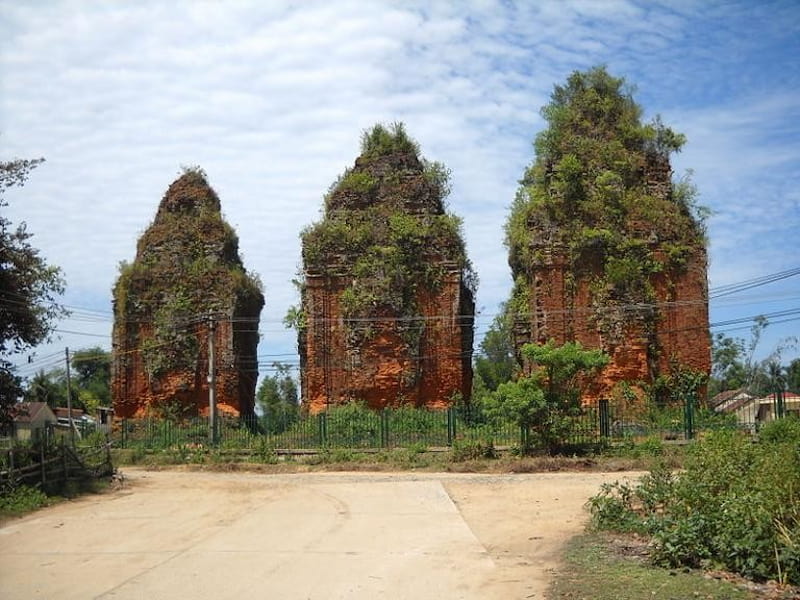
Chau Sa Citadel is a monument that has existed for thousands of years, preserving the golden imprint of the ancient Champa kingdom. With its moss-covered walls and ancient foundations, it evokes a prosperous and bustling era. This is an incredibly attractive destination for those who love to explore ancient cultures.
Chau Sa Citadel was built by the Cham people over 1000 years ago. Here, visitors will be immersed in a tranquil space, listening to the whispers of history carried by the vast winds.
Chau Sa Citadel is located in Tinh Chau commune, Son Tinh district, Quang Ngai province (now part of Tinh Khe commune, Quang Ngai city). This site is about 7km from the city center to the Northeast, making it easy to find and travel to.
The citadel is adjacent to the Tra Khuc River to the south, the Ham Giang River to the north, large Dinh fields to the east, and the Ban Co mountain range to the west. This place not only holds historical value but also possesses a peaceful and poetic landscape.
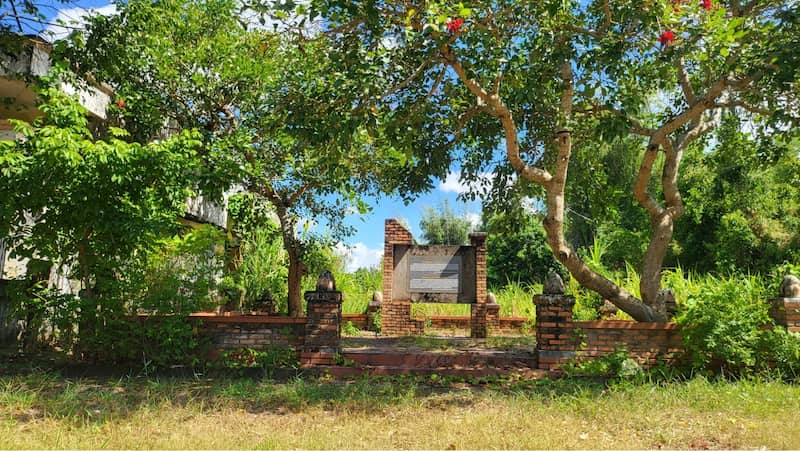
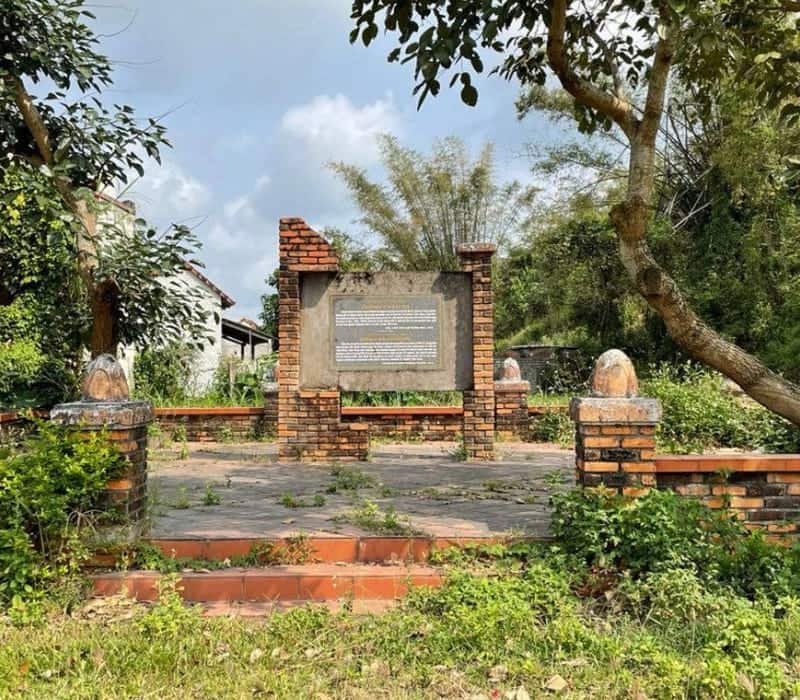
Chau Sa Citadel is now part of Tinh Khe, Quang Ngai
>>> See more: Vung Chua Dao Yen - A Divine Spot Amidst Nature
To reach Chau Sa Citadel from the center of Quang Ngai city, visitors will follow National Highway 1A to the north. When reaching the Hoang Sa intersection, turn right and continue straight to the roundabout. At this point, take the third exit onto National Highway 24B, then turn left and continue for about 300m to reach the Tinh Chau Cultural Post Office.
From here, visitors continue for another 300m and then turn left to arrive at Chau Sa Citadel. The route is easy to navigate, with wide and comfortable concrete roads.
The roads to the citadel are spacious and convenient for travel
>>> See more: Hang Son Doong - Explore the Majestic Natural Cave
Chau Sa Citadel was built in 903, during the reign of King Sri Indravarman II of the Champa kingdom. It was not only an important defensive structure but also served as an administrative, economic, and political center of Champa in the late 9th to early 10th centuries. This place was a bustling trading hub with neighboring countries.
The citadel was built in 903
From the early 15th century, Chau Sa Citadel witnessed many historical upheavals. In 1402, the Ho dynasty conquered this land, and by 1407, the Champa king could regain Amaravati after the Ming dynasty attacked the Ho dynasty. By 1971, King Le Thanh Tong completely conquered Amaravati and renamed it Quang Nam province. At this time, the citadel was used as a fortress under the Le dynasty.
In 1924, a French architect discovered valuable relics and brought them to display at the Cham Sculpture Museum in Da Nang. By 1975, this place was known as Son Thanh Fort, serving military purposes for the Saigon government. Since 1975, it has become a densely populated residential area with agricultural land.
By 1975, the citadel had residential areas and agricultural land
Chau Sa Citadel is known as a captivating tourist destination for those who love to explore culture and ancient architecture. Here, you will discover many interesting things such as:
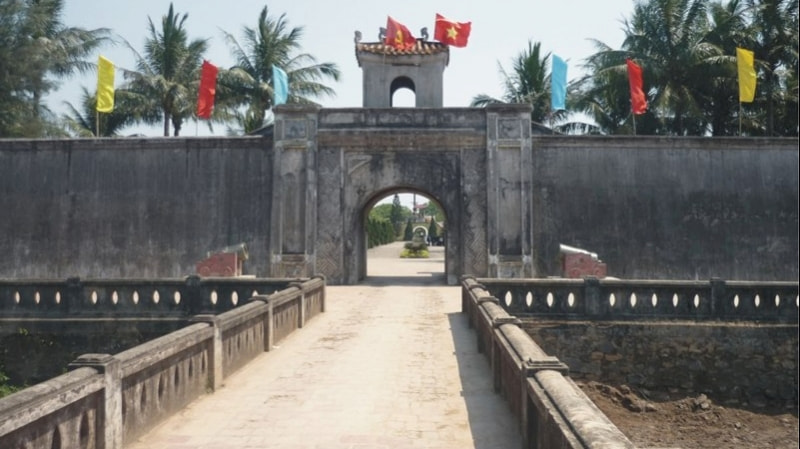
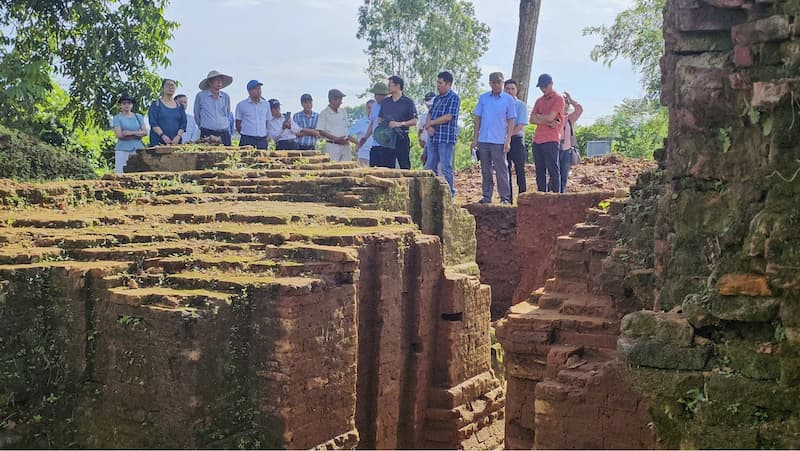
Chau Sa Citadel attracts a large number of visitors thanks to its remarkably distinctive defensive architecture, harmoniously combining human craftsmanship with nature. The inner citadel has a relatively square shape measuring about 580x540m, with walls rising from 4 to 6m, a base width of 20 to 25m, and a top width of 5 to 8m. Surrounding the main citadel is a water moat with a width of 20 to 25m, serving as both a natural defense line and enhancing its solidity and grandeur.
Chau Sa Citadel has distinctive defensive architecture
The citadel has 5 entrances evenly arranged in 5 directions: North, East, South, West, and Southwest, reflecting its strategic nature. Notably, the southern side is reinforced meticulously, regarded as the main gate opening to the Tra Khuc River, facilitating trade and defense. The two citadel arms are likened to crab claws connecting the citadel with the river, acting as an outstretched arm for protection and supply.
The citadel has 5 entrances evenly arranged in different directions
The outer citadel is cleverly designed, making full use of the natural terrain with hills, ponds, and waterways. The western and eastern sides of the citadel are securely reinforced, the northern side relies on the mountain's position, and the southern side opens to the Tra Khuc River. This ensures both security and ventilation, providing convenience for retreat or waterway trade.
The outer citadel is cleverly designed and fully utilizes the natural terrain
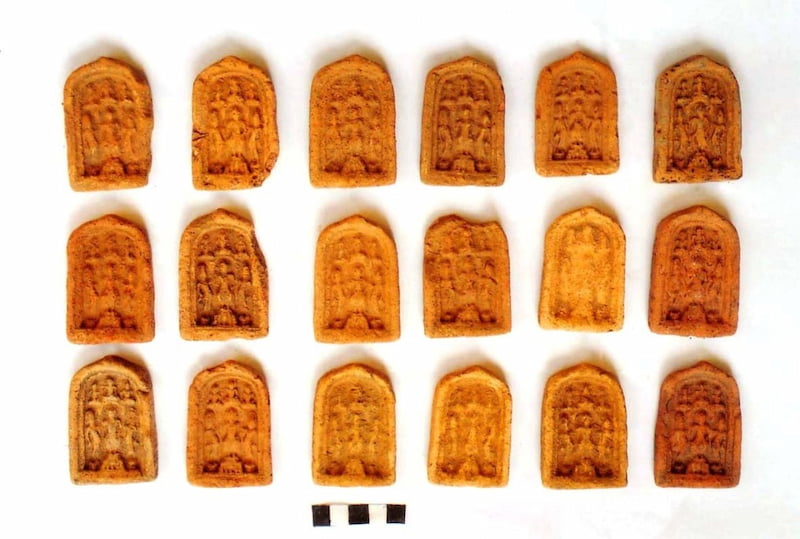
Excavations at Chau Sa Citadel have uncovered many valuable artifacts and relics, revealing glimpses of the cultural and religious life of the ancient Champa people. Notably, there is an ancient kiln dug deep into the hillside, with sturdy stone walls. This place specialized in producing terracotta pieces depicting Buddhist themes, a testament to the blending of beliefs and diverse cultures.
Many small items made from terracotta, measuring 6.5cm in height, 4cm in width, and 1cm in length, feature a pointed lotus shape with an image of Buddha inside. According to researchers, this was a bustling religious and trade center of ancient Champa.
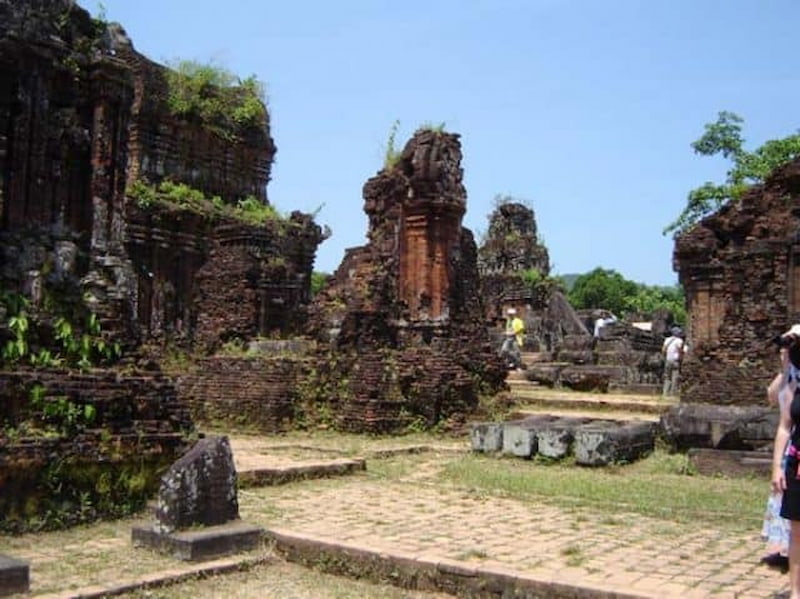
Many artifacts and relics have also been excavated here
Visiting Chau Sa Citadel in Quang Ngai, you will be captivated by an incredibly quiet and serene atmosphere. This place exudes a timeless beauty, with moss-covered earthen walls and winding moats reflecting the sky above. Surrounding fields of rice and swaying bamboo groves in the wind contribute to a picturesque and nostalgic landscape.
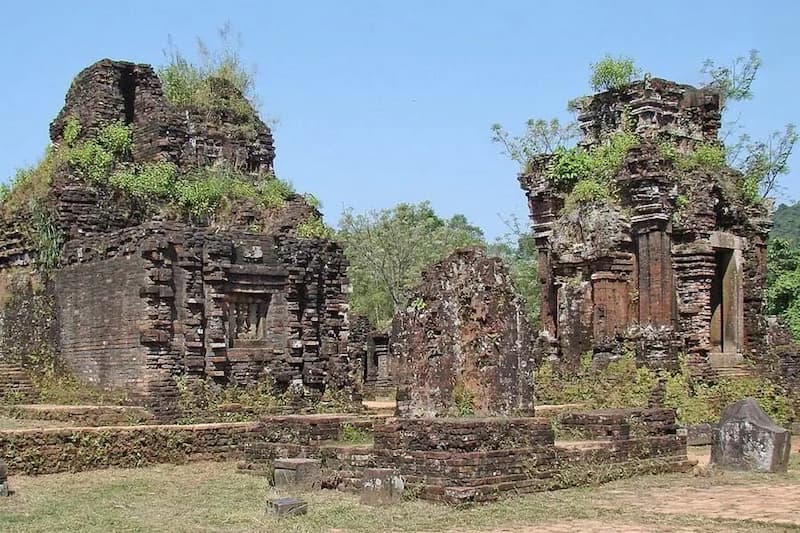
The interior space of the citadel is ancient and tranquil
Chau Sa Citadel is considered an ideal location for you to temporarily set aside the bustling, hurried pace of life to enjoy moments of peace and tranquility. You will walk on time-worn dirt paths and admire the moss-covered walls. Visitors will feel the wonderful fusion of nature with historical relics.
At the citadel, you will slow down with the gentle beauty of nature
Chau Sa Citadel attracts a large number of tourists every year. If you want to visit and experience, please note a few important things below.
With its unique architectural design, peaceful landscape, and convenient location, Chau Sa Citadel will surely leave visitors with unforgettable experiences. If you want to explore details about the ancient citadel when travel to Quang Nam, Quang Ngai, don't forget to contact nvktravel.com right away.
Fill out the form and we will contact you