Language
Currency
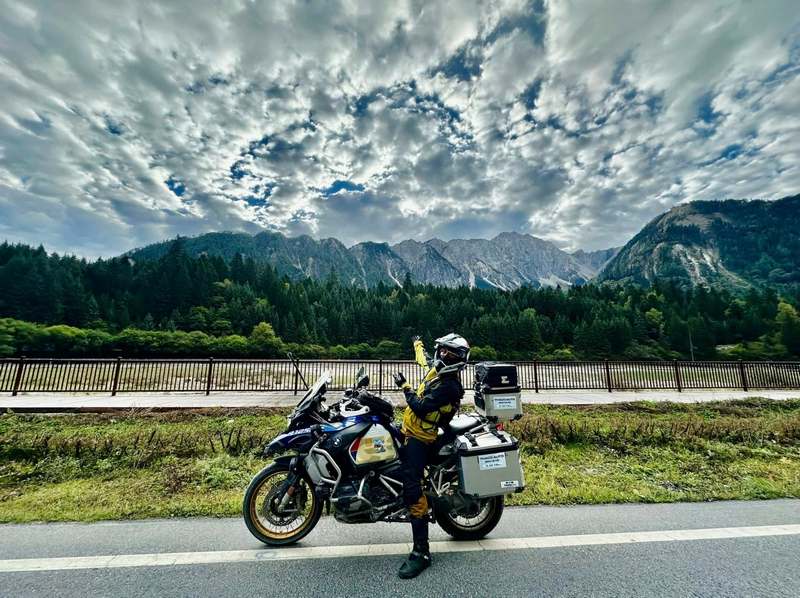
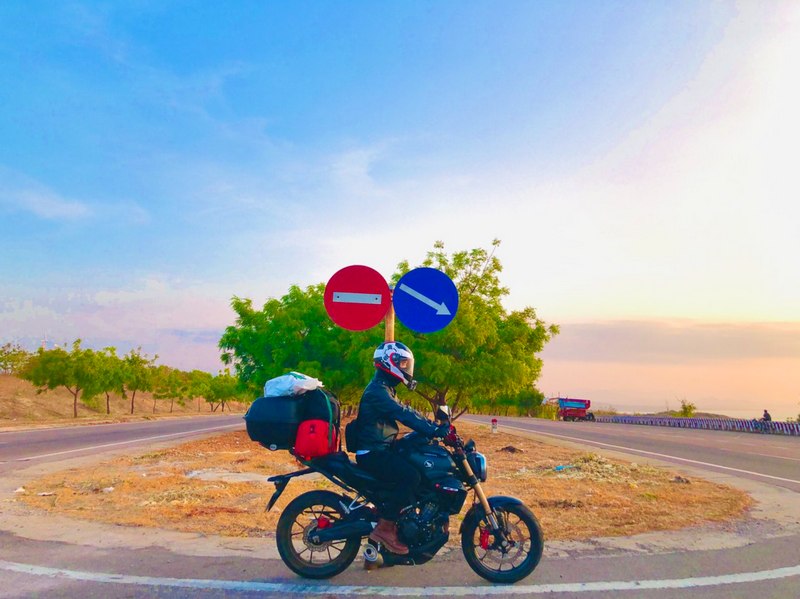
Traveling alone is a unique experience that brings a sense of freedom, self-discovery, and the opportunity to immerse yourself in nature and culture in new lands. However, to ensure a safe and memorable trip, you need to prepare thoroughly and have practical experiences. Below are detailed shares about experiences of solo travel, from preparation, journey, to handling unexpected situations.
Before starting your journey, planning is the most important factor. Determine your destination, time, route, and stops. Research the weather, local culture, and necessary conditions such as documents, visas (if traveling abroad). Use mapping apps like Google Maps, Maps.me, or travel forums to gather information about the route.
>>> See more: Experience Traveling to Nui Ba Den For First-Timers
When traveling alone, you will carry everything yourself, so your luggage needs to be minimal yet complete:
If riding a motorcycle, check everything thoroughly before hitting the road: tires, brakes, fuel, and oil. Bring a basic repair kit and a rescue phone number. If using public transport, book tickets early and check the schedule.
>>> See more: Experience Traveling to Chua Huong: Schedule, Accommodation, Dining
Traveling alone requires you to be self-reliant. Be honest with yourself about your health, driving ability, and long-distance travel experience. If you're a beginner, start with shorter, familiar routes before challenging yourself with longer trips.
Even if traveling alone, you still need to ensure someone knows your itinerary. Share your schedule with family or close friends. Use location apps like Find My Friends or share your location via WhatsApp, Zalo. Don't forget to check phone signal in the area you are going to, and carry a power bank.
When stopping, prioritize reputable guesthouses and homestays. Read reviews on platforms like Booking, Agoda, or ask locals. If camping, choose a safe area near residential areas or tourist spots, avoiding desolate places.
Meeting and talking with locals is an exciting part of traveling, but always be alert. Don't share too much personal information or detailed itineraries. If you feel unsafe, politely decline and leave.
Traveling alone provides an opportunity to connect with yourself. Take time to enjoy the scenery, feel the atmosphere, and record your thoughts and feelings in a journal or through photos. Don't rush to "check-in" everywhere; let the journey unfold naturally.
One of the wonderful things about traveling is exploring local culture. Try local specialties, participate in festivals, or talk to locals to learn more about the area you are discovering. However, ensure that the food is clean and safe.
Not everything will always go as planned. An unexpected rain, a blocked road, or a location not meeting expectations can happen. Keep a relaxed spirit and be ready to change your schedule if needed.
If your vehicle breaks down on the road, calmly seek help. Remember rescue phone numbers or find the nearest repair shop. In emergencies, call family or friends for support.
Getting lost is not uncommon when traveling. If there is no phone signal, use offline maps or ask locals. Always carry a compass or GPS device for assistance.
If you feel unwell, seek the nearest medical facility. Carrying a first aid kit and basic medications will help you handle minor issues like cuts or headaches. If traveling in remote areas, ensure you know the location of the nearest health station.
Traveling alone is not only a journey to explore the outside world but also an opportunity to understand yourself better. You will learn how to solve problems independently, face fears, and appreciate the small moments in life. Each trip is a story, and you will become a stronger version of yourself.
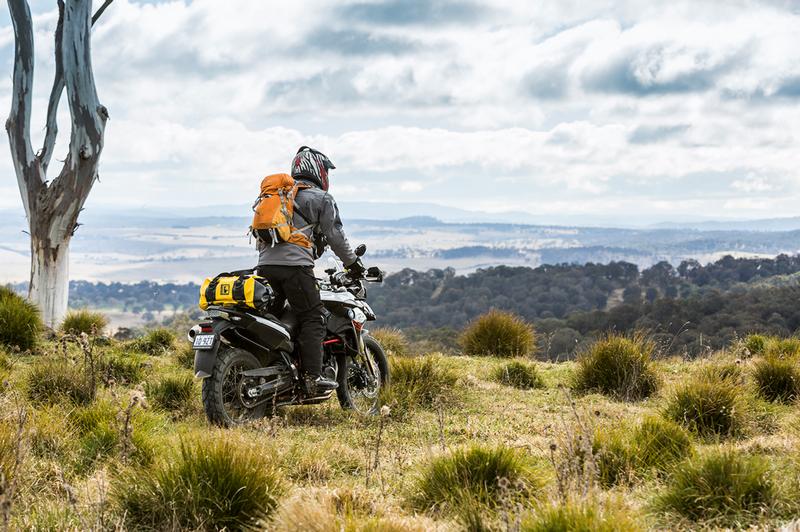
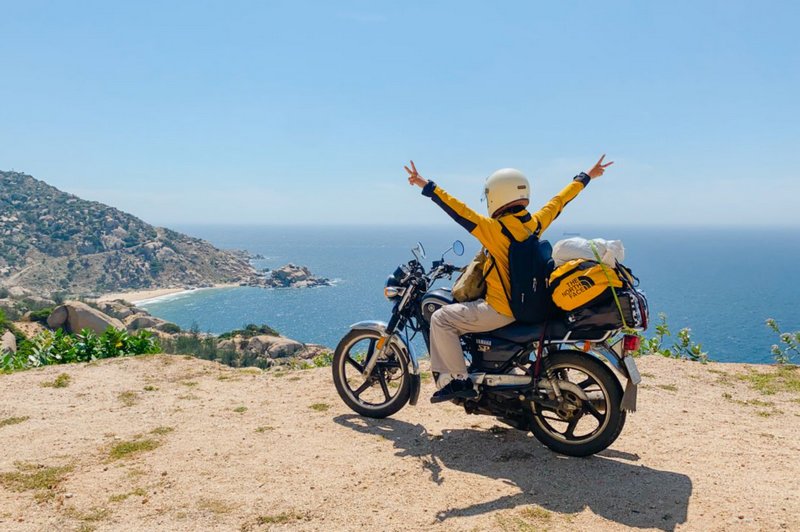
When traveling alone, you will deeply appreciate the beauty of nature. The winding roads through the mountains and forests, the sunsets by the sea, or the sound of the wind blowing through the fields will become unforgettable memories.
Traveling solo provides an absolute sense of freedom, but it also comes with responsibility to yourself. You will learn to make quick decisions, manage your time, and take care of yourself in every situation.
When traveling alone, you will realize the value of your loved ones back home. Short conversations with strangers on the road or help from a local will make you appreciate human connections more.
>>> Choose a domestic tour now to enjoy a meaningful vacation with family and friends!
Traveling solo is a challenging yet incredibly meaningful journey. With thorough preparation, an open spirit, and a bit of courage, you will have unforgettable experiences. Start with short trips, listen to yourself, and let the journey guide you. NVK Travel wishes you safe, enjoyable, and inspiring solo travels!
Fill out the form and we will contact you