Huong Pagoda is not only a place of worship but also a symbol of ecological and cultural tourism. With its system of caves, streams, and majestic mountains, it has been recognized by UNESCO as a World Cultural Heritage site. Every year, especially during the festival season, tourists flock here to pray for peace, enjoy the scenery, and experience traditional activities. According to statistics from reputable travel sources, the number of visitors to Huong Pagoda increases significantly at the beginning of spring, but you can visit year-round to avoid the crowds. Let's explore the experience of visiting Huong Pagoda through the following article.
The ideal time to visit Huong Pagoda
When planning a trip to Huong Pagoda, choosing the right time is the most important factor. The climate here is cool year-round, but each season offers a different experience.
Experiences from many tourists visiting Huong Pagoda
Festival season (from January to March of the lunar calendar): This is the peak time, starting from the 6th day of the first lunar month until the end of March. The Huong Pagoda Festival attracts a large number of Buddhists and tourists with activities such as boat rowing, singing Chau Van, singing cheo, and offering prayers. March in the lunar calendar is especially beautiful with the bright red flowers of the cotton tree lining the Yen Stream, creating a picturesque natural scene. However, at this time, the roads are crowded, and service prices may be higher, so you need to prepare mentally for the hustle and bustle.
Autumn (from September to December): Ideal for those who love tranquility. At this time, the weather is cool, and water lilies and tea flowers bloom abundantly along the Yen Stream, providing a peaceful atmosphere. This is the perfect time for photography and relaxation, avoiding the crowds of the festival season.
Other seasons: You can visit year-round, but avoid summer (from May to August) as the heat and heavy rain can make climbing difficult. According to experiences from many tourists visiting Huong Pagoda, if you want to enjoy the scenery, choose autumn or late spring for the best experience.
In summary, depending on your purpose (spiritual or relaxation), you can flexibly choose the time. Check the lunar calendar before departure to avoid peak days.
From Hanoi, getting to Huong Pagoda is quite easy with various means of transport. The distance is about 60km, and the travel time is 1-2 hours depending on the mode of transport.
Motorbike: Suitable for small groups or individuals who enjoy freedom. Route: Nguyen Trai – Thanh Xuan – Ha Dong – Ba La Junction – Van Dinh – Huong Pagoda (about 59km). Travel time is about 1.5 hours. Note to bring a helmet, water, and check the bike before going. This is a budget option, costing about 100,000-200,000 VND for round-trip fuel.
Personal car or taxi: Safe and comfortable, especially for families with children or the elderly. The route goes through Phap Van Expressway – Cau Gie – Dong Van Intersection – National Road 38 – Cho Dau – Huong Pagoda (62km, about 1 hour). Taxi fare from Hanoi is about 800,000-1,200,000 VND round-trip. Some reputable taxi companies: Mai Linh Taxi, Vinasun Taxi, or Grab.
Bus: The most economical option, suitable for backpackers. Popular routes:
Route 103: My Dinh – Huong Pagoda (9,000 VND/person).
Route 75: Yen Nghia – Huong Son (25,000 VND/person).
Route 215: Giap Bat – Huong Son (12,000 VND/person). The bus stops at Huong Son bus station, then you transfer to a boat to enter the pagoda area.
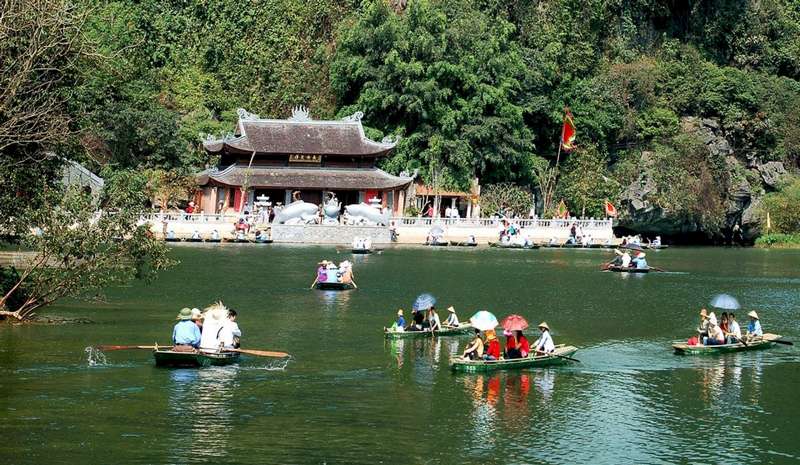
From Duc dock (Yen Stream), you must take a boat for about 4km to reach the main points. Boat fare: 50,000 VND/person for the Huong Tich route (round-trip), 35,000 VND for the Tuyet Son/Long Van route. If traveling in a group, rent a private boat for more comfort.
Based on experiences from various travel sources, the itinerary can be flexible from 1-2 days. Here are some common suggestions.
The cost for visiting on day 1 is 300,000-500,000 VND/person
1-day itinerary (suitable for busy tourists)
Early morning (6-8am): Depart from Hanoi, arrive at Duc dock. Buy boat tickets and start the journey on Yen Stream, enjoying the scenery of mountains and reed fields.
Late morning (9-11am): Stop at Trinh Temple to offer prayers (the first stop according to custom). Continue to Thien Tru Pagoda – the largest pagoda in the area, admiring the ancient architecture from the 15th century.
Noon (11am-1pm): Rest and have lunch with local specialties such as che cu mai or banh cu mai at roadside stalls.
Afternoon (1-4pm): Climb the mountain or take a cable car to Huong Tich Cave (Nam Thien First Cave) – a highlight with beautiful stalactites and the statue of the Bodhisattva Avalokiteshvara. After that, visit Giai Oan Pagoda (2.5km away) with its sacred Thanh Tri well.
Evening (after 5pm): Return to Hanoi by boat and car.
Estimated total cost: 300,000-500,000 VND/person (including boat tickets and meals).
2-day itinerary (in-depth exploration)
Day 1: Follow the 1-day itinerary but focus on the Huong Tich route. Spend the night at a homestay or hotel near the area (price 500,000-1,000,000 VND/room).
Day 2: Explore the Long Van or Tuyet Son route: Visit Long Van Pagoda, Long Van Cave with deep caves and peaceful landscapes. End with shopping for souvenirs like forest peaches or chestnuts.
This itinerary is suitable for those who want to combine spiritual and ecological tourism.
Notable attractions at Huong Pagoda
Huong Pagoda includes more than 20 pagodas and caves divided into main areas:
Yen Stream and Duc dock: A romantic starting point, especially during the cotton flower season.
Trinh Temple: The first place to offer prayers, symbolizing good luck.
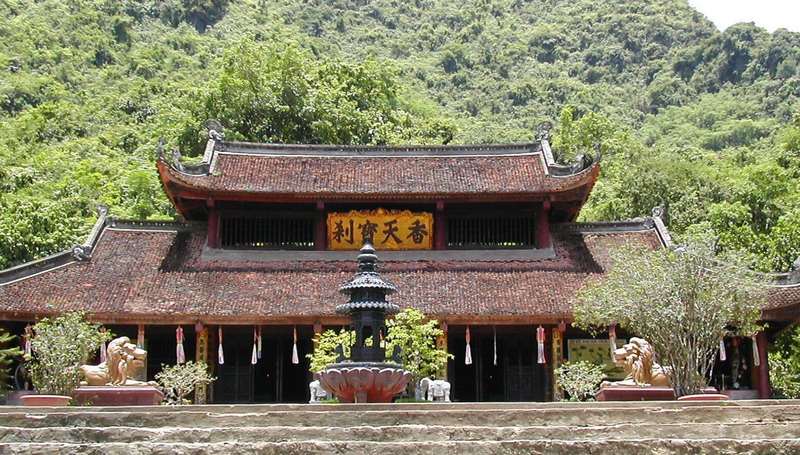
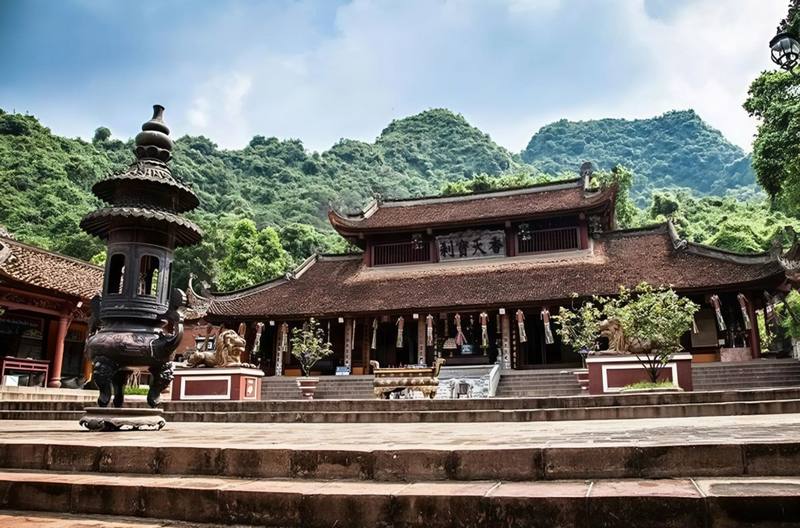
Thien Tru Pagoda: Ancient architecture with a bell tower, drum tower, and majestic Buddha statue.
Huong Tich Cave: Famous cave with a dragon head-shaped entrance and strange stalactites.
Giai Oan Pagoda: Related to the legend of the Bodhisattva, featuring a sacred water well.
Long Van and Tuyet Son area: Less crowded, with Bao Dai Pagoda, Tuyet Son Cave, and a 300-year-old magnolia tree.
Each site holds historical and cultural value, making the trip to Huong Pagoda meaningful.
What to eat and where to stay when visiting Huong Pagoda
Dining and accommodation tips here.
Cuisine: Enjoy specialties like stir-fried rau sang, wild apricots, cu mai cake, cu mai cereal cake, lam cake, roasted chestnuts. Prices range from 50,000-100,000 VND/dish. Avoid buying in crowded areas to prevent being "overcharged". Bring snacks if hiking.
Accommodation: If staying overnight, choose a homestay or hotel in My Duc like Huong Son Hotel (prices 400,000-800,000 VND/room) or a resort near Hanoi. Book in advance through travel apps for better rates.
Important notes when visiting Chua Huong to ensure a complete trip.
Based on experiences from visitors to Chua Huong:
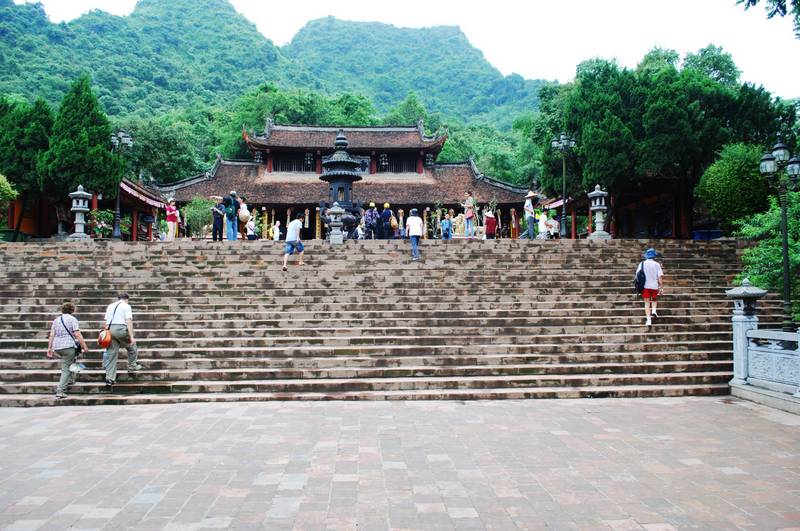
Clothing: Dress modestly and respectfully (long pants, long-sleeve shirts). Wear sports shoes as you will need to hike (about 120 steps to Huong Tich cave).
Health and safety: Prepare medications and drinking water. Use the cable car if you're not used to hiking (price 100,000 VND/ride). Avoid going alone at night.
Avoid "overcharging": Ask for prices before purchasing, choose official services. Maintain environmental hygiene, do not litter.
Documents: Bring your ID card, driving license if driving yourself.
Weather: Check the forecast to avoid heavy rain.
Additionally, if visiting during the festival season, set off early to avoid traffic jams. Protect your personal belongings as the area can be crowded.
>>> Don't miss the opportunity to explore the North with an optimized itinerary and dedicated service!
Conclusion
Visiting Chua Huong not only helps you discover spiritual beauty but also brings unforgettable memories of traveling in Vietnam. With magnificent nature, rich culture, and reasonable costs, Chua Huong deserves to be a top destination. Plan today for a safe and meaningful trip. If you need more information, you can refer to reputable travel sources or book tours through travel companies like NVK Travel. Wishing you a wonderful journey!