Language
Currency
Japan, the land of cherry blossoms and serene temples, is a dream for free-spirited souls. Self-guided travel experience in Japan opens the door to explore vibrant Tokyo, ancient Kyoto, or snowy Hokkaido. The self-guided journey is a symphony of thorough preparation and intense emotions. This article will guide you through the ideal timing, preparation, transportation, accommodation, itinerary, and cuisine for a fulfilling trip.
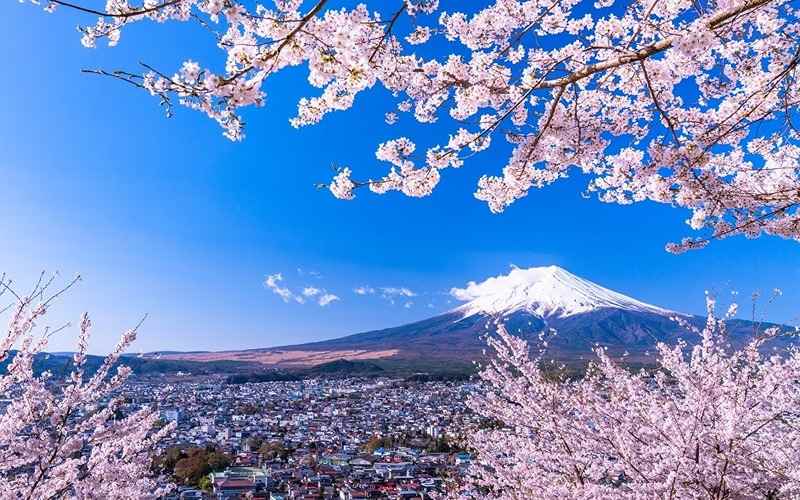
Japan is beautiful year-round, but choosing the right season makes your self-guided trip even more vibrant. Spring (March-April) is when cherry blossoms bloom, with temperatures of 10-20°C, ideal for strolling in Ueno Park or Osaka Castle. However, this is peak season, and flights and hotels are expensive.
Summer (June-August) is hot and humid, 25-35°C, suitable for fireworks festivals on the Sumida River or beach outings in Okinawa, but be prepared for the rainy season (June-July).
Autumn (September-November) is cool, 15-25°C, with red momiji leaves covering Kyoto and Nikko, making it a great choice for nature lovers.
Winter (December-February) is cold, 0-10°C, bringing white snow in Sapporo and warm onsen in Hakone, with lower costs and fewer crowds.
Self-guided travel experience in Japan recommends choosing spring or autumn for the most beautiful scenery, while winter is more budget-friendly, suitable for limited budgets. Check the festival calendar (such as hanami, Sapporo snow) to plan.
>>> See more: Travel Costs in Japan What Expenses to Prepare?
Self-guided travel experience in Japan recommends choosing spring
A self-guided trip requires careful preparation to avoid troubles. Here are some things to keep in mind:
A Japan visa requires a passport valid for more than 6 months, a 4.5x4.5cm photo, and documents such as itinerary, flight and hotel booking confirmations. The visa application is submitted at the Japanese consulate (Ho Chi Minh City or Hanoi), with a fee of about 650,000 VND, processed within 5-7 working days. Schedule an online appointment in advance, and check documents carefully to avoid omissions. A short-term visa (15 days) is sufficient for a self-guided trip.
Internet connectivity is crucial when traveling independently. Popular 4G SIMs like U-mobile, B-mobile (1-2GB/day, priced at 1.5-2 million VND/7 days) can be purchased at Narita, Kansai airports, or ordered in advance via the website. Free Wi-Fi is available at train stations and cafes, but it may not be stable. Check the SIM's data capacity and choose a suitable package for navigation, language translation, and photo posting.
Bring appropriate seasonal clothing: thick jackets and gloves for winter; light shirts and small umbrellas for summer. Comfortable sneakers for walking a lot in Tokyo and Kyoto. A power bank, adapter (Japan uses type A plugs, 100V), and a fabric bag for shopping. Keep your passport and copies of important documents in a small waterproof bag.
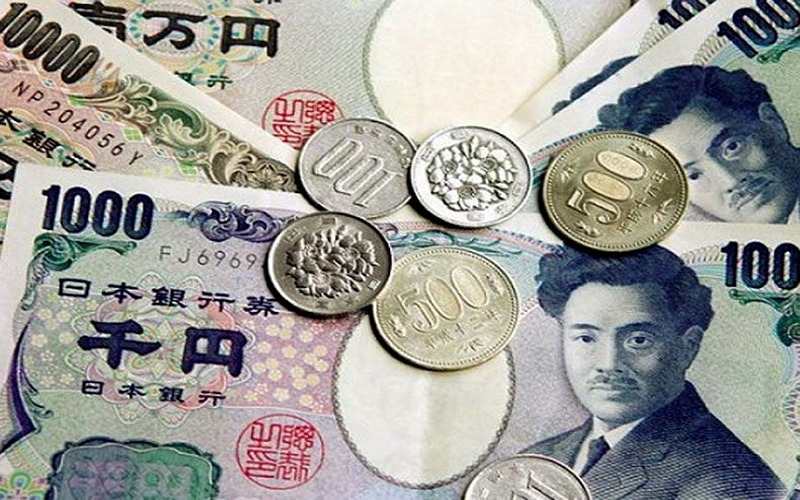
Japanese Yen (JPY) is the main currency, 1 JPY ~ 170 VND (as of May 2025). Exchange money at banks in Vietnam or Japanese airports (better rates). Credit cards are accepted in major cities, but carry 50,000-100,000 yen in cash for small shops, temples, and shrines. 7-Eleven ATMs are convenient for cash withdrawals, with a fee of about 200 yen per transaction.
>>> See more: Which Season is the Best for Traveling to Japan? In the Land of Cherry Blossoms
Exchange Japanese Yen at banks in Vietnam or Japanese airports
The self-guided travel experience in Japan begins with getting to Japan. From Vietnam, direct flights from Ho Chi Minh City or Hanoi to Tokyo (Narita/Haneda), Osaka (Kansai), or Sapporo (New Chitose) take 5-6 hours. Airlines like Vietnam Airlines, Japan Airlines, ANA offer round-trip tickets for 15-25 million VND, depending on the season. Book tickets 2-3 months in advance and hunt for deals on the airline's website to save.
From the airport, trains are a convenient option: Narita Express to central Tokyo (3000 yen, 1 hour), Kansai Airport Express to Osaka (1200 yen, 45 minutes). Buy a JR Pass (50,000 yen/7 days) if traveling to multiple cities by shinkansen. Airport buses (1000-2000 yen) are cheaper and suitable for heavy luggage. Download the Hyperdia app for accurate train and bus schedules.
Accommodation greatly affects the self-guided experience. In Tokyo, budget hotels like APA Hotel Asakusa (1.5-2.5 million VND/night) are close to train stations, making transportation easy. Kyoto has traditional ryokans like Ryokan Yachiyo (3-5 million VND/night), offering an ancient atmosphere. In Osaka, Airbnb in the Namba area (1-2 million VND/night) is near Dotonbori market, suitable for groups.
Hostels like K’s House (600,000-1 million VND/night) in Tokyo and Kyoto are budget-friendly, with communal spaces for socializing. Book in advance through Booking, Agoda, and check reviews about Wi-Fi and location. During peak seasons (spring, autumn), book early 2-3 months ahead. Capsule hotels (800,000 VND/night) offer a unique experience but have small spaces, suitable for those with little luggage.
The 7-day itinerary below is a suggestion for a self-guided travel experience in Japan, balancing scenery, culture, and cuisine:
The itinerary is flexible, adjusting by season: add hanami in spring, onsen in winter. Use Google Maps and Navitime for easy navigation.
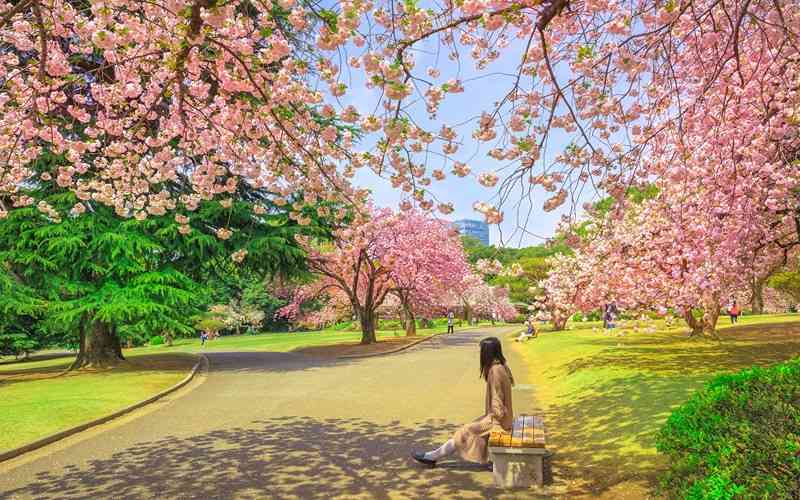
Stroll through Shinjuku Gyoen Park to admire the scenery
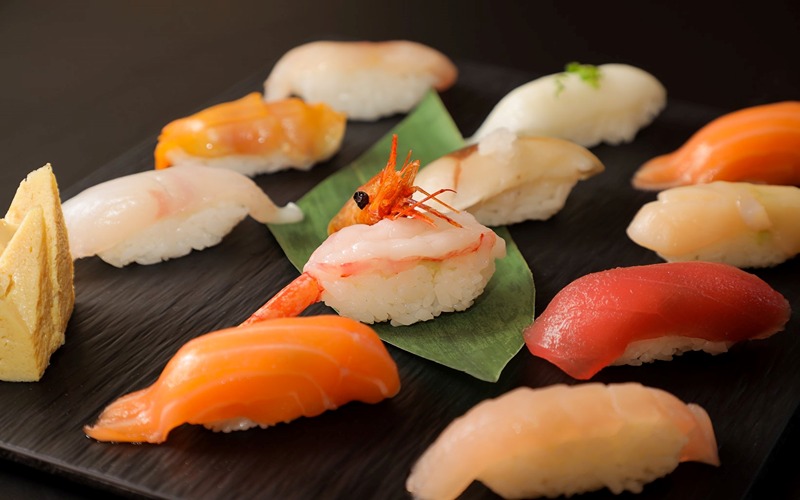
Japanese cuisine is the soul of the self-guided trip. In Tokyo, enjoy fresh sushi at Sushi Zanmai (Tsukiji, 1000-3000 yen/portion), rich ramen at Ichiran (Shibuya, 800 yen/bowl). Kyoto is famous for kaiseki (traditional meal) at Kikunoi (10,000-20,000 yen), or yudofu (boiled tofu) at Okutan (1500 yen). In Osaka, takoyaki at Wanaka Sennichimae (500 yen/portion) and okonomiyaki at Mizuno (1000 yen) are must-tries.
Casual eateries in Dotonbori, Ameyoko range from 500-1500 yen/dish, with excellent quality. Convenience stores like 7-Eleven, Lawson sell bento boxes (300-600 yen), sushi (500 yen), convenient for quick meals. Drink matcha green tea (400 yen) or hot sake (600 yen) to experience Japanese flavors. Ask for prices in busy areas and bring a water bottle to save.
Enjoy irresistible fresh sushi
Experience of traveling to Japan independently is a journey of freedom, where cherry blossoms, temples, and bowls of ramen tell the story of the Land of the Rising Sun. From choosing the season, preparation, to itinerary and cuisine, each step is a brushstroke in the painting of Japan. For perfect planning, visit nvktravel.com for detailed suggestions. Pack your backpack and let Japan unveil a wonderful world!
Fill out the form and we will contact you