Language
Currency
Japan, the land of vibrant cherry blossoms and ancient temples, is a captivating destination year-round. When is the best season to travel to Japan? is a question that many people ponder, as each season has its own unique beauty. From the pink hues of spring to the white snow of winter, this journey is a symphony of nature and culture. This article will guide you through the weather characteristics and the most beautiful seasons, ensuring your trip becomes an unforgettable memory.
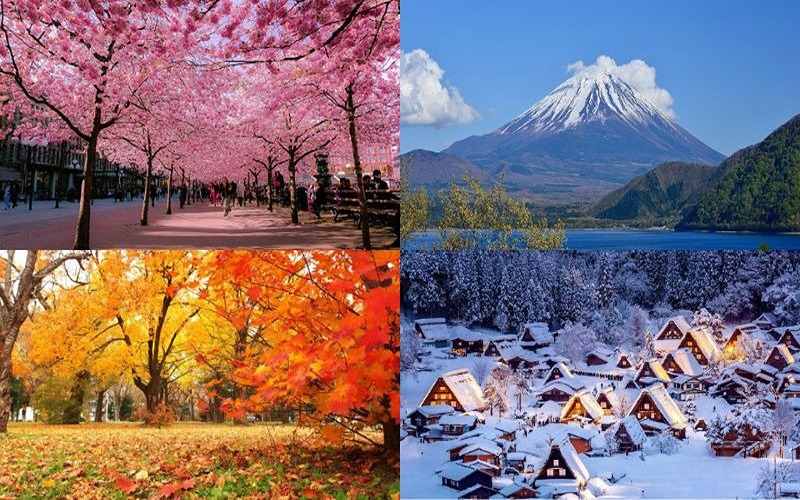
Japan, located in the temperate zone of East Asia, experiences four distinct seasons, each with its own weather characteristics that shape the travel experience in Japan throughout the year. Spring (March-May) is warm, with temperatures ranging from 10-20°C, featuring light rains interspersed with gentle sunshine. Summer (June-August) is hot and humid, with temperatures between 25-35°C, and the rainy season (tsuyu) lasts from mid-June to July, especially in Honshu and Kyushu. Autumn (September-November) is cool, with temperatures of 15-25°C, dry weather, and vibrant red leaves. Winter (December-February) is cold, with temperatures ranging from 0-10°C, heavy snowfall in Hokkaido, Tohoku, and mountainous regions, while Tokyo and Osaka are chilly and dry.
The climate varies by region: Hokkaido is colder, Kyushu is warm year-round, while Tokyo has all four distinct seasons. Humidity ranges from 60-80%, peaking in summer. To determine when is the best season to travel to Japan, understanding the weather helps choose the right season, from cherry blossom viewing to skiing, ensuring a fulfilling trip.
>>> See more: 5-Day 4-Night Japan Tour - Detailed Itinerary for the Tour
When is the best season to travel to Japan to fully enjoy?
Japan in each season is a painting, from the blooming spring flowers to the vibrant autumn leaves, making the choice of the ideal time depend on personal preferences. There is no single answer to when is the best season to travel to Japan, as each season has its own charm; however, during March, April, May, October, and November, the number of tourists is significantly higher. Below is a detailed look at each season, from festivals, scenery to cuisine, to find the perfect time for your journey.
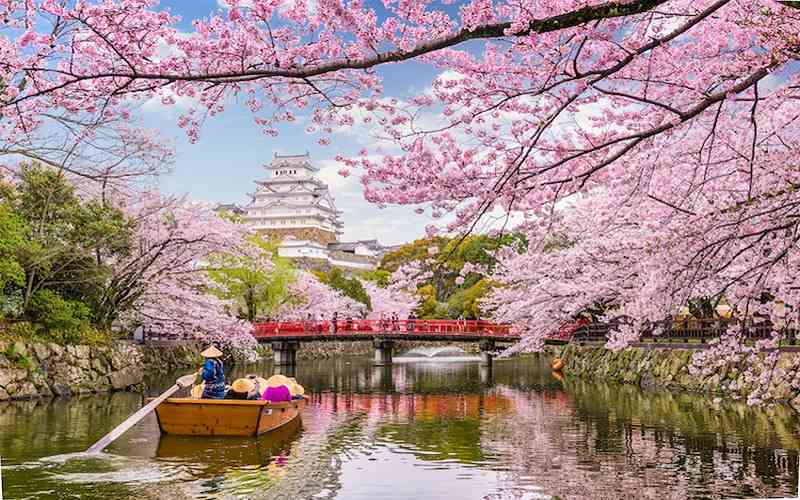
Spring in Japan is the song of cherry blossoms, painting parks, rivers, and temples in pink hues. With temperatures of 10-20°C, the weather is mild, perfect for strolling under the cherry blossoms in Shinjuku Gyoen Park (Tokyo) or Himeji Castle (Hyogo). The hanami festival (flower viewing) takes place everywhere, with locals spreading green mats, sipping sake, and enjoying sakura mochi (300 yen).
The spring market at Nakamise (Asakusa) is bustling, selling paper fans and kokeshi dolls (500-3000 yen). The spring atmosphere is cheerful, but this is peak season, with flight tickets (20-30 million VND round trip) and hotel prices (2-4 million VND/night) being high. Book early and avoid the Golden Week (end of April) to save costs. Spring is the ideal season for those who love flowers, festivals, and want to capture picturesque scenery.
>>> See more: Should I travel to Japan or South Korea? to fully enjoy?
Spring in Japan is mild and pleasant, perfect for strolling under the cherry blossoms
Summer brings vibrant energy to Japan, despite being hot and humid with temperatures of 25-35°C and the rainy season (tsuyu) from June to mid-July. After the rain, the sun shines brightly, ideal for beach outings in Kamakura or exploring the bamboo forest in Arashiyama (Kyoto). The fireworks festival (hanabi) on the Sumida River (Tokyo) or Lake Biwa (Kyoto) is spectacular, with colorful yukata and takoyaki stalls (500 yen).
Summer cuisine cools off the heat, from cold hiyashi chuka noodles (800 yen) to soft matcha ice cream (400 yen). Flight prices (18-25 million VND) and hotel rates (1.5-3 million VND/night) are lower than in spring, but umbrellas and handheld fans are necessary. Summer is suitable for those who love the beach, festivals, and don’t mind high humidity, providing a youthful and vibrant experience.
Summer brings vibrant energy to Japan
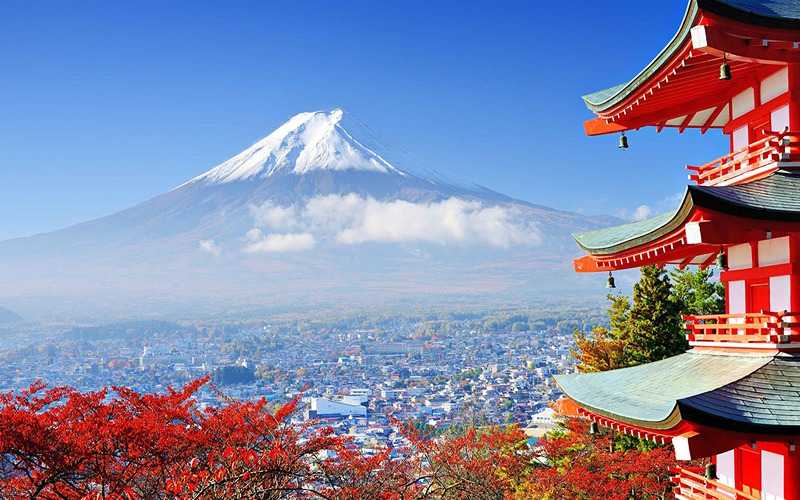
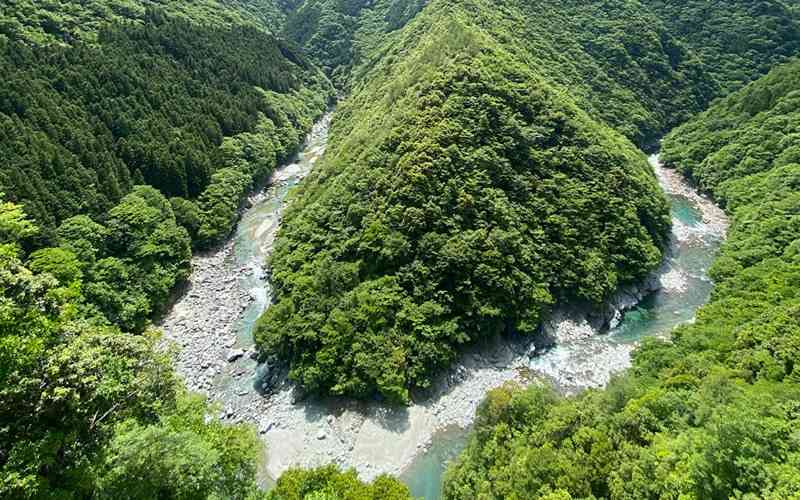
Autumn is a vibrant tapestry of red leaves (momiji), covering Tofuku-ji Temple (Kyoto), Rikugien Park (Tokyo), and Mount Takao. With temperatures of 15-25°C, the weather is dry, perfect for walking through the Iya Valley (Shikoku) or Lake Kawaguchi near Mount Fuji. The red leaf festival in Nikko features tea ceremonies, with wagashi shaped like maple leaves (400 yen).
Autumn cuisine is rich with grilled sanma (saury) (1000 yen), matsutake mushrooms, and freshly brewed sake. Autumn is peak season, and flight tickets (20-28 million VND) and hotel prices (2-3.5 million VND/night) need to be booked in advance. The cool atmosphere and romantic scenery make autumn a wonderful season for photographers and nature lovers, providing a profound experience.
Autumn is dry, ideal for walking through the Iya Valley
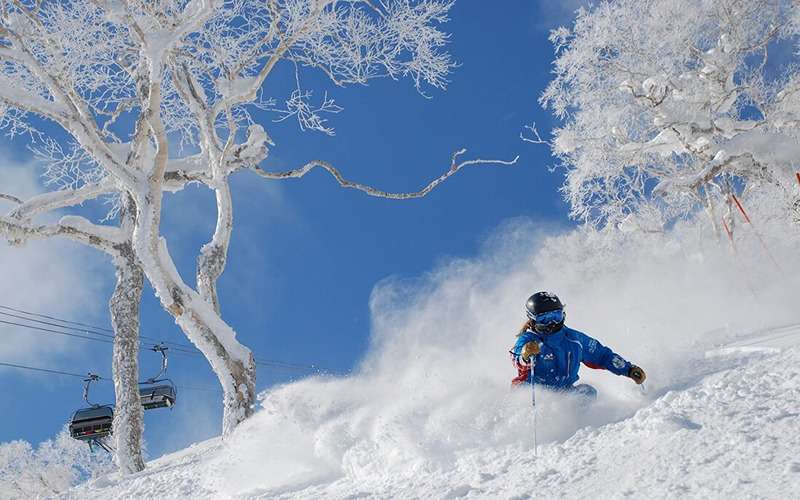
Winter transforms Japan into a fairy tale land, with white snow covering Hokkaido, the Japanese Alps, and Shirakawa-go village. With temperatures of 0-10°C, Tokyo and Osaka are cold and dry, perfect for strolling through the brightly lit Dotonbori or soaking in an onsen in Hakone. The Sapporo Snow Festival (early February) featuring giant snow sculptures is a highlight, alongside Christmas markets in Yokohama.
Winter cuisine is warm with nabe hot pot (2000 yen), hot oden (600 yen), and grilled mochi. Winter is the low season, with the cheapest flight tickets (15-22 million VND) and hotel rates (1-2.5 million VND/night). Some shops close from December 31 to January 2, but temples like Senso-ji (Tokyo) remain open. Winter is ideal for those who love snow, onsen, and want to save costs, providing a peaceful New Year atmosphere.
Winter transforms Japan into a fairy tale land, with white snow covering Hokkaido
When is the best season to travel to Japan depends on each person's heart: spring with cherry blossoms, summer with vibrant fireworks, autumn with romantic red leaves, or winter with picturesque white snow. Each season tells a story, from the serene temples of Kyoto to the lively nightlife of Tokyo.
With the weather, beautiful seasons, and practical tips, the trip will become an unforgettable love song. To plan the perfect trip to Japan, visit nvktravel.com for detailed suggestions. Pack your backpack and let Japan tell the captivating story of its four seasons!
Fill out the form and we will contact you