Language
Currency
Hoi An, the precious gem of Central Vietnam, is where the moss-covered ancient town blends with the tranquil Thu Bon River, shimmering lanterns, and friendly smiles. The question when is the best time to travel to Hoi An always stirs the hearts of those who cherish this land. With its characteristic tropical monsoon climate, Hoi An has its own unique charm in every season, but February stands out as the perfect time, when the weather is pleasant, the ancient town is vibrant, and the spring atmosphere is in full bloom. This article will guide you through an overview of the weather, analyze each season, identify the best month, and suggest a detailed itinerary to make your exploration of Hoi An an unforgettable memory.
Hoi An, located in Quang Nam province, lies in the coastal region of Central Vietnam, featuring a tropical monsoon climate with two distinct seasons: the dry season (from January to July) and the rainy season (from August to December). The average temperature ranges from 25-30°C, but seasonal weather changes greatly affect the experience of exploring when is the best time to travel to Hoi An.
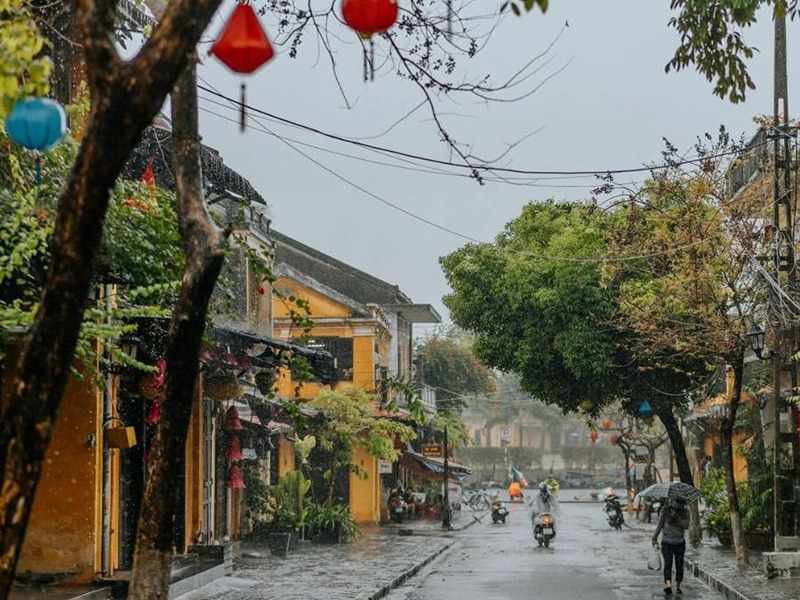
The dry season brings warm sunshine, clear skies, ideal for strolling through the ancient town and swimming at the beach. The rainy season experiences heavy rains, sometimes flooding, but creates a poetic atmosphere with lanterns reflecting on the river. Understanding the climate helps you choose the right time to fully enjoy Hoi An.
Understanding the climate helps you choose the right time to fully enjoy Hoi An
>>> See more: Cost of traveling to Da Nang Hoi An on a Super Budget for You!
Hoi An is influenced by the climate of Central Vietnam, with high temperatures in summer (up to 35°C) and cooler temperatures in winter (20-25°C). High humidity year-round, especially during the rainy season, creates a muggy feeling. Storms and floods can occur from September to November, causing some areas of the ancient town to be flooded. This diversity of weather is what makes it unique, helping you consider when is the best time to travel to Hoi An to have a journey that suits your preferences.
The dry season (January-July) is when Hoi An dons its radiant beauty, with blue skies, warm sunshine, and pleasant air. Temperatures range from 25-32°C, with little rain, making it perfect for walking along the ancient streets, visiting the Japanese Covered Bridge, or relaxing at Cua Dai or An Bang beaches.
Festivals like the first full moon of the year and the Mid-Autumn Festival occur during this season, adding vibrancy to the ancient town with lanterns and floating flower lights. When considering when is the best time to travel to Hoi An, the dry season is the ideal time to explore, especially from February to April, when the weather is cool and the scenery of the ancient town reaches its peak.
The rainy season (August-December) brings a poetic atmosphere to Hoi An, with rain showers adding to the ancient town's charm. Temperatures range from 22-28°C, with rain typically arriving in the afternoon or evening, leaving the mornings fresh. The Thu Bon River rises, reflecting the lantern light, creating a magical scene.
However, October and November carry the risk of storms and flooding, making travel difficult. The rainy season still attracts those who love romance, but it's necessary to prepare raincoats and non-slip shoes to enjoy traveling in Hoi An in this tranquil atmosphere.
February is the best time to explore when is the best time to travel to Hoi An, thanks to the ideal weather, vibrant spring atmosphere, and the ancient town bursting with life. Below is an analysis of each season, with reasons why February stands out, along with insights into other seasons to help you understand the beauty of Hoi An year-round.
February is the peak of Hoi An's beauty, providing a clear answer to when is the best time to travel to Hoi An. Temperatures range from 20-26°C, with clear skies, little rain, and pleasant weather throughout the day, making it perfect for walking to explore the ancient town, the Japanese Covered Bridge, or Thanh Ha pottery village. The spring atmosphere is vibrant with Tet Nguyen Dan (usually falling in February), when the ancient town is decorated with red lanterns, apricot flowers, peach blossoms, and lively festivals like the first full moon of the year.
Taking a boat ride on the Hoai River and releasing flower lights under the moonlight is an experience that brings peace to the heart. March and April continue to be pleasant, with flamboyant flowers blooming, but February stands out more due to the Tet atmosphere and perfect weather. This is the ideal season for photography, enjoying cuisine, and immersing yourself in Hoi An's culture.
February is the peak of Hoi An's beauty
>>> See more: Traveling to Hoi An for 2 Days 1 Night - Exploring the Dreamy Ancient Town
Summer brings bright golden sunshine to Hoi An, with temperatures ranging from 28-35°C, dry weather, perfect for swimming at Cua Dai or An Bang beaches or exploring Cu Lao Cham. In the evening, the ancient town is cool, with shimmering lanterns, ideal for strolling and enjoying cao lau. However, the midday heat can be exhausting, so it's necessary to wear hats and sunscreen. June and July feature the fishing festival, rich in coastal culture. Summer is a good choice for traveling to Hoi An, but it cannot compare to February due to the high temperatures and lack of spring festival atmosphere.
Autumn in Hoi An brings a romantic atmosphere with light rain, temperatures ranging from 22-28°C. The ancient town is covered in a layer of ancient moss, and the Thu Bon River sparkles with lantern light. August and September have less rain, suitable for visiting Tra Que vegetable village and Kim Bong carpentry village. October is the peak of rainfall, with risks of storms and flooding, making some areas of the ancient town difficult to navigate. Autumn is suitable for those who love a quiet atmosphere, but it is not the ideal time for exploring Hoi An due to unstable weather.
Autumn in Hoi An brings a romantic atmosphere with light rain
Winter in Hoi An is chilly, with temperatures ranging from 20-25°C, often accompanied by light rain. The ancient town has a solemn beauty, with misty alleys and bright red lanterns. November and December can see heavy rain, but January has more stable weather, close to Tet, bringing a lively atmosphere. Although not as ideal as February, winter still attracts visitors with cozy cafes and the tranquil atmosphere of the ancient town, suitable for those who want to experience traveling to Hoi An in peace.
To make your exploration of when is the best time to travel to Hoi An even more complete, especially in February, here are two detailed itineraries for 2 days 1 night and 3 days 2 nights, maximizing the beauty of the ancient town and nearby attractions.
Day 1: Hoi An Ancient Town – Hoai River
Day 2: An Bang Beach – Tra Que Vegetable Village
Visit Tra Que vegetable village to experience being a farmer
Day 1: Ancient Town – Kim Bong Carpentry Village
Day 2: Cu Lao Cham – Cua Dai Beach
Day 3: Tra Que Vegetable Village – Conclusion
The best time to travel to Hoi An has a clear answer: February, when the weather is cool, the spring atmosphere is vibrant with lanterns, flower lights, and festivals. Although summer brings beach sunshine, autumn is romantic, and winter is serene, February stands out with the perfect combination of weather, culture, and the beauty of the ancient town. With a detailed itinerary, you can easily explore the Japanese Covered Bridge, Hoai River, Cu Lao Cham, and enjoy the local cuisine. Please contact nvktravel to plan right away to travel to Hoi An in February – where the ancient town tells love stories that will linger in your heart!
Fill out the form and we will contact you