Language
Currency
Ho Citadel is always an ideal stop for those who want to explore the depth of culture and history of Thanh. With its unique architecture and a history spanning over 600 years, this place offers an experience that is both solemn and captivating. Let's explore the interesting things around this monument with NVK Travel for an unforgettable trip.
Ho Citadel was built in 1397, originally called Tay Do Citadel, constructed by the powerful figure Ho Quy Ly under the orders of King Tran Nhan Tong. The construction began in the Spring of the Year of the Ox, marking an important turning point in Vietnamese history.
The purpose of building the citadel was to move the capital from Thang Long to Thanh Hoa, in order to increase power and prepare for the overthrow of the Tran dynasty. By 1400, Ho Quy Ly named the nation Dai Ngu, transforming Ho Citadel into a new center of power. This is also the reason that turned this place into a magnificent capital with a significant mark in Vietnamese history.
Ho Citadel is considered a magnificent capital of the Ho dynasty, a testament to the talent and power of Ho Quy Ly.
>>> See more: Sam Son Beach Thanh Hoa: Detailed Experience for You
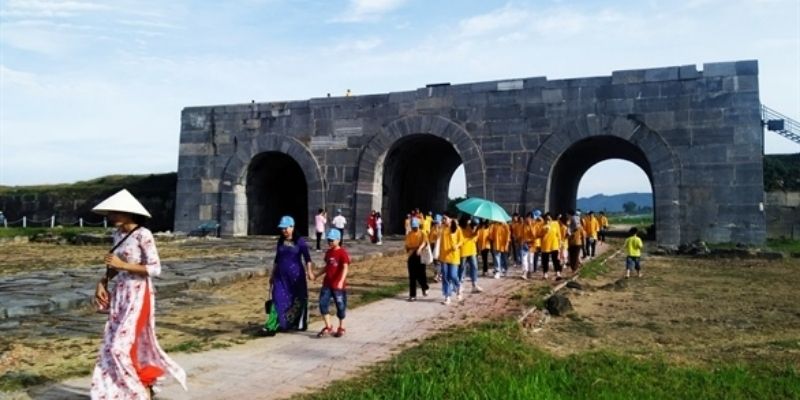
Ho Citadel is located in Tay Do commune, Thanh Hoa province, about 140km from Hanoi. Previously, this place was the capital of Vietnam, now it has become a famous tourist destination attracting many visitors to explore and admire.
The monument was classified as a special national heritage site by the Ministry of Culture, Sports and Tourism in 1962. After 11 years of preparing the dossier, on June 27, 2011, UNESCO officially recognized Ho Citadel as a world cultural heritage. This place reflects the influence and human values in the history of the nation, while also depicting the values of a period in human history.
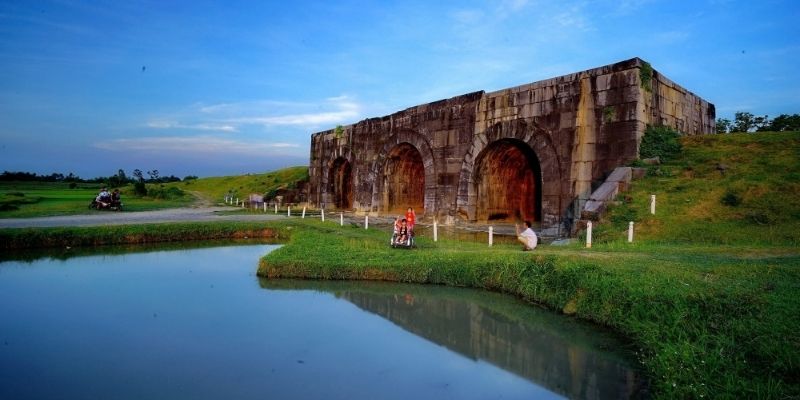
Ho Citadel in Tay Do commune, Thanh Hoa
>>> See more: Pocket Travel Experience Pu Luong From A - Z New 2025
Before planning a visit to Ho Citadel, everyone should be aware of the opening hours to facilitate easier travel.
Note: Information about opening hours and ticket prices is for reference only and may change over time. Visitors should contact the center directly for the most accurate information.
Information about visiting schedule and entrance ticket prices for Ho Citadel
After more than 600 years, Ho Citadel is not only a historical monument but also a symbol of unique cultural and architectural values. Here are some highlights about this monument:
This site was completed in just 3 months from January to March 1397. In the same year, the capital was relocated from Thang Long to Thanh Hoa, making this place a new center of power. This record short construction time clearly demonstrates the extraordinary strength and intelligence of the ancients.
Ho Citadel was completed in just 3 months in 1397
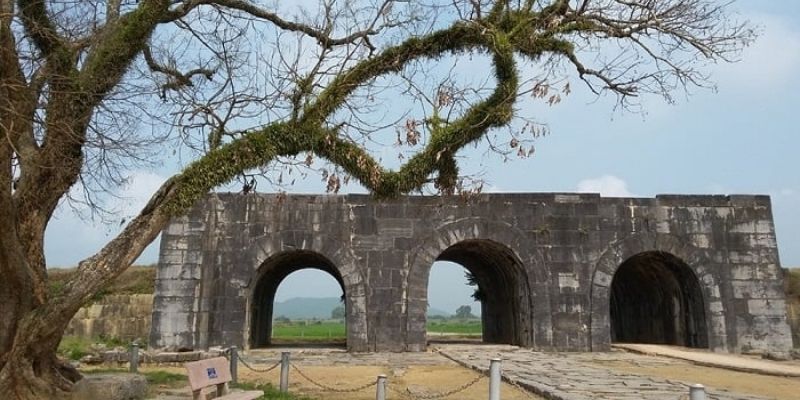
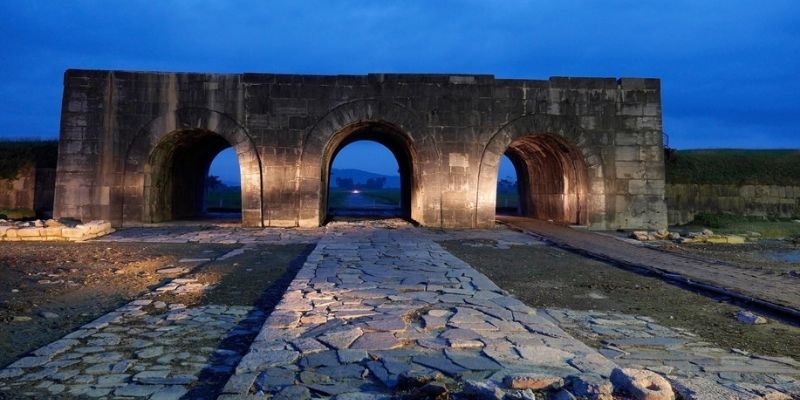
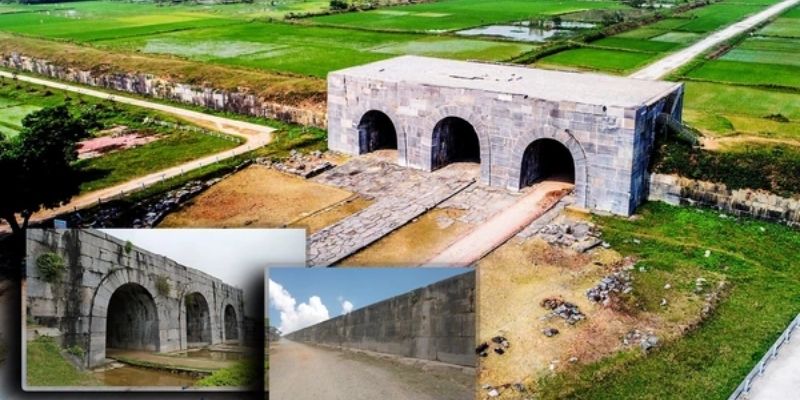
Ho Citadel stands out with its unique ancient stone architecture, with stone slabs weighing tons stacked tightly together without the need for binding agents. The four main gates and stone walls remain relatively intact over the centuries. This is a lasting symbol and pride of Vietnamese architecture.
The architecture of Ho Citadel is unique with stone slabs weighing tons stacked tightly together
The construction techniques of Ho Citadel still impress modern archaeologists. Large stone blocks were transported and assembled using primitive tools yet remain durable over time. This showcases the ingenuity and intellect of the ancients, creating a unique structure that is hard to compare.
The construction techniques of Ho Citadel amaze archaeologists
Visitors will be amazed by the uniqueness and scale of this monument. The site is built on a core area of 155ha, with the entire complex spanning up to 5000 ha, harmoniously combining topography, feng shui, and military elements. Let's explore the attractive features of the architecture of this site.
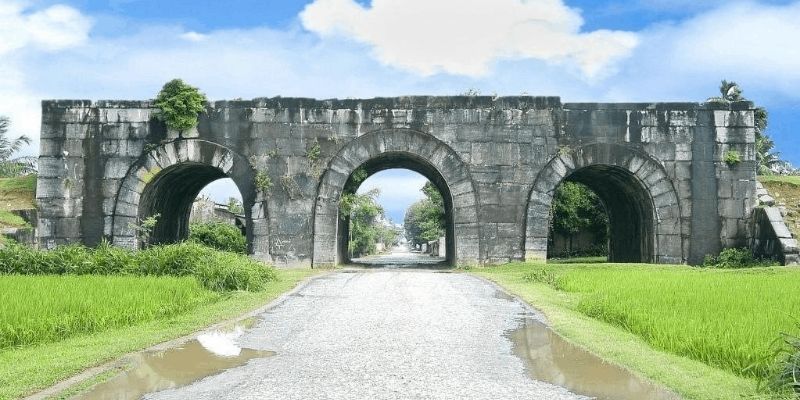
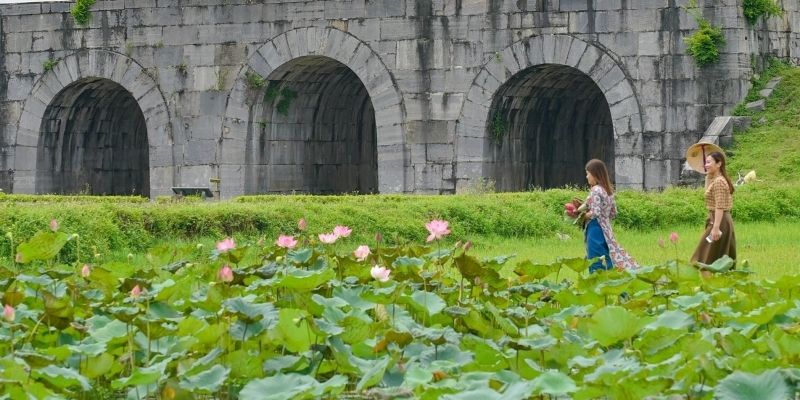
The Inner Citadel includes the city walls and four main gates: East, West, South, and North; among which the South gate is the main gate with 3 doors and the other gates have 1 door each. The gates are designed in an arch shape, with stone slabs on the arch carved into the shape of grapefruit segments, fitting tightly together to enhance load-bearing capacity. The entire city wall uses gigantic stone blocks, stacked without binding agents and remains intact after 600 years.
The Inner Citadel has four main gates: East, West, South, and North
The moat surrounds the four city walls, connecting to the Buoi River, with a width of over 52m and a depth of over 6.5m. The bottom of the moat is lined with rubble and stone fragments, providing stability for the structure. Although many sections of the moat have been filled in, traces still remain clear in the East, North, and half of the South.
The moat is over 52m wide, more than 6.5m deep, lined with large stones and gravel.
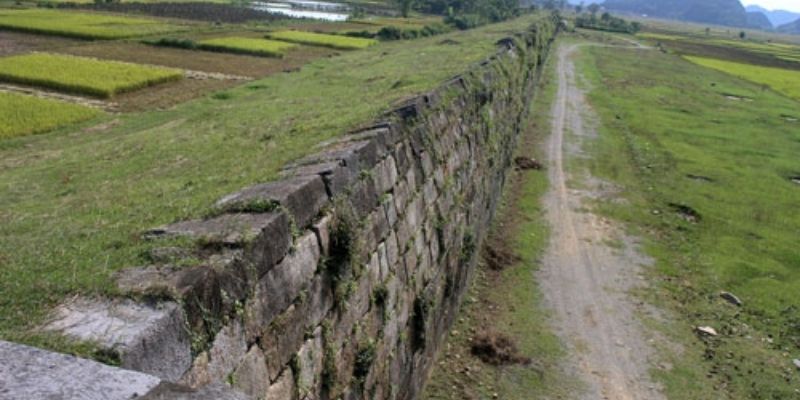
La Thanh is the earthen rampart surrounding the Imperial City, about 6m high with a trapezoidal cross-section, a steep outer face, and a gentle inner slope resembling stairs. Built with clay and stone, La Thanh follows the natural terrain connecting the mountains and the Buoi River - Ma River. The structure serves both military defense and flood protection for the entire imperial city.
La Thanh is about 6m high, built of clay and stone, serving both defense and flood protection for the entire imperial city.
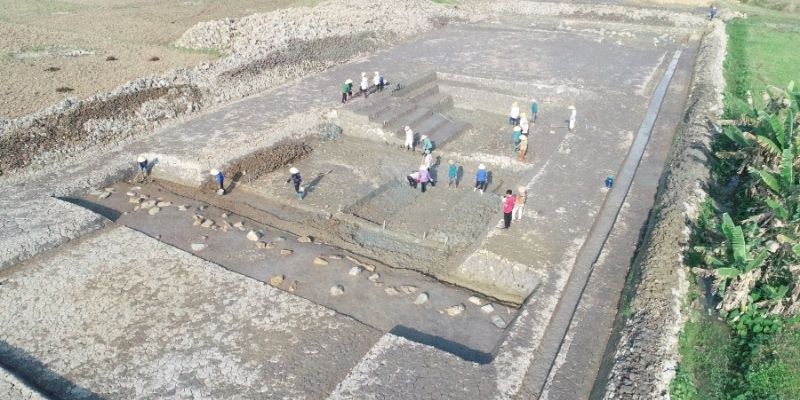
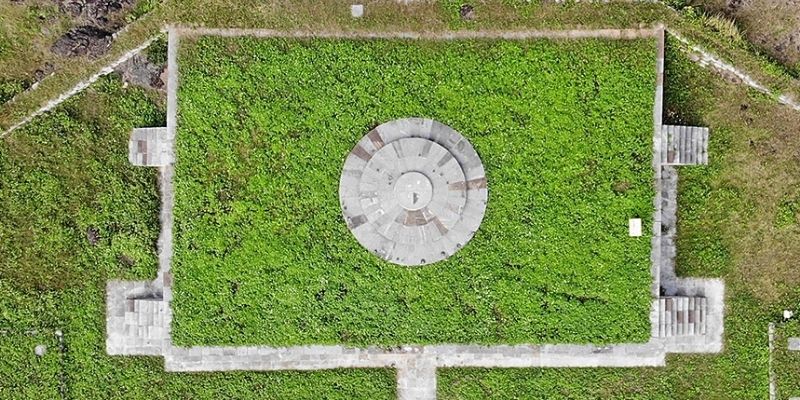
Nam Giao Altar was built in 1402 during the reign of King Ho Han Thuong, about 2.5km southeast of Thanh Nha Ho. This is where the court performed the Heaven Worship ceremony, praying for national peace and affirming the legitimacy of the dynasty. The entire altar is designed with multiple levels, and the sacred path paved with green stones creates a majestic and solemn appearance.
Nam Giao Altar, built in 1402, is where the court worships heaven, praying for national peace.
After visiting Thanh Nha Ho, tourists can continue to explore several nearby landmarks. These destinations offer historical and cultural value and boast beautiful landscapes.
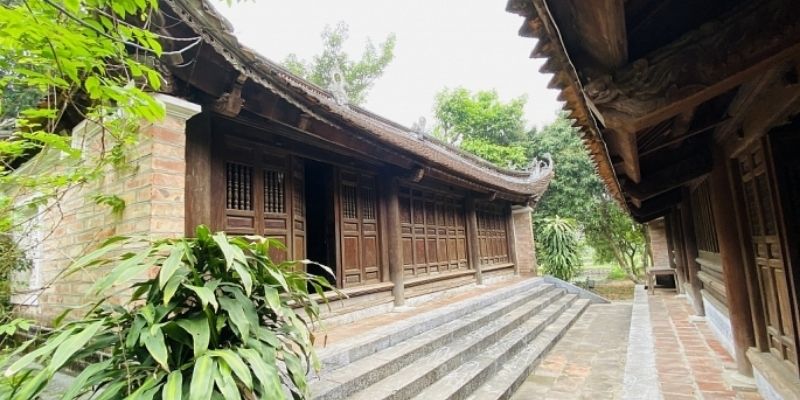
Dong Co Temple is only about 24 minutes away from Thanh Nha Ho and was classified as a national heritage site in 2001. The temple retains its unique architecture along with many relics and royal decrees from various dynasties. This is a popular destination attracting many visitors to enjoy the scenery and learn about history.
Dong Co Temple stands out with its unique ancient architecture and historical relics.
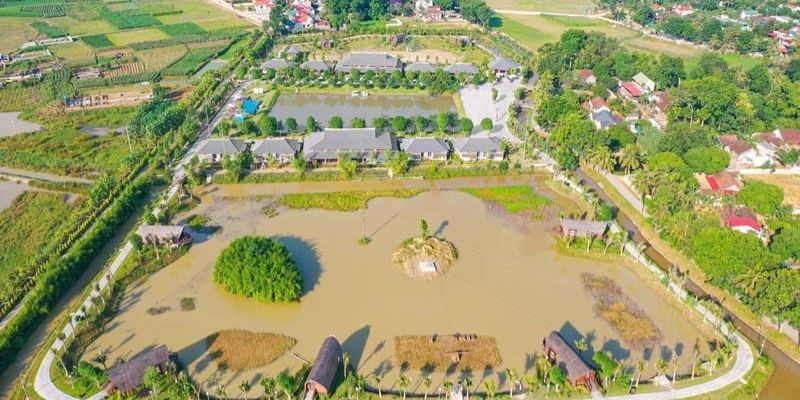
This site is just a 26-minute drive from Thanh Nha Ho and is one of the attractive highlights of Thanh Hoa tourism. Visitors can explore ancient houses, immerse themselves in the atmosphere of the old countryside, and admire the beautiful natural scenery. Additionally, the interesting folk games here also provide many unique cultural experiences.
Yen Trung Tourist Village offers an experience of immersing into the atmosphere of the old countryside.
Kim Son Scenic Area is about a 38-minute drive from Thanh Nha Ho, featuring majestic mountainous landscapes and fascinating dry caves. Visitors can visit a small temple nestled at the foot of the mountain, creating a peaceful atmosphere. Experiencing a journey on Au Stream to admire the picturesque mountains is an attractive activity that everyone should not miss.
Kim Son Scenic Area is notable for its majestic mountains and fascinating cave system.
To make the trip complete, everyone should keep in mind a few notes as follows:
Some notes when visiting Thanh Nha Ho
Thanh Nha Ho is not only a heritage site with unique architecture but also an ideal destination to explore the culture and history of Thanh. Every step here reveals a story about the glorious past of the Ho dynasty and the talents of the ancients.
If you are planning a Thanh Hoa trip, let NVK Travel accompany you and help provide a complete journey. Contact us today to not miss the opportunity to explore Thanh Nha Ho and the prominent landmarks around.
Fill out the form and we will contact you