Language
Currency
Phia Oac Mountain is one of the standout destinations in Nguyên Bình District, Cao Bang Province. Rising to nearly 2,000 meters, it impresses visitors with its cool climate, pristine forests, and the rugged mountain landscapes typical of Northeast Vietnam. Beyond being ideal for nature exploration, Phia Oac also holds significant value in terms of biodiversity, geology, culture, and history. For those seeking a retreat from urban life to enjoy misty peaks and the untouched beauty of Cao Bang, Phia Oac is a destination well worth considering.
Phia Oac Mountain is located within the Phia Oac – Phia Den National Park, in Nguyen Binh District, Cao Bang Province. This area lies about 70 km west of Cao Bang City and is characterized by high mountains, natural forests, valleys, and settlements of ethnic minority communities in the highlands.
Phia Oac is also known as Phja Oac, a spelling commonly found in local place-name references. It is one of the two major peaks that give the national park its name, Phia Oac – Phia Den.
The summit of Phia Oac reaches about 1,931 meters above sea level, making it one of the highest mountains in Cao Bang. Its elevation creates a distinct climate compared to lower regions, especially during periods of sharp temperature drops.
The charm of Phia Oac Mountain lies not only in its height. What draws many visitors here is the combination of highland climate, forest ecosystems, and landscapes that still retain their pristine beauty.
From elevated areas, travelers can admire mountain ranges stretching into the distance. On cloudy days, the scenery shifts constantly as mist and clouds cover the slopes.
An interesting experience when exploring Phia Oac is feeling the change in weather with altitude. While standing in a sunny spot, visitors may quickly encounter clouds or fog as they move higher.
This is why Phia Oac often appeals to nature lovers, mountain explorers, and those seeking a quiet retreat.
Phia Oac has its own charm in every season of the year. However, the choice of when to go depends on the experience you are looking for.
Spring brings fresh air and lush greenery to Phia Oac. This is also the time when many forest flowers appear along trails and high mountain areas. If you enjoy nature photography, spring is worth considering thanks to its colorful scenery and pleasant weather.
While the lowlands often experience high temperatures, Phia Oac’s mountain climate is much cooler. This is one reason why the Phia Oac – Phia Den area was once considered for development as a mountain resort. Summer is suitable for trips that combine sightseeing, relaxation, and nature exploration.
Autumn usually brings a crisp chill, with skies and mountain views that have their own unique character. If the weather is favorable, this is a good time for traveling, sightseeing, and exploring attractions around Nguyen Binh.
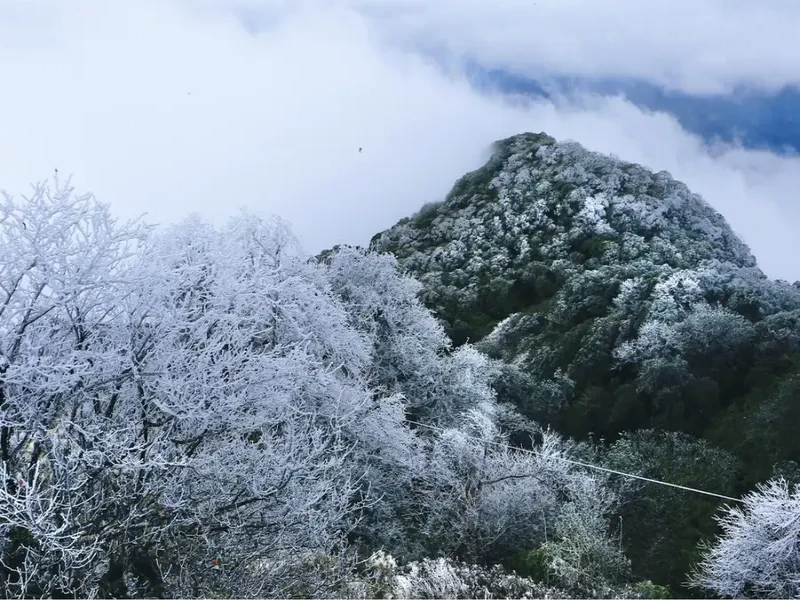
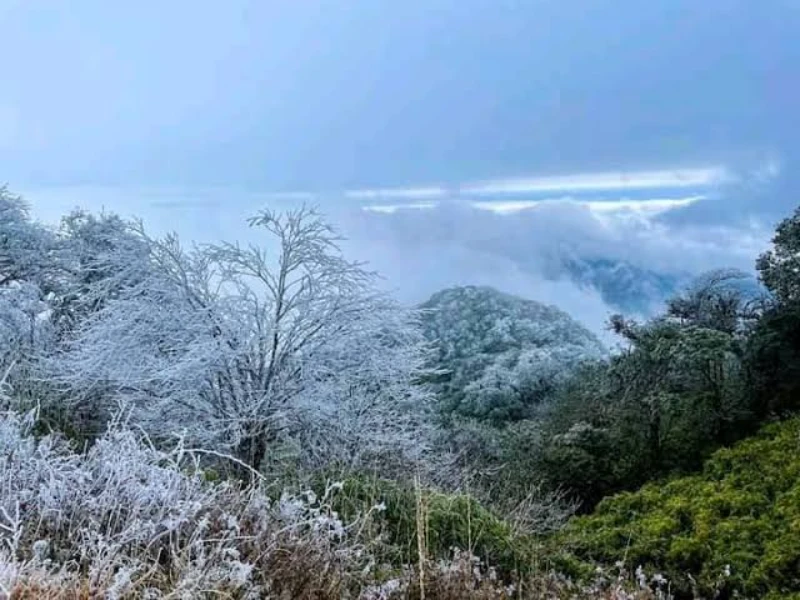
Winter may be the most striking season at Phia Oac. When temperatures drop, frost or rare weather phenomena can appear in the high mountains. During cold spells, visitors may witness trees covered in ice, creating a scene very different from the usual greenery. However, winter also requires more attention to weather conditions and safety when traveling.
>>> See also: Hua Ma Cave in Bac Kan – A mysterious beauty amidst the forests of Ba Be
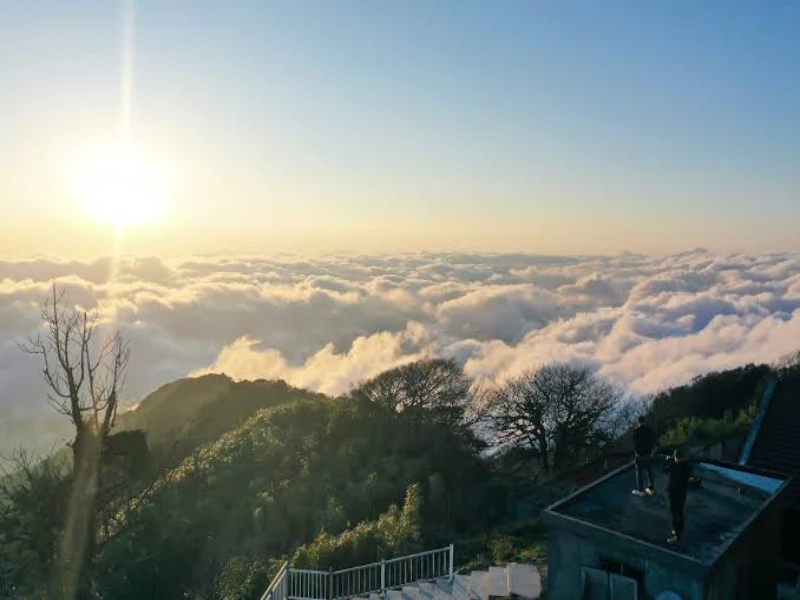
With an altitude of nearly 2,000 meters, Phia Oac is a favorite spot for cloud hunting. Not every trip guarantees a sea of clouds, as this depends on weather, temperature, humidity, and time of day. But if lucky, the sight of mountain ranges immersed in clouds will be unforgettable.
Phia Oac is ideal for those who enjoy observing nature. Instead of focusing only on check-in spots, visitors can spend time learning about the vegetation, terrain, and climate characteristics of the high mountains. This approach adds depth to the journey, especially for those interested in eco-tourism.
Mountain trails, forests, seas of clouds, and villages provide countless natural photo angles. Depending on the season, the scenery may shift from the green of forests to spring blossoms or the frosty beauty of winter.
One advantage of a trip to Phia Oac is that visitors do not necessarily have to focus on just one mountain peak. The Nguyen Binh area offers several destinations that can be combined in the same journey.
Phia Den is the other peak in the name of Phia Oac – Phia Den National Park. This area has a cool climate and landscapes suitable for relaxation and exploration.
Kolia Tea Hill is a popular stop often combined with trips to Phia Den. The tea hills on elevated terrain create a distinctive landscape. Visitors can tour the tea plantations, learn about production activities, and enjoy the fresh air.
Tinh Tuc was once an important tin mining area of Cao Bang. This site is linked to the history of mining and the economic development of the region. Including Tinh Tuc in the itinerary adds a perspective on the industrial history of Cao Bang’s mountains, beyond just natural scenery.
Around Phia Oac – Phia Den are communities of ethnic groups such as Tay, Nung, Dao, and Mong. Each has its own culture, clothing, customs, and way of life. This diversity is a key part of the appeal of highland tourism in Cao Bang.
Nature is only part of Phia Oac’s appeal. On the journey here, visitors also have the chance to learn about the lives of local people. Villages nestled among forests, fields, and hills create a distinctive cultural space. The Tay, Nung, Dao, and Mong ethnic groups contribute to the cultural diversity of the area.
Some traditional activities, ethnic costumes, handicrafts, and local products can become memorable experiences if organized through community-based tourism.
In particular, visitors should respect the living space of local residents when visiting villages. Asking permission before taking photos or exploring cultural activities is a way to show respect for the community.
>>> See also: An Ma Temple on Ba Be Lake – Peaceful beauty amidst the forests of Bac Kan
Mountain trips differ from ordinary sightseeing. Before heading to Phia Oac, visitors should prepare carefully regarding transportation, clothing, and weather. Mountain weather can change quickly. It is advisable to check forecasts and road conditions before departure. If heavy rain, thick fog, or poor traffic conditions occur, consider adjusting the itinerary.
Even in summer, temperatures in the high mountains can be much lower than in the lowlands. Bring jackets, shoes with good grip, and clothing suitable for outdoor activities. In winter, warm clothing is essential.
The national park is a protected area. Visitors should follow permitted routes, avoid opening new paths or entering restricted zones. Do not break branches, pick forest plants, hunt animals, or take natural species as souvenirs.
Mountain roads may have steep and winding sections. Drivers should check their vehicles before the trip, especially brakes, tires, and fuel. If unfamiliar with mountain roads, choose safe travel options instead of attempting to drive in poor weather conditions.
If you are planning to explore Cao Bang, you can include Phia Oac – Phia Den, Kolia Tea Hill, Tinh Tuc, and highland villages. Each destination offers a different perspective, making the journey not only about beautiful scenery but also about nature and local life.
Looking for a journey to explore Bac Kan and Cao Bang that fits your time, budget, and interests? Check out tours and itineraries in the Northeast region at NVK Travel for more options.
Fill out the form and we will contact you