Language
Currency
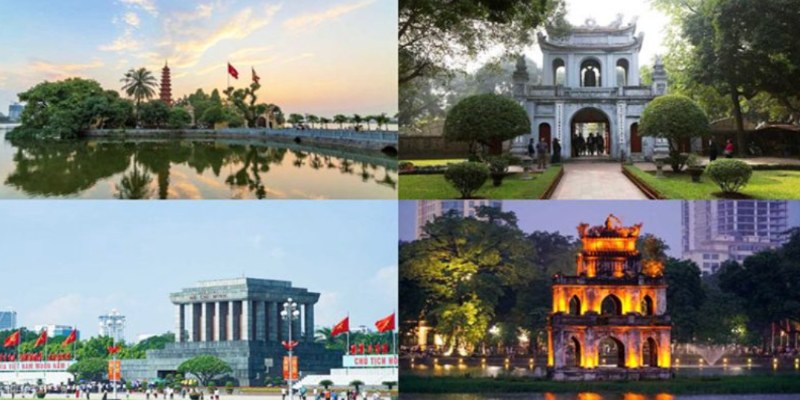
Hanoi, the heart of Vietnam, is a must-visit destination with a blend of ancient and modern charm. From long-standing historical sites to bustling urban spaces, the tourist attractions in Hanoi offer a rich experience for every traveler.NVK Travel suggests a list of prominent destinations for you to explore the capital thoroughly.
Below are the tourist attractions in Hanoi that are typical, loved for their cultural, historical value, and uniqueness:
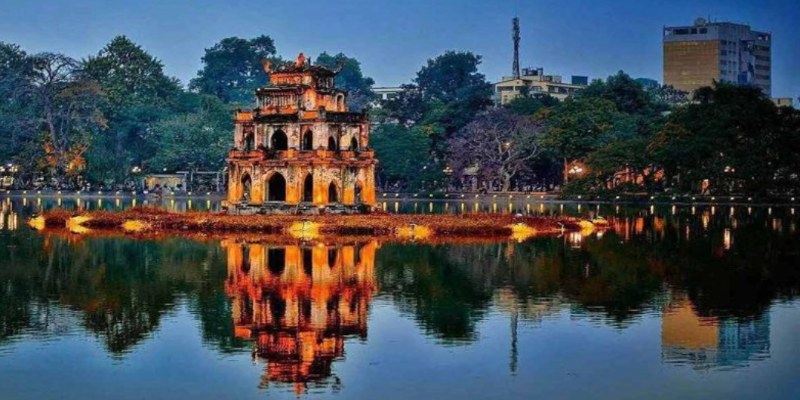
Ho Guom, or Hoan Kiem Lake, is located right in the center of Hoan Kiem District, Hanoi, and is an unmissable attraction when visiting the capital. It is not only a cultural-historical symbol but also an ideal place for walking, sightseeing, and learning about famous legends of Vietnam.
Ngoc Son Temple is situated on Ngoc Island, in the middle of the lake. To enter the temple, you will cross the striking red The Huc Bridge. The temple honors Van Xuong De Quan, Duc Thanh Tran Hung Dao, and the deities who protect literature and martial arts.
Ho Guom is the symbol of the capital
>>> See more: One Day Tour: Where to Go Near Hanoi: 12 Ideal Destinations
Experience: Stroll around the lake, visit the temple, take photos, or join the pedestrian streets of Hoan Kiem on weekends.
Transportation:
Practical information:
Suggested experience:
Note: Ho Guom is very crowded on holidays and weekends. It's best to visit early in the morning to avoid crowds and harsh sunlight.
Van Mieu – Quoc Tu Giam is a famous historical-cultural relic, regarded as "the first university" of Vietnam. The site is located at 58 Quoc Tu Giam, Dong Da District, Hanoi, about 2 km from Ho Guom.
The relic was built in 1070 during the reign of King Ly Thanh Tong to worship Confucius and the sages. In 1076, Quoc Tu Giam was established, training talents for the country throughout many dynasties.
Transportation:
Practical information:
Suggested experience:
Note: The campus is large, so prepare comfortable shoes. Maintain order and do not climb on the stone steles.
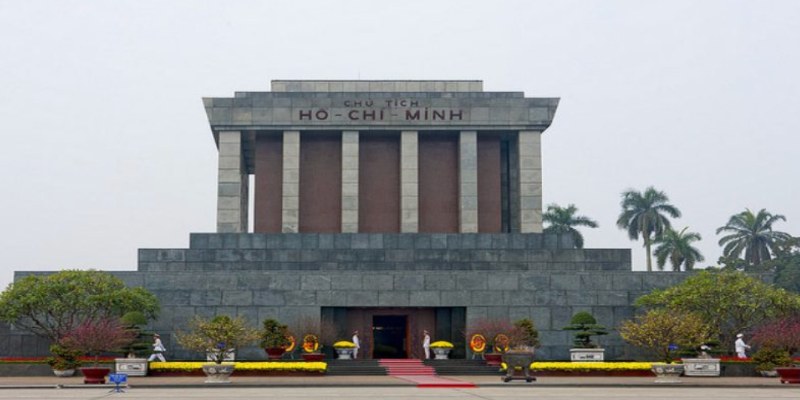
Ho Chi Minh Mausoleum is a sacred structure that preserves the body of Uncle Ho – the beloved leader of the Vietnamese people. The mausoleum is located at Ba Dinh Square, 2 Hung Vuong, Ba Dinh District, Hanoi. This is an unmissable destination when traveling to the capital, not only to pay tribute to Uncle but also to learn more about Vietnam's history and culture.
Transportation:
Opening hours:
Visit the Ho Chi Minh Mausoleum to see the flag-raising ceremony.
>>> See more: Reputable Travel Companies in Hanoi - Top 10 Reviews
Suggested experiences:
Note:
Hanoi Old Quarter is located in Hoan Kiem district, an ancient neighborhood with over 36 streets rich in cultural, historical, and traditional life of the old Thang Long. This is an ideal place to explore the traditional beauty and modern vibrancy of the capital.
Features: The area of 36 streets with streets named after traditional crafts such as Hang Bac, Hang Ma.
Suggested experiences:
How to get there:
Operating hours:
Note:
Tip: It's best to visit in the early morning to fully appreciate the peaceful beauty of the Old Quarter before it becomes bustling.
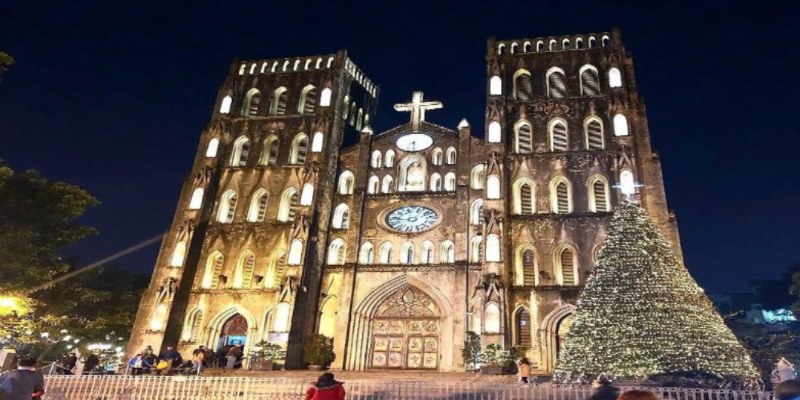
St. Joseph's Cathedral Hanoi (official name: St. Joseph's Cathedral) is a famous ancient religious structure built in 1886, featuring French Gothic architecture. Located at 40 Nha Chung, Hoan Kiem district, it is a favorite destination for both domestic and international tourists.
How to get there:
Opening hours:
Go to St. Joseph's Cathedral for photos and snacks.
Suggested experiences:
Note:
Tip: In the evening, the Big Cathedral is beautifully lit, perfect for check-ins or strolling around the old town.
The Vietnam Museum of Ethnology is an ideal place to gain deep insights into the 54 ethnic groups of Vietnam. The museum is located on Nguyen Van Huyen Street, Cau Giay District, Hanoi, about 8 km from the center. Inaugurated in 1997, the museum houses tens of thousands of artifacts, images, and valuable documents reflecting the cultural life, beliefs, and unique customs of various ethnic groups.
How to get there:
Opening hours and ticket prices:
Suggested experiences:
Note:
Tip: If traveling with children, allocate extra time for the playground and outdoor experiential activities.
Bat Trang Pottery Village, located in Bat Trang Commune, Gia Lam District, Hanoi, is famous for its traditional pottery craft that has lasted over 500 years. This is an ideal destination to learn about pottery art and shop for unique handmade products.
How to get there:
Suggested experiences:
Note: Visit on weekends to experience the lively atmosphere and participate in interesting activities. Wear comfortable shoes for easy exploration of the pottery workshops.
Practical information:
If you have the chance to explore Hanoi, Thang Long Imperial Citadel is a must-visit destination, especially for those who love history and want to deeply feel the cultural richness of the capital. Not just a historical site, it also preserves the imprint of many Vietnamese dynasties over more than 13 centuries of development and change.
Walking inside the Imperial Citadel feels like stepping through layers of the nation's history. From ancient palace foundations, moss-covered gates to well-preserved archaeological artifacts, everything tells the story of a capital that once served as the political and cultural center of the country through various periods. This is what helped Thang Long Imperial Citadel be recognized by UNESCO as a World Cultural Heritage.
One appealing aspect of this site is its spacious, tranquil atmosphere, and unique ancient charm amidst the bustling Hanoi. If you visit in the morning or late afternoon, you will feel a sense of relaxation and can capture many beautiful photos with the architecture rich in historical significance.
Thang Long Imperial Citadel is currently located at 19C Hoang Dieu, Dien Bien Ward, Ba Dinh District, Hanoi. This is a suitable place for both tourists and young people who want to learn more about Vietnamese culture and history in a more visual and authentic way.
Amidst the modern and vibrant life of Hanoi, Long Bien Bridge still carries a unique solemn beauty, like a silent witness of time. For many residents of the capital, this bridge is not just a familiar traffic structure crossing the Red River but also a place that holds countless memories, reminiscences, and historical imprints of old Hanoi.
Long Bien Bridge was started in 1898. In the past, locals used to call it the Song Cai Bridge or Bo De Bridge because it connects the Bo De ferry area in Gia Lam with the center of Hanoi. After more than a century and many historical upheavals, the bridge still stands as a special symbol of the capital.
According to the original design, the bridge is about 1,682 m long, not including the approach bridge of nearly 900 m. The entire structure consists of 19 large steel spans placed on 20 tall pillars, creating an architecture that is both classic and impressive. Despite undergoing many repairs, Long Bien Bridge retains its distinctive nostalgic charm that few structures in Hanoi can replace.
From the bridge, you can admire the vast Red River, watch the slow-moving trains pass by, and feel the simple life of the people of Hanoi. This space brings a feeling of both tranquility and nostalgia, especially suitable for those who love photography, strolling, or want to find an old corner of Hanoi amidst the modern city.
In the heart of Hanoi, One Pillar Pagoda is a small destination but holds significant cultural and historical value. It is considered one of the oldest pagodas in the capital, associated with the early Ly dynasty and has existed for over a thousand years. Although modest in scale, this structure impresses with its unique architecture, rarely seen in the system of Vietnamese pagodas.
The pagoda is built on a single pillar, creating the sensation of a lotus flower rising from the water. Over time, the original wooden pillar has deteriorated and was replaced with a concrete pillar in the 1950s to preserve the structure. Despite the change in materials, the overall architecture still retains its distinctive features, symbolizing high significance in Vietnamese spiritual culture.
When visiting here, people often do not just stop at the pagoda but also stroll around the area of Ho Chi Minh Mausoleum and nearby streets. The surrounding space is quite airy, with many architectural works bearing historical marks and very characteristic landscapes of Hanoi. For international tourists, this is also an interesting stop to feel the intersection of ancient and modern right in the city center.
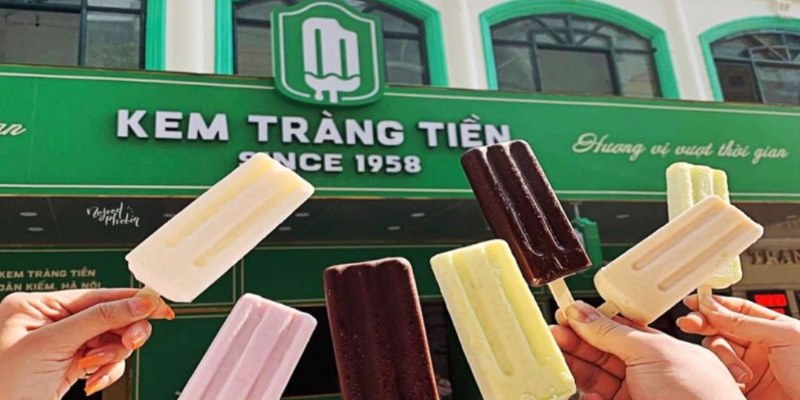
Exploring Hanoi cannot be complete without experiencing street food and traditional dishes:
Don't forget to eat Kem Trang Tien
To ensure a smooth trip, keep in mind:
Ideal time:
Transportation:
Clothing and regulations:
Prepare well for a memorable visit to tourist sites in Hanoi
Safety and convenience:
Sample itinerary suggestion:
Let NVK Travel accompany you in exploring these destinations in Hanoi, a place that preserves the thousand-year cultural beauty of the capital. Visit nvktravel.com now to book tours, rent cars, or get detailed advice. Hanoi is waiting for you to experience!
Fill out the form and we will contact you