Language
Currency
Cape Ca Mau - the southernmost point of the country, is always an attractive destination for adventure enthusiasts. Here, you will have the opportunity to admire many unique tourist spots along with the vibrant mangrove forests. To learn more specific details about this northernmost point of Vietnam, let's follow the article right below from NVK Travel!
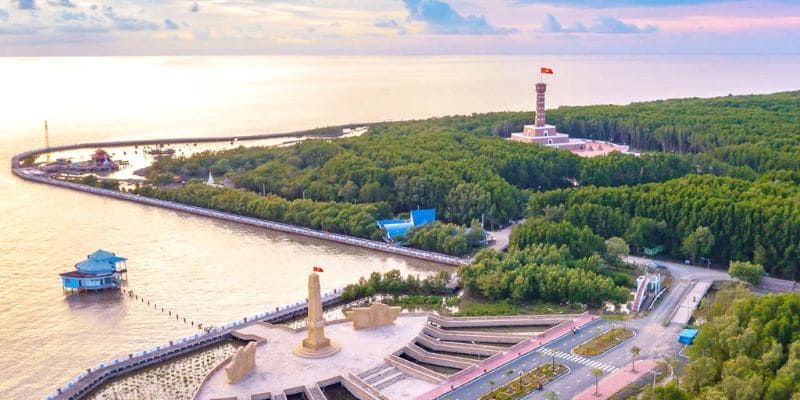
Cape Ca Mau is a land cape located in the southern part of Ca Mau province, in the Mekong Delta region. It is also known as Mui Bai Bung, and is the southernmost point of Vietnam on land. The cape is not in a fixed position but is continuously expanding due to the alluvial deposits from the river flowing into the sea.
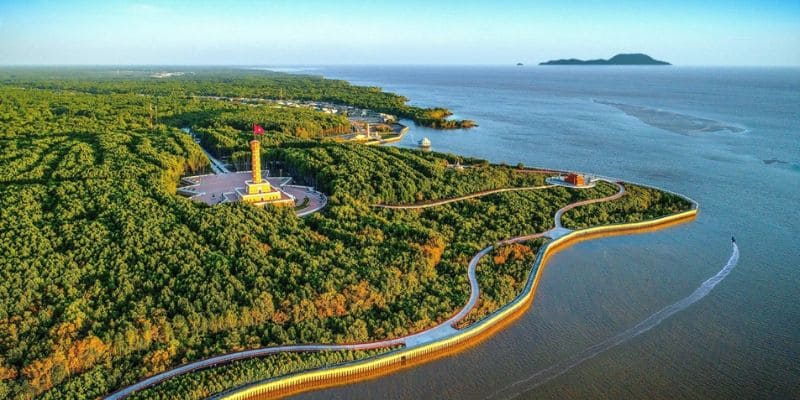
Cape Ca Mau is located in the southern part of Ca Mau province, belonging to Dat Mui commune and is more than 110km from Ca Mau city, making it the southernmost point of mainland Vietnam. This cape is surrounded by the sea on three sides, with the East Sea on one side and the Gulf of Thailand on the other.
This land is not fixed; the coordinates of the southernmost point of the cape are always changing due to the process of sedimentation and land reclamation. As of 2015, the furthest southern coordinates recorded were 8°33'903" N latitude and 104°50'798" E longitude, located at Khai Long beach.
Cape Ca Mau is the southernmost point on land of Vietnam
>>> See more: Con Phung Tourist Area - Travel Experiences in Beautiful Scenery
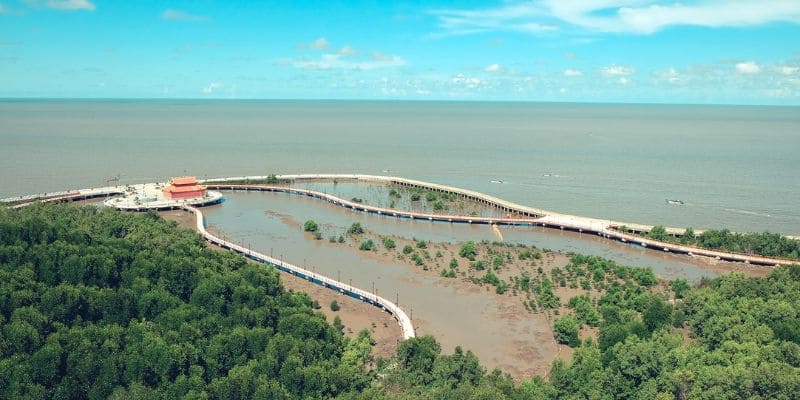
This place is also notable for its diverse ecosystem of mangrove forests and is part of the Ca Mau National Park. The coastal current includes both tidal flows and the influence of winds, with the Ganh Hao tidal flow repeating twice a day at a speed of 0.5 to 1.0 m/second.
In the dry season, the current flows in a West-Southwest direction, then turns West towards the cape at a speed of 0.22 to 0.60 m/second. Conversely, in the rainy season, the current tends to flow East-Northeast, moving away from the shore. The area is always expanding annually, increasing by 60 to 80 meters due to new sediment deposits.
Historically, this area was owned and governed by the Nguyen lords since 1708. The Minh Huong immigrants (led by Mac Cuu) explored the lands in the western Mekong Delta. He established the first seven villages and attracted residents from various places to establish sovereignty over the land known as Ha Tien.
The Ca Mau area was managed by the Long Xuyen district, with two main ports being Doc Huynh and Hau Ky. This is where the Kinh, Hoa, and Khmer ethnic groups live together and cultivate the land.
Dat Mui is also where Nguyen Anh passed through during his days fleeing from the Tay Son army. During the Vietnam War, American forces conducted bombing and sprayed toxic chemicals over the forests here.
Dat Mui is closely linked to a long history and culture
>>> See more: Tack Say Church (Giong Rieng) - A Sacred Pilgrimage Site
From 1990 to 1998, the forests of Cape Ca Mau were heavily exploited, with a total forest area of 4,661 ha being cleared. Those involved in this were mainly immigrants from various places, including war veterans, retired officials, and retired officers. In 2003, Ca Mau National Park was officially established, inheriting from the Dat Mui Nature Reserve with a total area of 41,862 ha, of which 12,203 ha is in strictly protected zones.
The most suitable time for tourists to explore Cape Ca Mau is from December to April. During this period, Ca Mau features the dry season, making it ideal for you to check-in and explore the beauty of the river region as well as participate in interesting local activities such as catching field mice or fishing,...
From May to November, Ca Mau enters the flood season, so traveling by boat on the river will be difficult. However, if you are a fan of Western cuisine, this is the perfect time for travel, as the rainy season brings specialties such as water lily and dien dien flower,...
To reach the southernmost region of the country, you can choose a mode of transportation that suits your budget and time. Currently, the road to Ca Mau from Saigon and Can Tho has developed very well with many highways, shortening travel time. You can easily get to Ca Mau by motorbike, personal car, or choose bus tickets or flights to save time.
Tourists can choose any means of transport to get here
Cape Ca Mau is about 110km from the city center, so you can buy a high-speed boat ticket directly to Rach Tau. The boat will stop at Dat Mui market, from there you can hire a motorbike taxi to the tourist area.
Additionally, you can also rent a motorbike for more active and flexible travel. From the city center, follow National Road 1A for about 60 km to Nam Can town, then turn onto Nam Can - Dat Mui road to continue for another 50 km to your destination.
When visiting Dat Mui, tourists can explore many locations associated with the culture and history of the area. Some notable destinations include:
Ca Mau Cultural and Tourism Park focuses on typical constructions serving tourism activities in the locality, including:
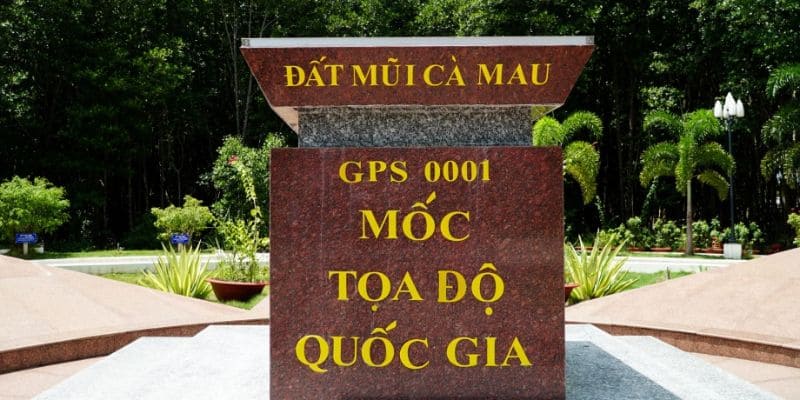
National Coordinate Marker marks the milestone of the country
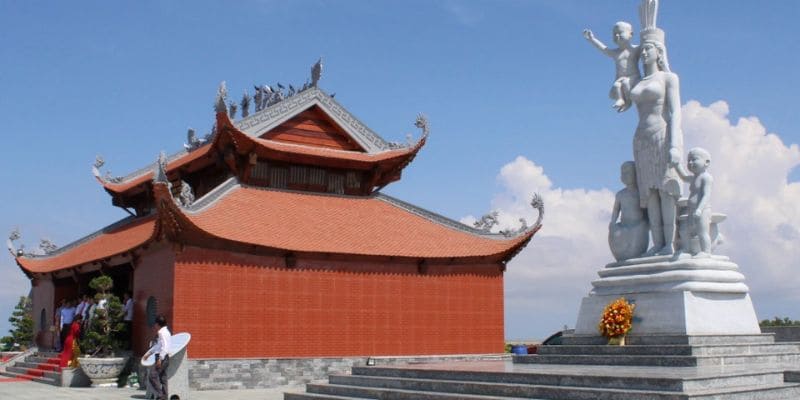
Lac Long Quan Temple and the sacred statue of Mother
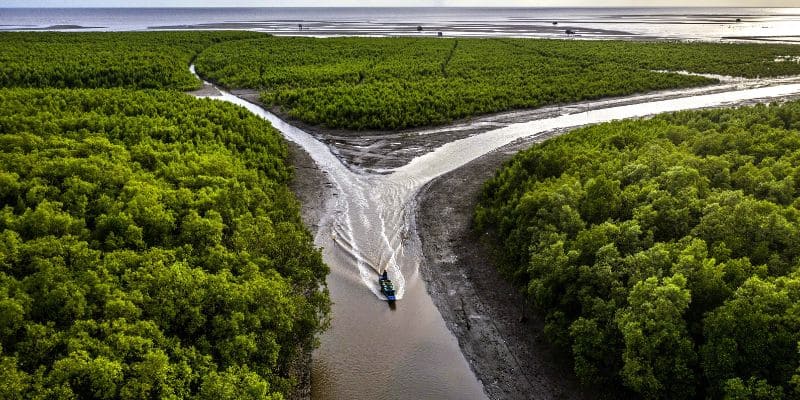
When visiting Dat Mui, besides the architectural constructions in the Cultural Park, tourists can also experience exploring the mangrove forests of the national park. Although the forest tours have only been operational since 2018, they have quickly attracted many visitors.
Here, tourists can rent canoes or wooden boats to enjoy the beautiful scenery. Additionally, you can visit the local people's oyster farming models, explore the sedimentary beaches, and take photos beside ancient mangrove trees or experience crossing traditional monkey bridges that reflect the essence of the Mekong Delta. Especially, visitors will be able to listen to sweet folk songs from the guides, creating a rich local atmosphere.
Mangrove forest in Ca Mau encroaches on the sea to retain alluvium
Currently, Ca Mau National Park has developed four different ecological tourism routes, including: Visiting the Bai Boi mangrove forest, starting to explore Gieng Troi and the primary forest, the natural forest succession at Ong Trang Islet, along with experiences at the Bai Boi along the East and West Sea for more diverse and interesting activities.
Khai Long Tourist Area includes various constructions such as entertainment areas, resorts, and spiritual architecture with structures like Khai Long Pagoda and the statue of Bodhisattva Quan The Am. Among them, the statue of Bodhisattva Quan The Am (also known as Mother Nam Hai) is 20m tall and faces the East Sea, which is the most unique highlight. Each year, this place attracts more than 2,000 visitors for worship, mainly fishermen and those working in the seafood industry.
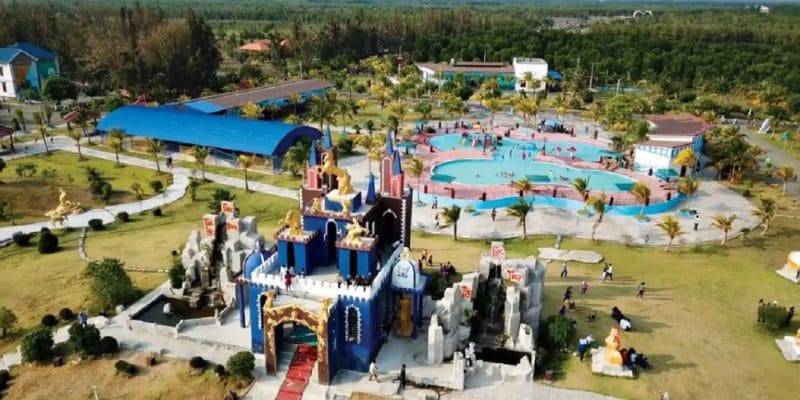
Khai Long Tourist Area is vast with many unique services
In addition, you also have the opportunity to visit Khai Long beach and the nearby Hon Khoai island. Here, you can participate in interesting activities such as catching shrimp or Ca Mau crabs in shallow water areas or near rocky embankments when the tide goes down.
Khai Long tourist area with a spacious environment has invested heavily in many facilities such as restaurants, hotels, swimming pools, tourist huts, wave-breaking embankments, fishing areas, sightseeing areas, and entertainment areas, promising to be an ideal destination for weekend tours and relaxation.
When you set foot in Mui Ca Mau, you will have the opportunity to experience countless interesting activities, each activity reflecting the cultural nuances and distinctive identity of this land.
Mui Ca Mau proudly boasts many beautiful destinations for tourists to check-in and capture unforgettable moments. From the national coordinate milestones to wooden bridges crossing mangrove forests, every corner here offers vibrant and meaningful pictures. With just a phone or camera, you can have photos at famous landmarks, creating memories for your trip.
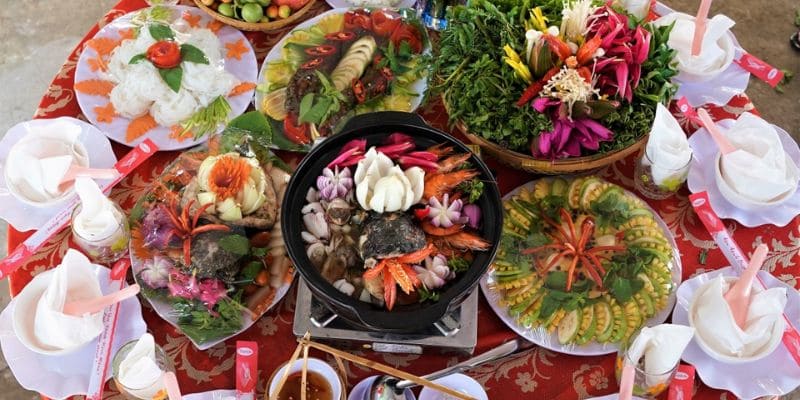
Ca Mau has a rich and fresh seafood source and is considered one of the most attractive culinary destinations in the country. When you come here, you definitely shouldn't miss the chance to enjoy unique dishes made from the seafood specialties of this southernmost land.
Enjoy the rich dishes of Ca Mau cuisine
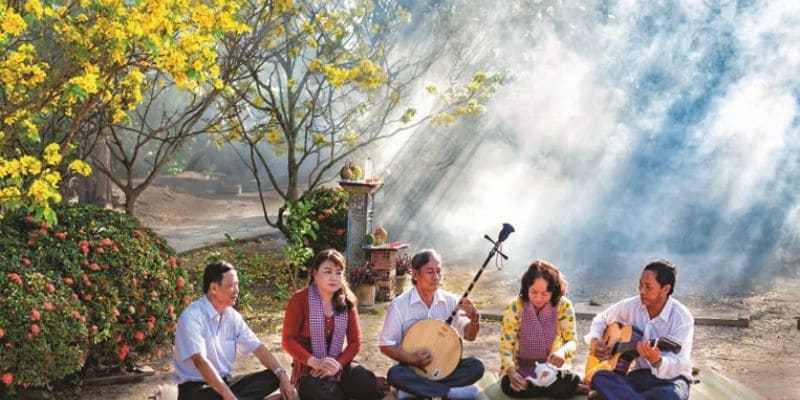
Don ca tai tu is an indispensable part of the traditional culture of the people in the Mekong Delta. Tourists can enjoy this art form at the professional stage of the Don ca tai tu club in the Cultural and Tourism Park.
In addition, tourists also have the opportunity to participate in folk music exchanges at local singing groups, performing sweet melodies in a close and friendly atmosphere.
Listen to traditional Southern folk music
The life of the people of Dat Mui is closely associated with the green canopies of mangrove forests and the alluvial grounds. The main occupations of the locals are fishing and freshwater shrimp farming.
With a lifestyle of "on the dock, under the boat", the people here have created a unique culture that facilitates trade. Due to the nature of the fishing profession, many houses here do not have doors, making it easier to transport seafood.
Coming to Mui Ca Mau, you will feel the genuine and warm neighborly love. The locals here are affectionate, simple, and enthusiastic. Immersing yourself in their fresh atmosphere and daily life, you will have wonderful moments of relaxation that cannot be compared.
Mui Ca Mau is a prominent destination with many diverse tourist attractions and a rich culinary scene. Here, visitors will surely experience interesting and unforgettable rustic activities. If you want to learn more about Mui Ca Mau travel tours, please contact NVK Travel for advice and to receive great price offers!
Fill out the form and we will contact you