Important Tips When Traveling to China That You Must Remember to Avoid Trouble
Thorough preparation and understanding of the notes when traveling to China is essential. Below, NVK Travel will share some notes for traveling to China so you can confidently explore this vast country, from visa procedures, transportation, culture to practical tips that make your trip more meaningful.
1. Prepare entry procedures and visa
Tourist visa: Vietnamese citizens need to apply for a visa before entering China. A tourist visa (L visa) costs about 1.5-2.5 million VND (60-100 USD), depending on the type of visa and processing time (usually 5-7 days, or 2-3 days for urgent applications).
Necessary documents: Passport valid for at least 6 months, ID photo, travel itinerary, hotel/flight booking confirmation.
Tip: Submit your application at the Chinese Embassy or Consulate, or through reputable visa support services to save time.
Check entry regulations: Ensure you carry the original passport and a copy of the visa. Some special areas like Tibet may require a separate permit (Tibet Travel Permit).
Customs: Carefully check the regulations on bringing goods, especially food, tobacco, or alcohol to avoid violations.
Paying attention to the notes when traveling to China is essential
2. Plan and book services early
Travel time: Autumn (September-November) is the ideal time with cool weather and beautiful scenery. Avoid major holidays like Tet Nguyen Dan (January or February) due to high ticket prices, hotel rates, and crowds.
Book flights and hotels:
Round-trip flights from Vietnam to major cities like Beijing, Shanghai, Guangzhou usually range from 6-12 million VND. Book early through Skyscanner or Trip.com for better prices.
Choose hotels near subway stations or the city center for convenience, with prices ranging from 500,000-2 million VND/night depending on the type (hostel, 3-5 star hotels, Airbnb).
Detailed itinerary: Identify destinations such as the Great Wall, Forbidden City, Jiuzhaigou and arrange them by area to save time and transportation costs.
Language: Mandarin is the main language, but English is not widely spoken in many places, especially in smaller cities. Learning a few basic phrases like "Ni hao" (Hello), "Xiexie" (Thank you), or "Duoshao qian" (How much?) will be very helpful.
Cultural etiquette:
Respect the rules at historical sites like the Forbidden City or temples (do not take photos if prohibited, keep quiet).
Avoid discussing sensitive topics like politics or religion in public.
When shopping at markets, bargaining is common, but keep a polite attitude.
Support apps: Download WeChat for communication, Alipay for payments, and Baidu Maps or Amap for navigation, as Google Maps does not work well in China.
You need to learn about culture and communication in China
4. Prepare clothing and luggage
Seasonal clothing:
Spring (March-May): Light jacket, comfortable shoes for walking.
Summer (June-August): Light clothing, hat, sunscreen due to hot and humid weather.
Winter (December-February): Thick jackets, gloves, beanies, anti-slip shoes for cold areas like Harbin.
Essential luggage:
Bring a reusable water bottle to save costs.
Prepare a universal power adapter as sockets in China are usually type A or I (220V).
Bring personal medication and a copy of prescriptions, as buying medicine in China may require a doctor's prescription.
Tip: Pack light, prioritize a suitcase with a lock to protect your belongings when moving in crowded places.
5. Getting around in China
Public transportation:
Subway: Cheap (10,000-20,000 VND/ride), convenient in major cities like Beijing, Shanghai.
High-speed trains: Modern, fast, prices range from 500,000-2 million VND/trip (for example: Beijing - Shanghai about 1.5 million VND).
Buses: Economical (5,000-15,000 VND/ride) but you need to know Chinese or use a map app.
Taxi/Didi: Calling a car through the Didi app is cheaper than traditional taxis, costing about 50,000-200,000 VND for short trips.
Tip:
Buy a transportation card (like Yikatong in Beijing) to save on travel costs.
Book high-speed train tickets in advance through Trip.com or at the station to avoid sold-out situations.
Avoid peak hours (7-9 AM, 5-7 PM) to avoid crowds.
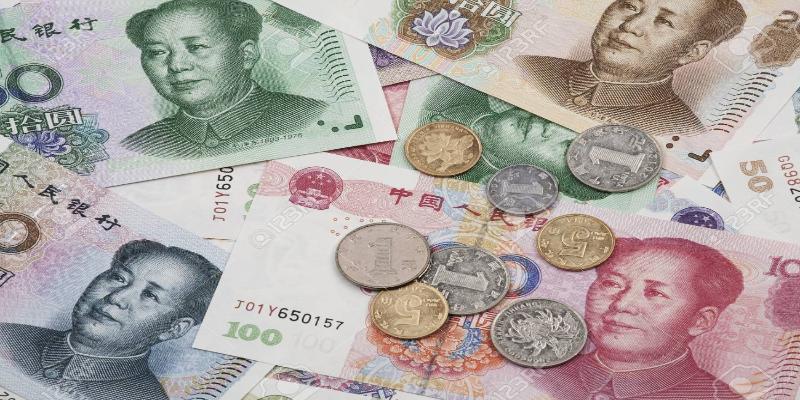
Be familiar with the currency denominations in China
6. Food and Health
Cuisine: China has a diverse culinary scene, from Peking duck, Sichuan hot pot to hand-pulled noodles. The price of a meal ranges from 20,000 VND (street food) to 300,000 VND (mid-range restaurants).
Tip: Try food at night markets like Wangfujing (Beijing) or Chenghuang Miao (Shanghai) to save money and experience local culture.
Drinking water: Tap water in China should not be consumed directly. Buy bottled water at supermarkets (priced around 10,000-20,000 VND/bottle).
Health:
Purchase travel insurance (100,000-300,000 VND for 5-7 days) for peace of mind in case of emergencies.
Wear a mask when visiting crowded cities or during winter to avoid dust and colds.
7. Safety and Connectivity
Safety:
Be careful with personal belongings in crowded places like markets or train stations.
Avoid deserted areas at night, especially in large cities.
Save emergency phone numbers: Police (110), Ambulance (120).
Connectivity:
Buy a 4G SIM card (200,000-500,000 VND for 7 days, 1-2GB/day) at the airport or through Klook.
Use a VPN (like ExpressVPN or NordVPN) to access blocked sites like Google, Facebook.
Tip: Save the contact information of the Vietnamese Embassy in China (Beijing: +86-10-6532-1155) for assistance when needed.
Wishing you a smooth, economical trip filled with memories in China
With the above tips, you will have a smooth, economical trip filled with memories. Visit nvktravel.com for free consultation, to book services, and explore offers for travel in China, contact us today to start your journey exploring the magnificent land of China!