When is the Best Time to Travel to Sapa? Tips for Self-Guided Adventures

When is the Best Time to Travel to Sapa? Tips for Self-Guided Adventures

Sapa – the misty town nestled among the mountains of the Northwest – is a place that captivates travelers' hearts with its beauty that changes with each season. Each season, Sapa has its own charm, from the blooming flowers of spring, the refreshing greens of summer, the golden hues of autumn to the frosty winter. The question which season is the best for traveling to Sapa? often leaves many people pondering. Through various experiences, autumn (September-November) stands out the most, favored by many travelers thanks to the brilliant yellow of the terraced rice fields and the ideal weather. NKV Travel will analyze the reasons why autumn is preferred, along with the characteristics of each season, locations, activities, and tips to help you plan the perfect trip.

Which season is the best for traveling to Sapa?

The best season for traveling to Sapa depends on personal preferences, but autumn (September-November) is always the top choice for many travelers. This is the time when Sapa dons the shimmering yellow of ripe rice on the terraced fields, with cool weather (15-20°C), little rain, making it ideal for exploration and photography. Villages like Ta Van and Cat Cat become vibrant landscapes, attracting thousands of visitors each year. Data from travel companies show that the number of visitors to Sapa in autumn increases by 30-40% compared to other seasons, proving its special allure. However, each season in Sapa has its own unique beauty, and below is a detailed analysis to help you choose the right time.

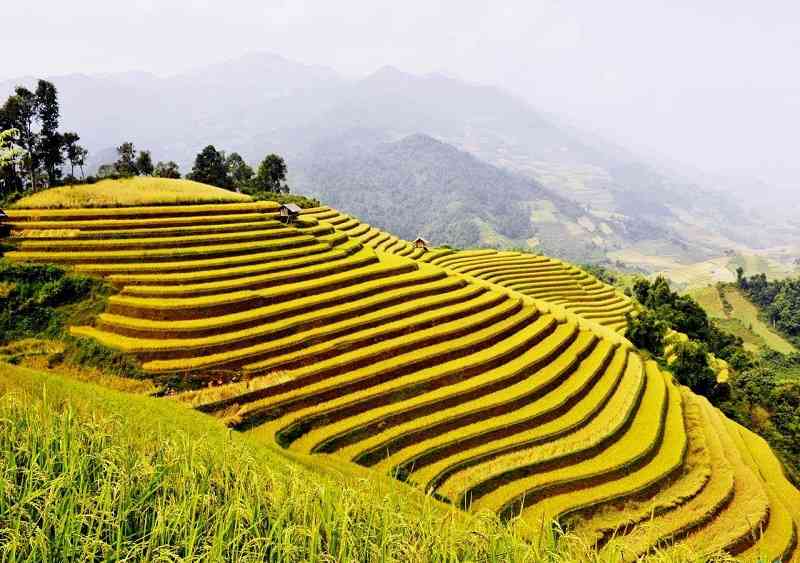
Autumn in Sapa dons the shimmering golden color of ripe rice on the terraced fields.

Autumn in Sapa is adorned with the shimmering yellow of ripe rice on the terraced fields.

>>> See more: What to Wear in Sapa: Tips for Dressing Beautifully and Comfortably!

Characteristics of the seasons in Sapa

Spring (February – April): Vibrant flower colors

Beauty

Spring in Sapa is a colorful painting with peach blossoms, plum blossoms, and pear blossoms blooming all over the mountains and forests. The average temperature is 15-20°C, with fresh air and a hint of floral fragrance. The paths leading to Ta Van and Lao Chai are covered in flowers, creating a romantic scene like in a painting. The light fog gently embraces the flower branches in the early morning on the O Quy Ho Pass, bringing an indescribable sense of peace.

Notable locations

  • Ta Van, Lao Chai: Admire plum blossoms, peach blossoms, and explore the culture of the Dao and H'Mong ethnic groups.
  • O Quy Ho Pass: Check-in with the mountains and wildflowers.
  • Stone Church: An ideal spot for photos amidst the spring atmosphere.

Activities

  • Trekking through villages: Walk through the villages to admire the flowers and learn about the lives of the locals.
  • Participate in festivals: The Gau Tao festival of the H'Mong people usually takes place in early spring, offering a unique cultural experience.
  • Photography: Spring is a paradise for photography enthusiasts.

Notes

  • Bring a light jacket as it can be a bit chilly in the morning and evening.
  • Book homestays or hotels early, especially during Tet, as the number of visitors is high.
  • Prepare sports shoes for comfortable trekking.

Summer (May – August): Refreshing green colors

Beauty

Summer blankets Sapa in the lush green of young rice on the terraced fields. The temperature is 20-25°C, the weather is cool, with occasional rain showers that do not last long. The rice fields in Cat Cat and Ta Phin reflect the sunlight, creating a peaceful scene. Sitting on the homestay's porch, sipping a cup of coffee, watching the clouds drift lazily over the mountain peaks, feels like stepping into a fairyland.

Notable locations

  • Cat Cat Village: Explore the terraced fields and picturesque waterfalls.
  • Silver Waterfall: The waterfall cascades with white foam amidst the green forest.
  • Dragon Mountain: Enjoy a panoramic view of Sapa from above, with flower gardens and swirling clouds.

Activities

  • Visit waterfalls: Silver Waterfall and Love Waterfall are ideal summer destinations.
  • Light trekking: Explore the villages and lush green terraced fields.
  • Enjoy local specialties: Salmon hotpot and grilled meat at Sapa night market are perfect for the weather.

Notes

  • Bring an umbrella or raincoat due to sudden rain showers.
  • Choose a homestay close to the center for convenience in case of rain.
  • Check the weather forecast before going trekking.
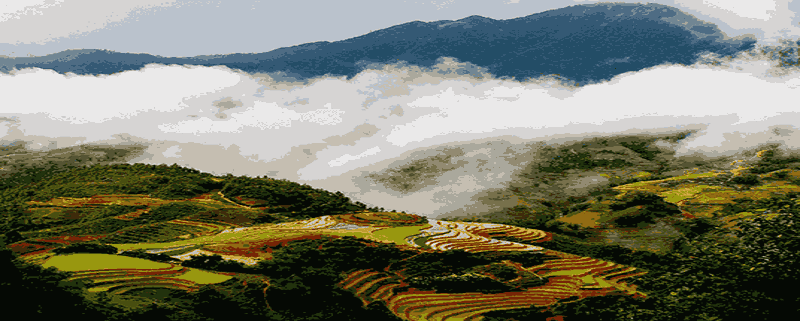
Summer is cool, sometimes with brief rain showers that do not last long.

Summer is cool, with occasional rain showers that do not last long.

>>> See more: How Much Does a Trip to Sapa for 2 People Cost?? Details of Each Item

Autumn (September – November): Brilliant yellow hues

Beauty

Autumn is the perfect answer to the question of which season is the best for traveling to Sapa. The golden rice on the terraced fields in Ta Van, Lao Chai, and Ta Phin creates a majestic landscape that leaves everyone in awe. The cool temperature of 15-20°C, clear skies, and the air filled with the scent of ripe rice. Standing on the peak of Fansipan or O Quy Ho Pass, looking down at the golden valley, feels like touching a dream.

Notable locations

  • Ta Van, Lao Chai: Admire the golden terraced fields and learn about local culture.
  • Fansipan Peak: Conquer the "roof of Indochina" by cable car, enjoying the panoramic view of autumn.
  • Moana Sapa: A check-in spot with a sky gate and a miniature rice field.

Activities

  • Taking photos of terraced fields: Autumn is the ideal time to hunt for beautiful photos.
  • Conquering Fansipan: Cable car or trekking for those who love adventure.
  • Participating in local markets: Bac Ha and Coc Ly markets are vibrant places to shop for handicrafts and specialties.

Notes

  • Book cable car tickets and accommodations early as autumn is very crowded.
  • Bring a light sweater or windbreaker as it gets chilly at night.
  • Choose non-slip shoes if walking through the villages.

Winter (December – February): Romantic fog and frost

Beauty

Winter transforms Sapa into a mystical land of fog, with temperatures ranging from 5-15°C, sometimes dropping below 0°C. On lucky days, light snow or frost may appear on the summit of Fansipan, creating a scene reminiscent of Europe. Strolling around the Stone Church, sipping hot tea amidst the mist, the atmosphere becomes heart-wrenchingly romantic.

Highlights

  • Fansipan Peak: Admire frost or falling snow (if lucky).
  • Silver Waterfall: A waterfall shrouded in mist, beautifully enchanting in winter.
  • Sapa Night Market: Enjoy grilled food and buy souvenirs.

Activities

  • Warm up by the fireplace: At homestays, enjoy salmon hot pot and chat with the locals.
  • Snow hunting: Monitor weather forecasts to catch rare snow moments.
  • Visit the night market: Buy scarves, ethnic clothing, and enjoy grilled meat.

Notes

  • Bring a thick jacket, gloves, and a wool hat as the weather is very cold, especially on Fansipan.
  • Check the roads as fog may cause difficulties in movement.
  • Book cable car tickets and homestays early, especially during Christmas and Tet.
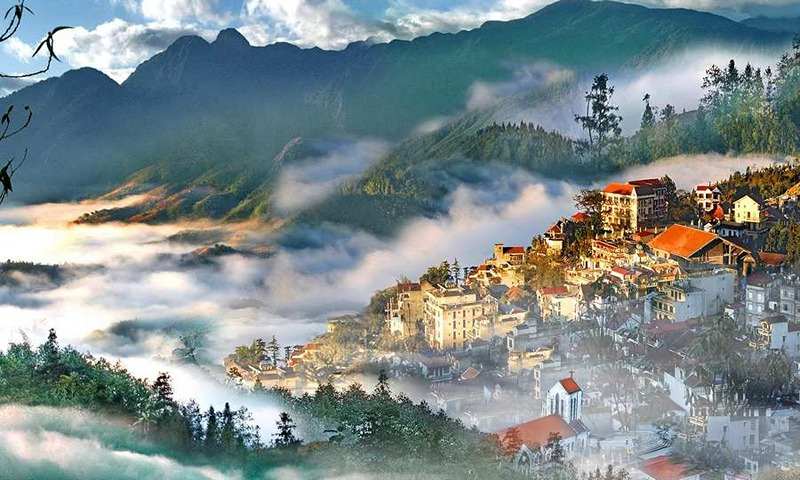
Winter transforms Sapa into a mystical land of fog.

Winter transforms Sapa into a mystical land of fog.

Why is autumn the most favored season?

Autumn is considered the ideal time for tourism in Sapa for many reasons:

  • Unique scenery: The golden color of the terraced fields is a symbol of Sapa, appearing only in autumn. Villages like Ta Van and Lao Chai become must-visit destinations.
  • Ideal weather: Not too hot like summer, not freezing cold like winter, autumn is cool and pleasant, suitable for all activities from trekking to photography.
  • Diverse activities: From conquering Fansipan, exploring local markets, to hunting for terraced field photos, autumn offers a variety of experiences.
  • Tourism appeal: The number of visitors increases, cultural events are lively, creating a bustling atmosphere while still retaining its inherent tranquility.

Although other seasons also have their own attractions, autumn is always a 'safe' choice for first-time visitors to Sapa, providing the most complete experience.

Traveling to Sapa which season is the most beautiful? Autumn (September-November) is the answer chosen by many tourists, with the golden color of terraced fields, pleasant weather, and a vibrant cultural space. From the colorful Ta Van village, the majestic Fansipan peak, to the cozy night market, autumn in Sapa brings unforgettable moments. Whether you love the flowers of spring, the greenery of summer, or the frost of winter, each season in Sapa is worth exploring. Contact nkvtravel.com now to plan your trip and experience the beauty of the Northwest in your own way!