Language
Currency
Phu Yen, a poetic land in Central Vietnam, is home to emerald beaches, majestic rocky cliffs, and lush green fields that appeared in the movie "I See Yellow Flowers on the Green Grass". Traveling to Phu Yen at which season is the most beautiful? is the question many people ask when they want to explore Ganh Da Dia, Vung Ro Bay, or the peaceful village roads. Each season in Phu Yen has its own charm, from the bright sunshine of the dry season to the cool atmosphere of the rainy season. The journey to Phu Yen is a trip to immerse yourself in nature, enjoy fresh seafood, and feel the slow pace of life. Let’s explore the weather characteristics, ideal seasons, and tips to make your trip to Phu Yen complete!
Phu Yen has a tropical monsoon climate, influenced by the South Central Coast region, with two distinct seasons: the dry season (from January to August) and the rainy season (from September to December). The weather in Phu Yen is characterized by warmth year-round, but each season brings a different experience, so let’s find out which season is the best for traveling to Phu Yen!
The weather in Phu Yen is characterized by warmth year-round
>>> See more: Phu Yen Travel 3 Days 2 Nights: Explore the Land of Yellow Flowers and Green Grass
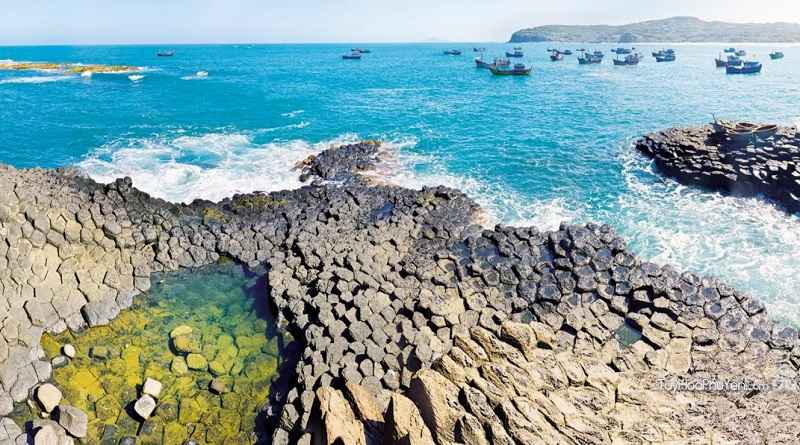
The dry season in Phu Yen is when nature showcases its most brilliant beauty. The average temperature ranges from 25-32°C, sometimes reaching up to 35°C in May-June. The sky is clear, with few clouds, and the abundant sunshine highlights the emerald color of Bai Xep, Bai Mon, and Vung Ro Bay. The sea breeze blows gently, carrying a salty scent that cools the midday heat. Standing on Ganh Da Dia, watching the shiny black basalt rocks glimmering in the sun, you will feel the wonder of creation.
The dry season is ideal for swimming, snorkeling, or walking along the winding village roads leading to Dam O Loan. In the early morning, the air is cool, perfect for watching the sunrise at Mui Dien, where the first rays of sunlight touch the Vietnamese mainland. However, the midday heat (11:00 AM – 2:00 PM) can be exhausting, so it’s necessary to prepare hats, sunscreen, and drinking water.
The rainy season brings a serene beauty to Phu Yen, with short rain showers in the afternoon or evening, and temperatures dropping to 22-28°C. The high humidity makes the atmosphere cooler, and the scenery fresher with lush green rice fields and dew-covered hills. Rain in Phu Yen does not last as long as in Hue or Da Nang, usually stopping quickly, leaving a clear sky, ideal for taking photos at Mang Lang Church or Cu Lao Mai Nha.
The rainy season is a time with fewer tourists, providing a quiet space to explore local culture, such as enjoying corn pudding at Tuy Hoa market or listening to stories about King Quang Trung at the Phu Yen Museum. However, rain can make some dirt roads in mountainous areas like Hon Yen slippery, so caution is needed when moving. October-November sees the most rain, sometimes accompanied by storms, so check the weather forecast before going.
Based on practical experience, the best time to travel to Phu Yen is during the dry season, especially from March to June. The weather is dry, sunny, with temperatures of 25-32°C, calm seas, and clear skies, making it very suitable for exploring famous destinations like Ganh Da Dia, Mui Dien, or Bai Xep. The gentle sunlight highlights the beauty of the rocky cliffs, beaches, and lush green fields, creating a cinematic feel.
The rainy season (from September to December) also has its own charm, especially in September, when light rain adds a poetic touch to the scenery and creates a peaceful atmosphere. If you want to save costs and enjoy tranquility, September-October is a worthwhile choice. However, avoid going in November due to heavy rain and the risk of storms that could affect your schedule. The choice of season depends on your preferences: if you love the sea and sunshine, choose the dry season; if you prefer a serene atmosphere, the rainy season will be suitable.
The gentle sunlight highlights the beauty of the rocky cliffs
>>> See more: Top 10 Tourist Attractions in Phu Yen You Should Not Miss
To ensure a smooth trip to Phu Yen, keep the following points in mind, based on practical experience:
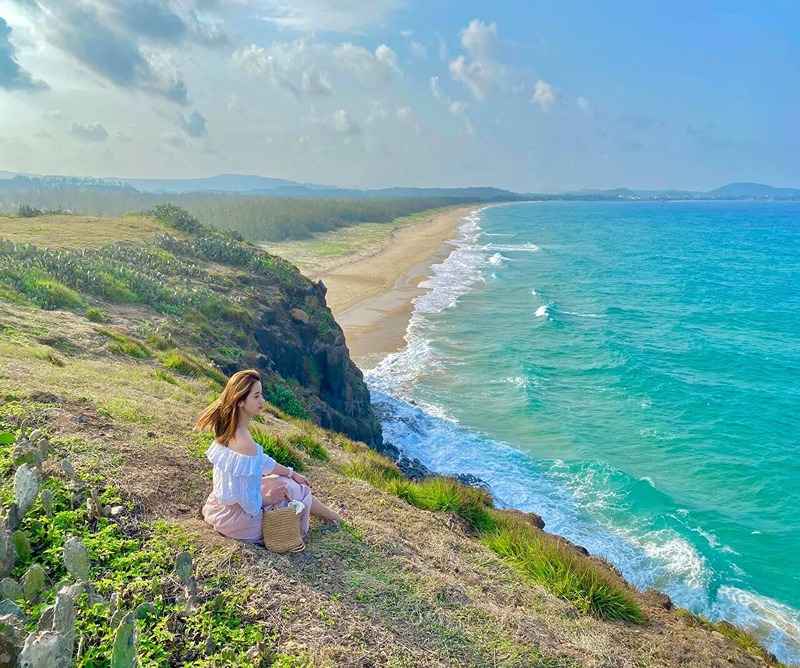
Mui Dien is cool, with beautiful light for photography
To better understand which season is the best for traveling to Phu Yen, imagine the journey through each season, each season is a unique painting.
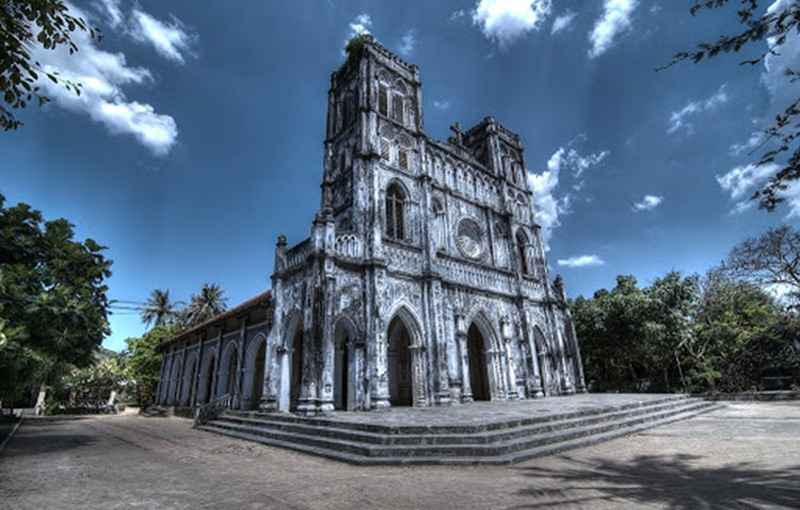
Mang Lang Church, the solemn atmosphere, the ancient green color
So, now you know which season is the best for traveling to Phu Yen, right? It’s not just about choosing the time, but about the journey to explore the diverse beauty of the land of yellow flowers and green grass. The dry season is vibrant with blue seas and rocky cliffs, while the rainy season is serene with cultural spaces and fresh scenery. Whether you choose March-April to immerse yourself in the sunshine or September to blend into tranquility, Phu Yen always knows how to touch your heart. Contact nvktravel.com to plan, pack your backpack, and start traveling to Phu Yen today!
Fill out the form and we will contact you