Language
Currency
Hue, the dreamy ancient capital, is where the gentle Huong River embraces ancient tombs, streets filled with flamboyant flowers, and smiles typical of the Central region. When is the best season to travel to Hue? is a question that always makes the hearts of Hue lovers flutter, as each season here is like a poem, from the vibrant spring to the serene autumn. After cycling over the Truong Tien Bridge, watching the sunset on the Huong River, February appears as a perfect moment, with cool weather, flowers blooming everywhere, and the lively atmosphere of Tet. This article will guide you through the characteristics of Hue's weather, why February is the most beautiful season, along with brief notes to make your trip to Hue a journey full of emotions.
Hue has a tropical monsoon climate typical of the Central region, with two distinct seasons: the dry season (from January to August) and the rainy season (from September to December). The average temperature ranges from 20-30°C, but the seasonal weather changes create unique experiences for traveling in Hue. The dry season brings warm sunshine and blue skies, ideal for wandering around the Imperial City or taking a boat on the Huong River. The rainy season covers Hue with a contemplative cloak, with persistent rain and an ancient atmosphere, but sometimes challenges with flooding.
Hue has a tropical monsoon climate typical of the Central region
>>> See more: Itinerary Hue Travel 3 Days 2 Nights Details & Specifics!
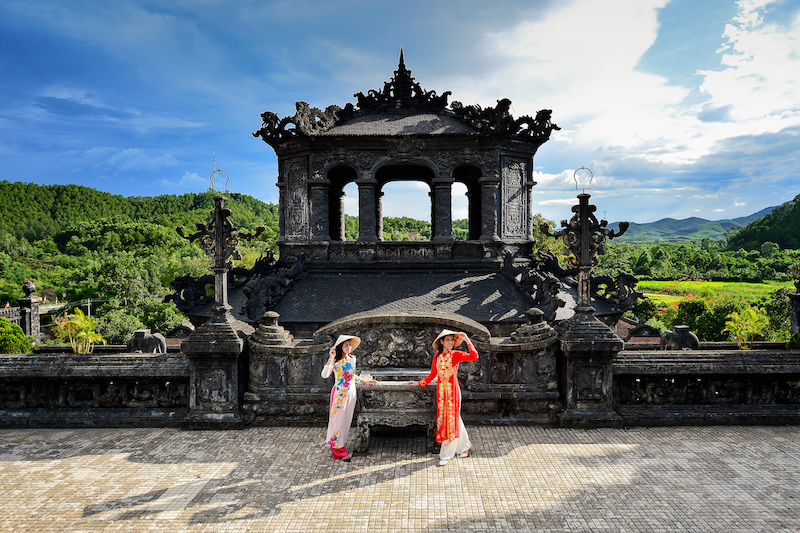
The dry season begins in January, with temperatures ranging from 20-28°C, clear skies, and gentle sunshine, perfect for leisurely cycling across the Truong Tien Bridge, visiting the Khai Dinh Tomb or Thien Mu Pagoda. The golden sunlight filtering through the trees adds solemnity to the tombs. From May to August, it gets hotter, with temperatures reaching up to 35°C, making outdoor exploration a bit challenging during midday.
The evenings are cool, sitting by the Huong River listening to Hue music is an unforgettable moment. The dry season is a great time to explore Hue tourism, especially from February to April, when the weather is pleasant and flamboyant flowers and lotus bloom.
The rainy season transforms Hue into a contemplative painting, with temperatures from 20-25°C and persistent rain, especially in October and November. The rain covers the tombs with green moss, and the Huong River shrouded in mist feels like stepping into a historical tale.
Sitting in a small cafe, listening to the rain patter, sipping lotus tea, brings a strange sense of peace. Flooding in low-lying areas like Dong Ba Market can cause difficulties. The rainy season still attracts those who love the melancholic beauty, but it is not an ideal choice for tourism due to unstable weather.
Hue in every season is like a melody, but February is the highest note, the ideal time to explore Hue tourism. The cool weather, vibrant Tet atmosphere, and flower-filled streets make February the most beautiful season. Below is an analysis of each season, with reasons why February stands out, along with insights into other seasons for you to fully appreciate the beauty of Hue.
February is the moment when Hue is as beautiful as a dream, the perfect answer to the question of when is the best time to travel to Hue. The temperature is 18-24°C, the sky is clear, the sun is gentle, and the air is fresh, perfect for cycling along tree-lined streets, visiting the Imperial City or the Tu Duc Tomb. Tet Nguyen Dan (usually in February) transforms the ancient capital into a vibrant painting, with yellow apricot flowers and pink peach blossoms blooming everywhere, and Thien Mu Pagoda beautifully decorated.
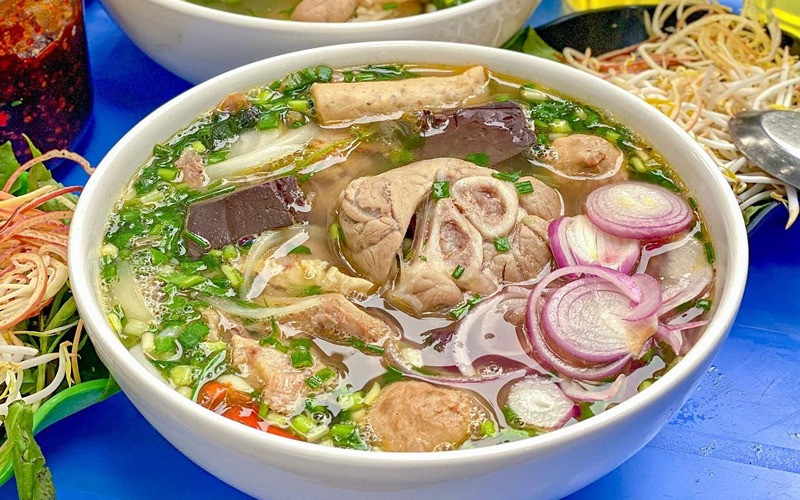
The full moon of the first month brings the lantern festival, with boats on the Huong River glowing with candlelight. Sitting on a boat, listening to the sweet Hue melodies, feels like time stands still. The flamboyant flowers begin to bloom, adorning the tombs and the Truong Tien Bridge. February is the ideal time for photography, enjoying beef noodle soup, and immersing yourself in the spring atmosphere of Hue tourism.
February is the moment when Hue is as beautiful as a dream
>>> See more: Tourist Destinations in Hue - The Unmissable Land of the Ancient Capital
March and April extend the spring atmosphere, with temperatures from 20-28°C, pleasant weather, and little rain. Lotus flowers bloom abundantly in the Imperial City pond, and flamboyant flowers bloom vibrantly on Le Loi Street, creating a poetic scene.
Hue Festival (every 2 years, usually in April) makes the ancient capital lively with ao dai performances, royal music, and street festivals. Walking through Dong Ba Market, buying conical hats, and enjoying banh khoai is a deeply Hue experience. March and April are good choices for traveling to Hue, but they cannot compare to February due to the lack of Tet atmosphere and slightly higher temperatures.
Summer brings bright golden sunshine, with temperatures from 28-35°C, dry weather, perfect for swimming at Lang Co, Thuan An, or exploring Tam Giang Lagoon. The sunset on the Huong River is picturesque, ideal for sitting on a boat, listening to Hue music. The midday heat can be tiring, so hats and water are necessary. From May to July is peak season, with the Imperial City and tombs crowded. Summer brings a youthful vibe to Hue tourism, but it is not as ideal as February due to the hot weather.
The summer sunset on the Huong River is picturesque
The rainy season covers Hue in a contemplative cloak, with temperatures from 20-25°C and persistent rain, especially in October and November. The tombs are covered in green moss, and the Huong River shrouded in mist gives a feeling of stepping into a history book. September has light rain, suitable for visiting Dong Ba Market and Truong Tien Bridge.
October and November carry the risk of storms and flooding, causing difficulties. December is more stable, close to Tet, bringing a bustling atmosphere. The rainy season is suitable for those who love tranquility, but it is not the ideal time to explore Hue tourism due to unstable weather.
To make your exploration of Hue, especially in February, a memorable journey, here are some brief notes from wandering around the ancient capital:
Beef noodle soup Hue, the must-try specialty dish
Traveling to Hue in which season is beautiful has a clear answer: February, when the weather is cool, apricot flowers bloom, and the Tet atmosphere brightens the ancient capital. Whether summer brings beach sunshine, the rainy season is contemplative, or spring is gentle, February is the peak with the blend of weather, culture, and scenery. With these concise notes, you will easily cycle over the Truong Tien Bridge, listen to Hue music on the Huong River, and enjoy rich beef noodle soup.I hope this article has provided useful information, and don't forget to reach out to nvktravel.com if you need to book a complete tour or receive advice on trips!
Fill out the form and we will contact you