Language
Currency
South Korea, the land of cherry blossom streets and snow-capped peaks, is an enchanting destination year-round. Which season is the best for traveling to South Korea is the question that stirs the heart, as each season paints a unique picture. From the pink hues of spring to the vibrant red leaves of autumn, this journey is a love song of nature and culture. This article will guide you through the weather, the most beautiful season, and the characteristics of each season to make your trip a lasting memory.
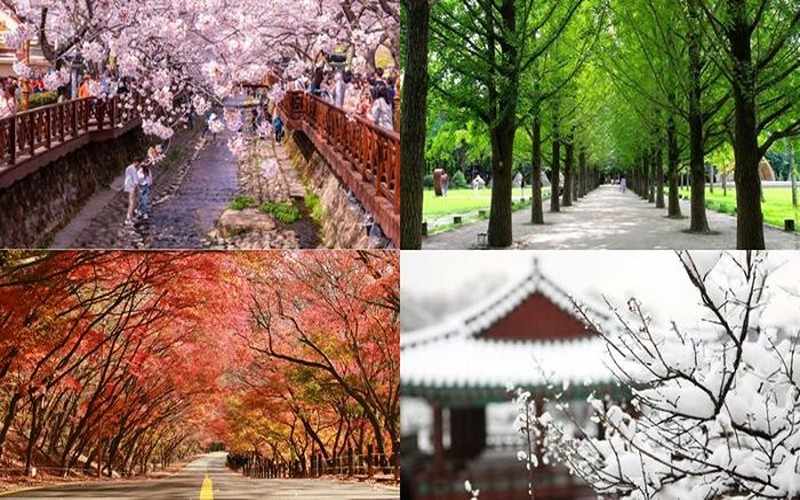
South Korea, located in the temperate zone of East Asia, has four distinct seasons, each with its own weather characteristics, shaping the experience of which season is best for traveling to South Korea.
The climate varies by region: Jeju is warmer, Gangwon-do is colder, while Seoul experiences all four distinct seasons. Humidity ranges from 60-80%, peaking in summer. Understanding the weather helps choose the right season, from flower viewing to skiing, ensuring a complete travel experience in South Korea.
>>> See more: What Do You Need for Traveling to Taiwan? To Fully Enjoy!
South Korea has four distinct seasons
Each season in South Korea tells a story, from the blooming spring flowers to the romantic winter snow, making the choice of the ideal time depend on personal preferences. There is no single answer to which season is best for traveling to South Korea, but autumn (September-November) is often considered the perfect time.
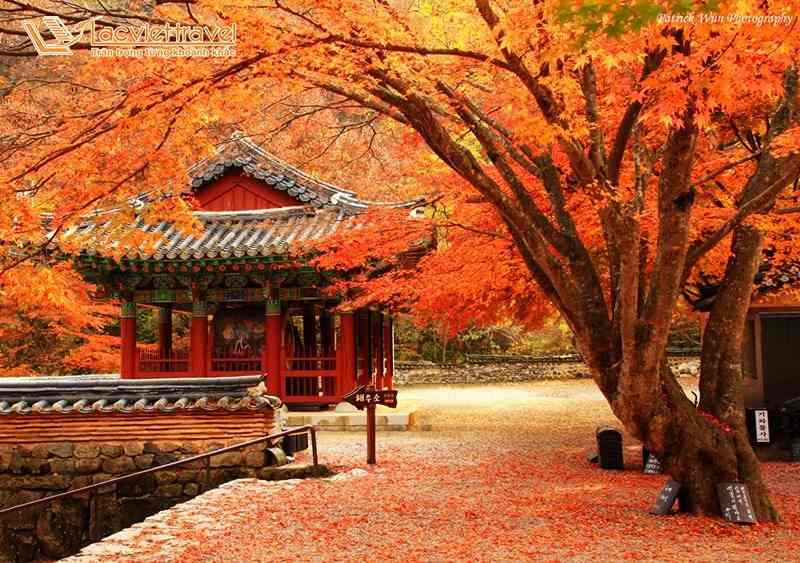
Autumn brings cool weather, with red and yellow leaves covering Namsan Mountain, Nami Island, and Seoraksan National Park, creating a movie-like scene. The air is dry, with temperatures ranging from 10-25°C, ideal for walking, taking photos, and enjoying festivals.
Attracting visitors with red leaf festivals, traditional markets, and autumn cuisine like songpyeon rice cakes and dried persimmons. Compared to the crowded spring or the frigid winter, autumn balances scenery, weather, and costs (airfare 8-12 million VND round trip, hotel 1-2 million VND/night). However, each season has its own charm, and the next section will explore the characteristics of each season to understand why autumn stands out.
>>> See more: Which Season is the Best for Traveling to Taiwan? For an Ideal Experience
Which season is the best for traveling to South Korea? It is the autumn with red leaves
Each season in South Korea is a unique brushstroke, from festivals to cuisine, offering unforgettable experiences. Below are the characteristics of each season, helping to determine the ideal time for traveling to South Korea.
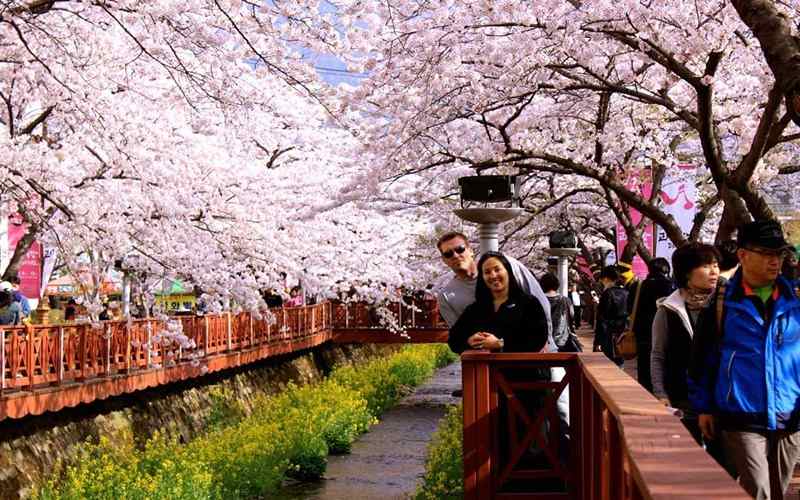
Spring is the song of blooming flowers, when cherry blossoms blanket Seoul, Busan, and Jeju Island in pink. Temperatures range from 5-20°C, with pleasant weather, perfect for strolling under the blossoms in Yeouido Park or at the Jinhae Cherry Blossom Festival. The golden flower paths and blooming canola flowers create a cheerful spring atmosphere. The spring flower festival in Gyeongju attracts thousands, with stalls selling sweet hotteok (20,000 KRW).
Spring cuisine features wild vegetable bibimbap (15,000 KRW) and cherry blossom tea (5,000 KRW). Spring is peak season, with airfare (10-15 million VND) and hotels (1.5-3 million VND/night) being expensive. Book early, avoid major festivals like Buddha’s Birthday (May) to save money. Spring is ideal for those who love flowers, festivals, and want to capture picturesque scenery.
In spring, cherry blossoms blanket Seoul in pink
Summer in South Korea is vibrant, though hot and humid with temperatures ranging from 20-30°C and the rainy season from late June to July. After the rain, the sun shines brightly, perfect for beach outings in Haeundae (Busan) or exploring lush Jeju Island. The Boryeong Mud Festival attracts young people, with mud games and lively music. Stalls selling Korean fried chicken (20,000 KRW) and cold naengmyeon noodles (12,000 KRW) help cool off.
Summer is the low season, with airfare (7-10 million VND) and hotels (1-2 million VND/night) being cheaper. Bring an umbrella, raincoat, and handheld fan for comfort. Summer is suitable for those who love the beach, festivals, and don’t mind the humidity, offering a youthful and dynamic experience.
Autumn, the best time for traveling to South Korea, is a painting of red and yellow leaves covering Gyeongbokgung Palace, Bukhansan Mountain, and Nami Island. Temperatures range from 10-25°C, with dry weather, ideal for walking through Everland Park or attending the red leaf festival in Seoraksan. The air is fresh, with gentle sunlight, making every corner of Seoul look like a romantic movie scene.
Autumn cuisine is rich with bulgogi (25,000 KRW), pumpkin porridge hobakjuk (10,000 KRW), and sweet dried persimmons. Autumn is peak season, with airfare (8-12 million VND) and hotels (1.5-2.5 million VND/night) needing to be booked in advance. The Chuseok festival (September or October) offers cultural experiences with traditional dances and rice cakes. Autumn is a wonderful season for photographers and nature lovers.
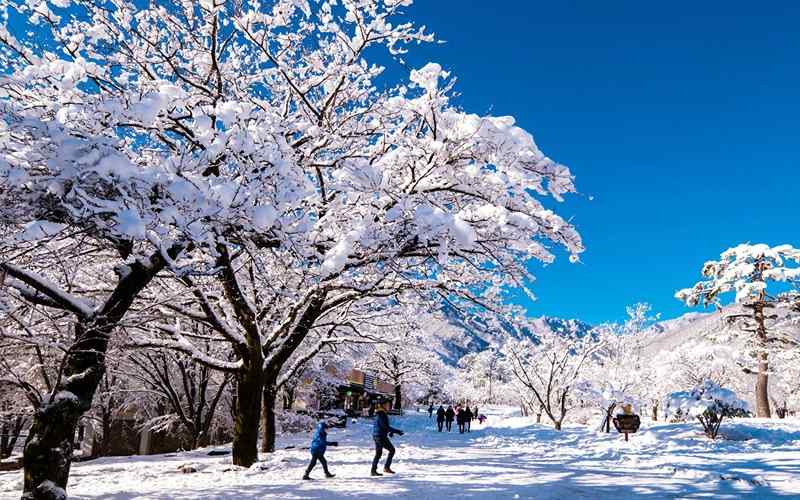
Winter transforms South Korea into a snowy wonderland, with temperatures ranging from -5 to 5°C, snow covering Seoul, Gangwon-do, and ski resorts like Yongpyong. Strolling through the brightly lit streets of Myeongdong during Christmas or soaking in an onsen in Osaek is a way to enjoy the cold. The Taebaek Snow Festival and Christmas market in Busan bring a warm festive atmosphere, with stalls selling gingerbread (5,000 KRW).
Winter cuisine warms the heart with spicy kimchi jjigae (12,000 KRW), hot tteokbokki (8,000 KRW), and ginger honey tea. Winter is the low season, with airfare (6-10 million VND) and hotels (800,000-2 million VND/night) being budget-friendly. Some shops close during the Korean New Year (Seollal, January or February), but temples remain open. Winter is ideal for those who love snow, skiing, and want to experience the peaceful side of South Korea.
Winter transforms South Korea into a snowy wonderland
To make your trip to South Korea in the best season perfect, here are some practical tips for each season:
Which season is the best for traveling to South Korea depends on each person's heart: spring with cherry blossoms, romantic autumn with red leaves, snowy winter, or vibrant summer. Autumn stands out with its scenery and perfect weather, but each season is a piece of the Korean Peninsula.
With the weather, seasonal characteristics, and practical tips, the trip will become an unforgettable love song. To plan perfectly for your trip to South Korea, visit nvktravel.com for detailed suggestions. Pack your backpack and let South Korea tell the captivating story of its four seasons!
Fill out the form and we will contact you