Language
Currency
Located in the land known as a place of talented people and great spirits, Den Do (Bac Ninh) is one of the prominent historical sites, attracting a large number of tourists both domestically and internationally. With its unique architecture and profound cultural value, this place is both a tourist attraction and a place to learn about the history and long-standing traditions of the Kinh Bac region.
Just about 20km from the capital Hanoi, Den Do is located in Dinh Bang Ward, Tu Son City, and is one of the typical historical-cultural sites of Vietnam. The temple was built in the early 11th century to commemorate 8 kings of the Ly dynasty, who contributed to the enlightenment of the nation, establishing the country and maintaining its integrity. They include:
Den Do is a historical relic that has existed for a long time.
>>> See more: Chua But Thap - The Sacred Imprint of Kinh Bac Culture
Den Do was built in 1030, shortly after King Ly Thai To moved the capital from Hoa Lu to Dai La (present-day Hanoi). According to historical records, when the king returned to visit his homeland, the people built a large house to welcome him. After the king passed away, King Ly Thai Tong had this place renovated into a shrine for his father, marking one of the oldest places of worship from the Ly dynasty.
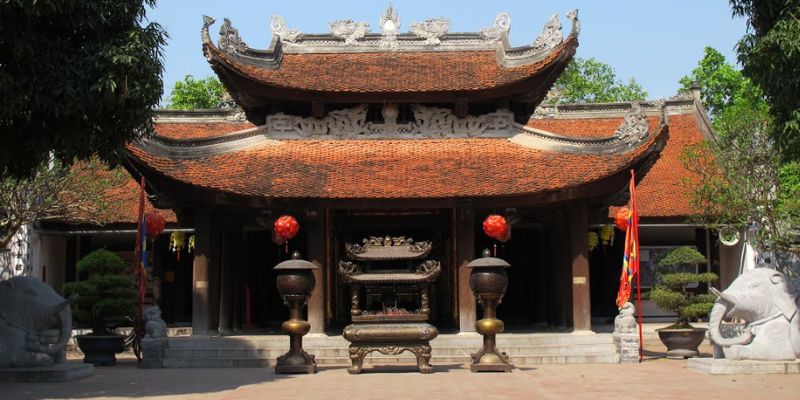
The temple's architecture largely remains intact to this day.
>>> See more: Chua Dau: The Buddhist Center Over 1800 Years in Kinh Bac
Den Do is not only an important center of worship but also an attractive destination for tourists who love culture and history. It can be said that this is a hallmark of a prosperous dynasty, containing countless events of the nation. Moreover, the temple is also a place for worship activities, offerings, reflecting the beauty of culture and beliefs, and the identity of the Vietnamese people.
Thanks to its invaluable cultural and historical value, in 1991, Den Do was recognized by the state as a historical-cultural relic under Decision No. 154 of the Ministry of Culture, Sports and Tourism. Following this important milestone, in 2014, Den Do was officially upgraded to become a Special National Historical Site, affirming its prominent position in the system of historical relics of the country.
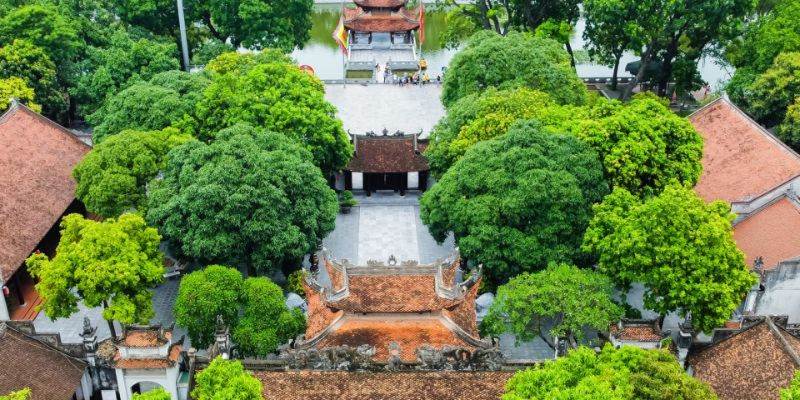
With an area of over 31,000 m2, the temple is divided into two main areas: the inner city and the outer city. Each area possesses historical and artistic structures of significant value. The inner city includes key structures such as Co Phap Temple, the front worship house, the rear worship house, the stele house, the left worship house, and the right worship house. The outer city is highlighted by the Ban Nguyet Lake, the Water Pavilion, the Literature Pavilion, and the Martial Arts Pavilion.
The temple is divided into two areas: inner and outer city.
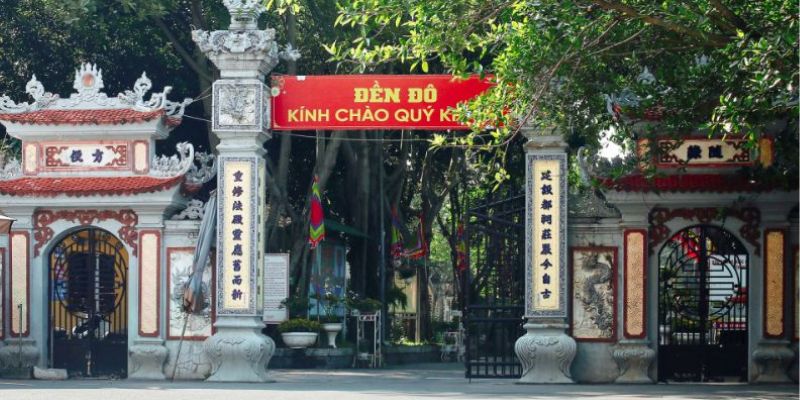
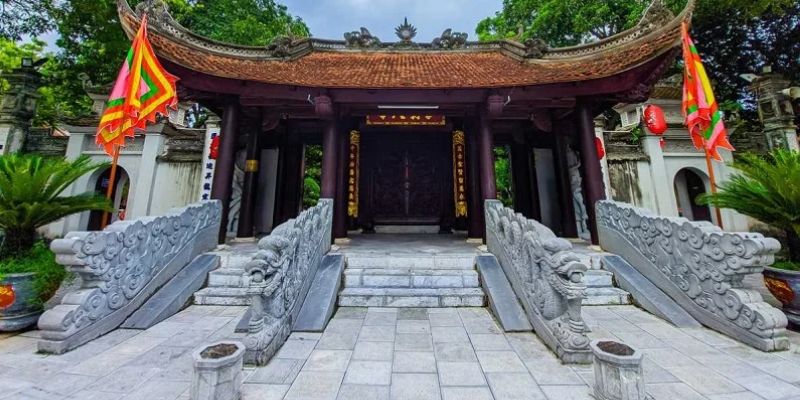
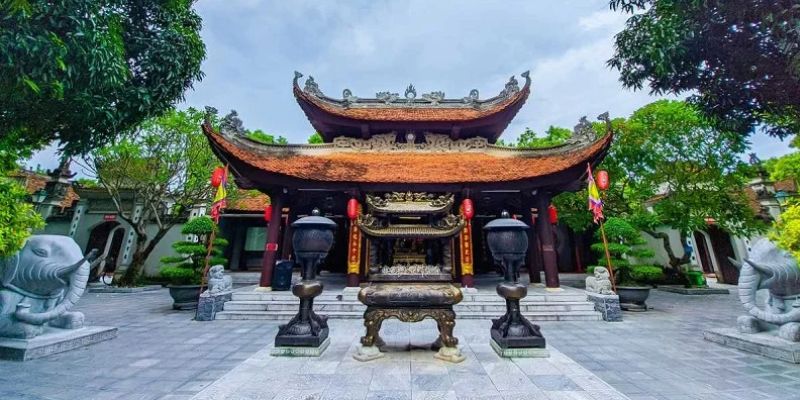
The first highlight when entering is the majestic Ngu Long Gate with its dragon carvings, symbolizing the prosperous fate of the Ly dynasty. Through the gate is a spacious temple yard, where the incense burner is placed facing the Phuong Dinh house, the shrine of King Ly Thai To. The space is filled with the fragrant smoke of incense year-round, reflecting the deep respect of the people for the king who founded the dynasty.
Ngu Long Gate with exquisitely carved dragon architecture.
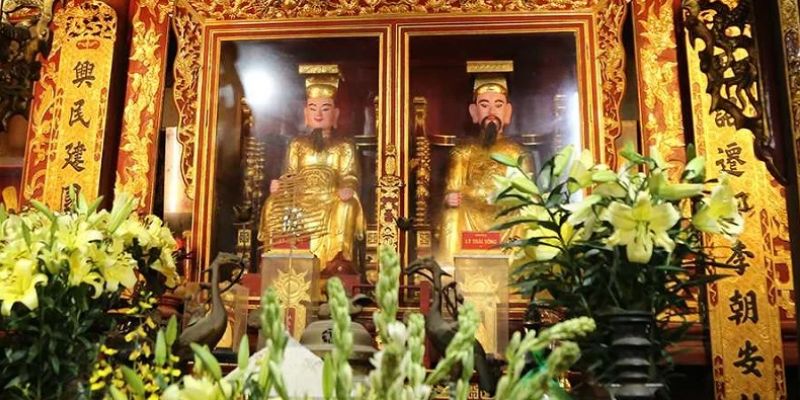
This is the sacred center of Den Do, where the 8 kings of the Ly dynasty are worshipped. Inside the main shrine, there is a replica of the famous edict of moving the capital by King Ly Thai To and the first declaration of independence by Ly Thuong Kiet. The rear shrine houses the main altar of the kings, showcasing majesty and solemnity.
The main shrine is the sacred place, the center of the entire temple complex.
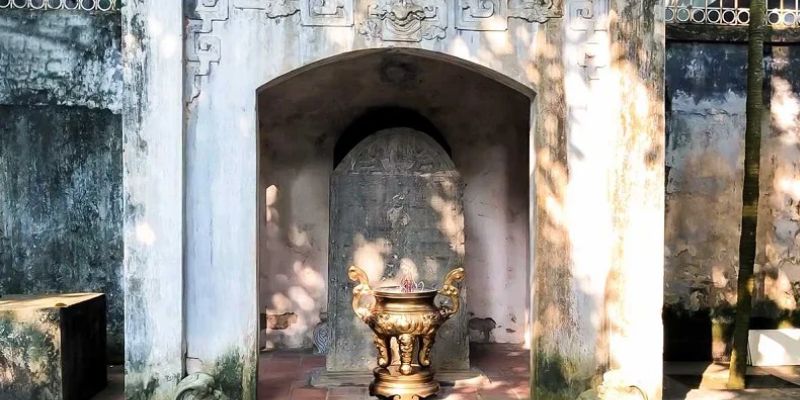
Located in the eastern part of the courtyard, the Co Phap Stele House is a valuable historical relic, recording the process of building and restoring Den Do over many centuries. The stele is nearly 2 meters high and over 1 meter wide, intricately decorated with the image of two dragons worshipping the moon on the stele's forehead.
The Co Phap Stele records the merits of the Ly dynasty.
Including the front worship house, the house for the worship palanquin, and the house for the worship horse, Chuyen Bong House attracts attention with its 8-roof, 8-curved architecture, bringing a feeling of both majesty and elegance. This is where important rituals take place during festivals, reflecting the deep respect of the people for the kings of the Ly dynasty.
Chuyen Bong House worships two kings: Ly Thai To and Ly Thai Tong.
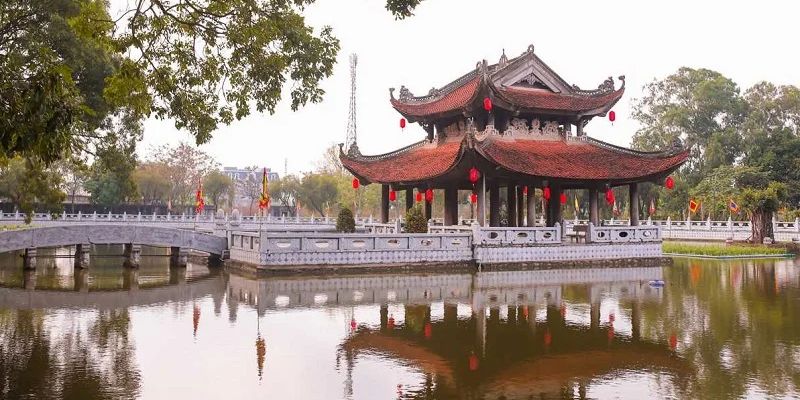
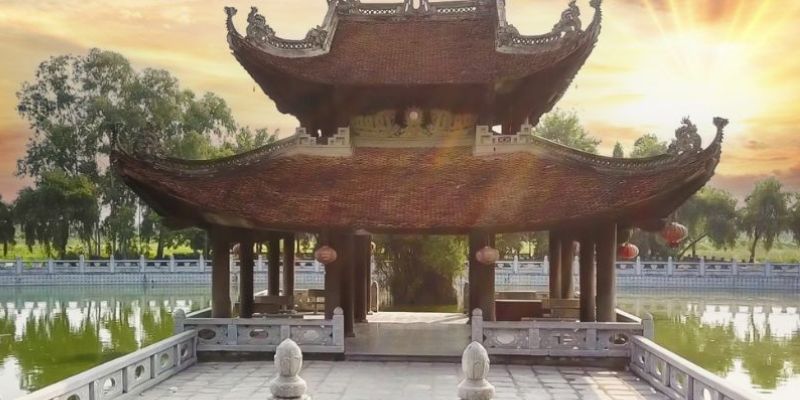
Located by the Ban Nguyet Lake, the Water Pavilion is a 5-room wooden house with 8 roofs and 8 curved eaves, intricately carved, exuding a delicate and gentle beauty. Previously, the Water Pavilion was where court officials enjoyed water puppet shows, creating a vibrant cultural space. It also contributed to enriching the folk artistic life within the temple grounds.
The Water Pavilion area blends with nature.
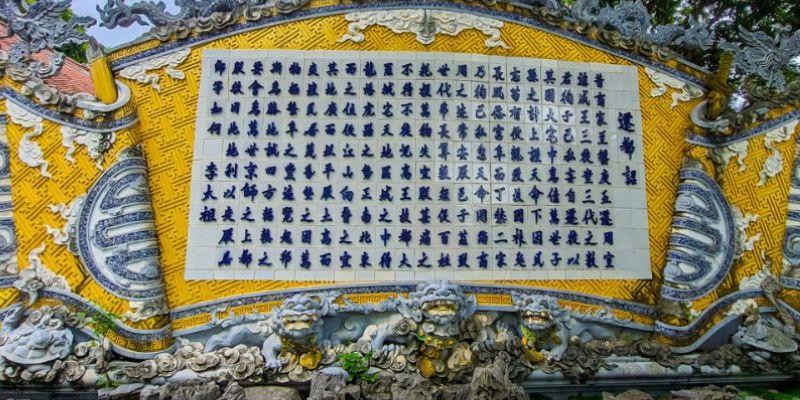
Placed in the right front hall, the Scroll of the Edict of Moving the Capital made of Bat Trang ceramics is an impressive highlight of the temple. With a length of over 8m and a height of 3.5m, this is the largest scroll in Vietnam, embossed with Chinese characters recording the full text of the edict of moving the capital by King Ly Thai To.
The scroll is made of Bat Trang ceramics.
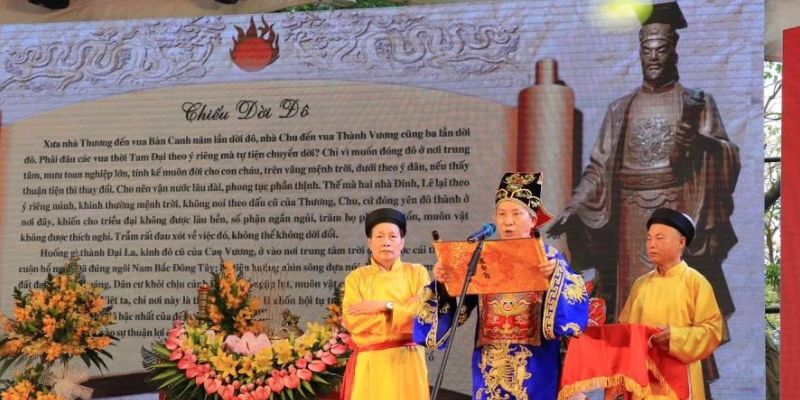
If you want to fully experience the culture of Den Do, the time of the festival from the 14th to the 16th of the third lunar month each year is the ideal choice. This is when the temple is adorned with vibrant colors, bustling with traditional rituals from palanquin processions, offerings to incense burning. All reflect the deep respect of the people for the kings of the Ly dynasty.
The Den Do festival is an attractive cultural rendezvous, attracting thousands of tourists from afar. Visitors here will have the opportunity to immerse themselves in the sacred atmosphere, enjoy unique folk art performances, explore the cultural life of Kinh Bac, and taste traditional dishes rich in local identity.
The third lunar month is the most ideal time to visit the temple.
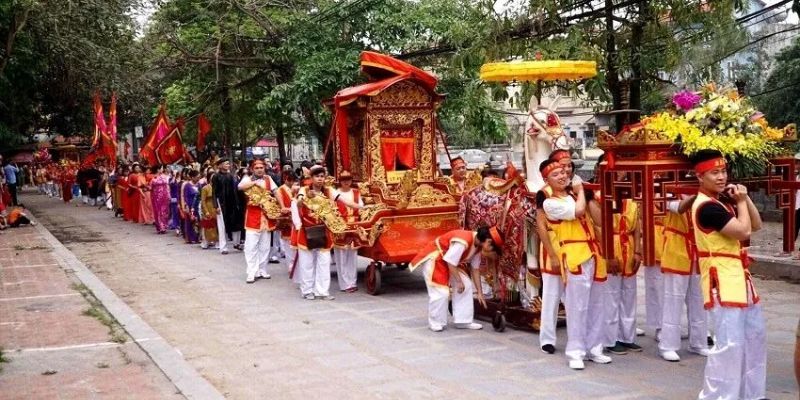
The procession of the Den Do shrine takes place at 7 AM on the 15th day of the 3rd lunar month each year, marking an important highlight in the series of festival events. The procession starts from the Ung Tam pagoda in Dinh Bang ward and then moves towards the shrine.
The procession includes 1 Long ding, 1 mother palanquin, and 9 king palanquins, led by lion and dragon dances. Following them are large flags with the words "Dai Viet" and eight large flags bearing the word "Ly", along with a solemn ceremonial team.
With every step and every ritual, the essence of Vietnamese culture shines through, reminding us of the tradition of honoring the great kings of the Ly dynasty and the deep gratitude of the people. This event attracts thousands of locals and tourists, creating a scene that is both sacred and lively, unforgettable.
The procession ceremony is rich in traditional cultural elements.
Alongside the solemn rituals, the Den Do festival offers a diverse entertainment and cultural space. Visitors can enjoy the sweet melodies of Quan ho Bac Ninh folk songs right at Thuy Dinh. From there, one can feel the essence of Bac Ninh's countryside through traditional folk music.
The festival also includes folk games such as wrestling, human chess, and Chinese chess, as well as cultural culinary experiences like cooking clay pot rice and wrapping phu the cakes,... Additionally, the exhibition of ornamental creatures and local specialty stalls creates a lively festival scene, both joyful and rich in cultural value.
The opening of the Den Do festival features many activities.
However, Den Do always attracts visitors at any time of the year. The shrine remains open to welcome tourists, providing a serene and majestic space with picturesque natural scenery. This is an ideal place for you to learn about history while enjoying tranquility and reflecting on the long-standing cultural values of the Kinh Bac region.
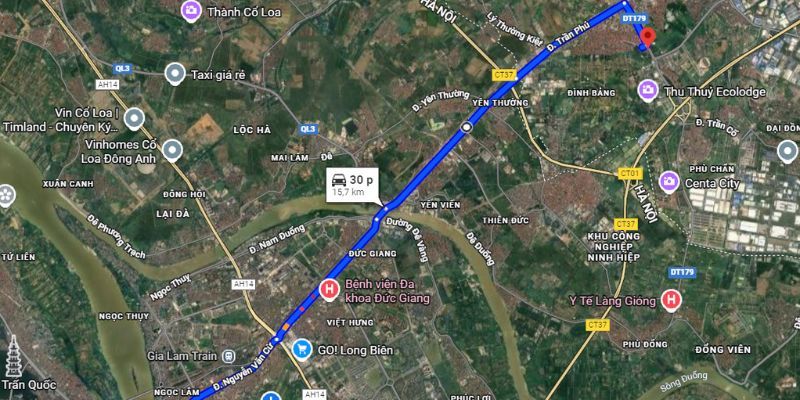
The route for tourists to Den Do from the center of Hanoi is about 20-30km. The specific itinerary is as follows:
If traveling from the center of Bac Ninh city, the distance is only about 13-15km. Visitors should head along National Route 1A towards Hanoi, and when reaching Tu Son, turn into Dinh Bang ward. The route is convenient for both cars and motorbikes; additionally, tourists can choose bus routes and then take a taxi or motorbike taxi as they get closer.
Suggested route to Den Do shrine.
Den Do is a vivid testament to the history and culture of Bac Ninh, as well as a place that preserves the essence of architectural art and Vietnamese folk beliefs. Let NVK Travel accompany you in exploring the mysteries, beauty, and unique culture through the journey.traveling in Bac Ninh.. Book a tour today so that each trip becomes a memorable, complete journey filled with exciting experiences!
Fill out the form and we will contact you