Language
Currency
Thanh Luong Pagoda is a unique spiritual destination, notable for its architecture built from coral and rare coconut shells. Not only does it possess a serene beauty from nature, but the pagoda also attracts many visitors seeking to worship and experience the peaceful, sacred atmosphere. In the following article, let's explore this famous pagoda with NVK Travel.
Thanh Luong Pagoda is located in My Quang Nam village, An Chan commune, Tuy An district, Phu Yen province (now part of Tuy An Nam commune, Dak Lak province). This location is only about 500m from the beach, providing a tranquil and cool space.
The scenery of Thanh Luong Pagoda
>>> See more: Nhan Tower Phu Yen: The Enduring Cultural Symbol of Cham Pa
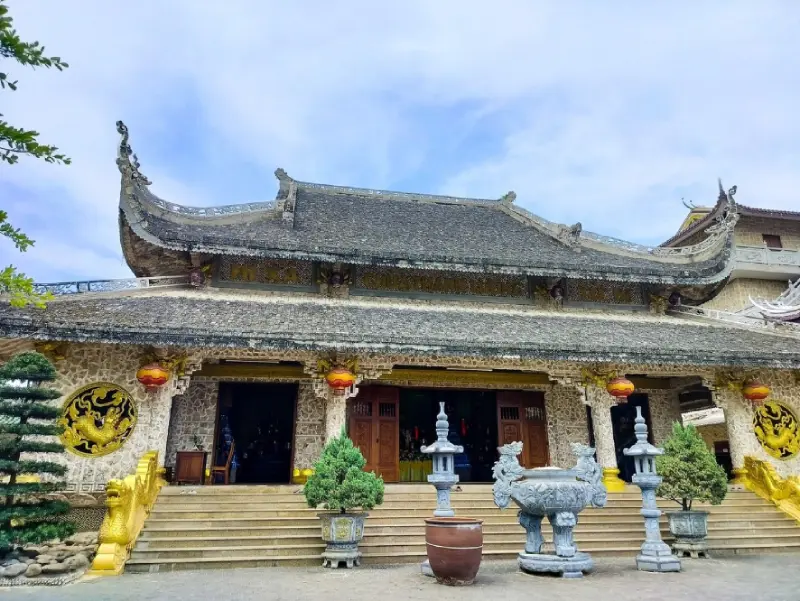
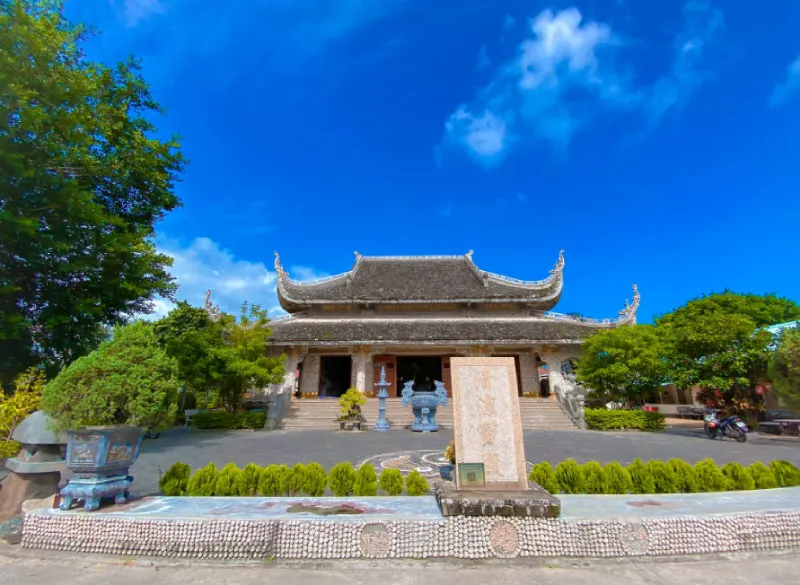
The pagoda is constructed from coral and coconut shells, creating a unique architectural style that has endured through many phases over time. With its rustic and sacred beauty, it has become one of the special stops on the Phu Yen travel journey, reminiscent of the land of "yellow flowers on green grass."
According to the elders in My Quang Nam village, Thanh Luong Pagoda in Phu Yen was built in 1956. This land was previously called Ma Linh Ma Lien, and in the 1960s it was renamed My Quang, and in 2003 it was divided into two villages, My Quang Bac and My Quang Nam.
The pagoda is a famous spiritual tourism destination
>>> See more: Van Hoa Plateau Phu Yen - A Collection of Travel Experiences
Since 2003, Venerable Thich Quang Ngo has been serving as the abbot. Initially, the pagoda was quite simple, mainly serving the local people. From 2004, it became more well-known to many tourists thanks to a special statue of Quan The Am that was salvaged by fishermen when it drifted into the sea.
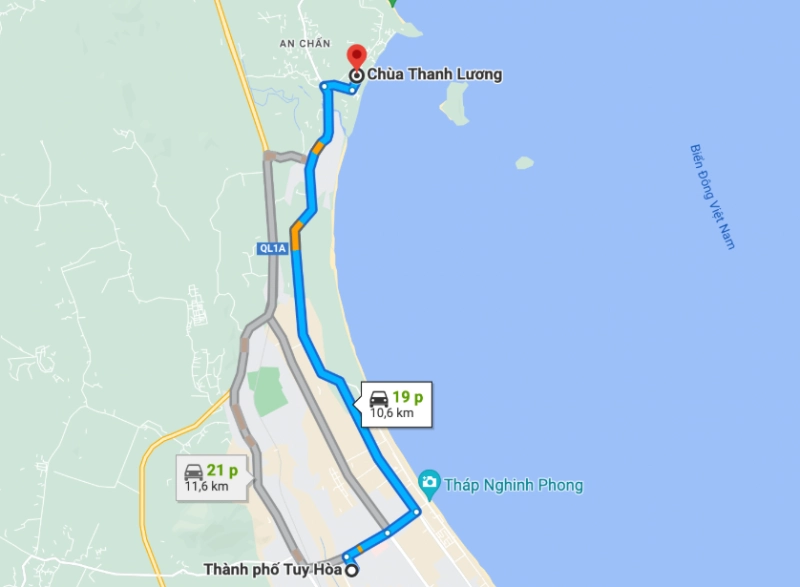
To get to Thanh Luong Pagoda, visitors can follow Google Maps or ask local residents for directions. Since it is only about 10 km from Tuy Hoa city, the route to the pagoda is relatively easy.
The route to the pagoda is convenient for easy travel
There are 2 ways to travel as follows:
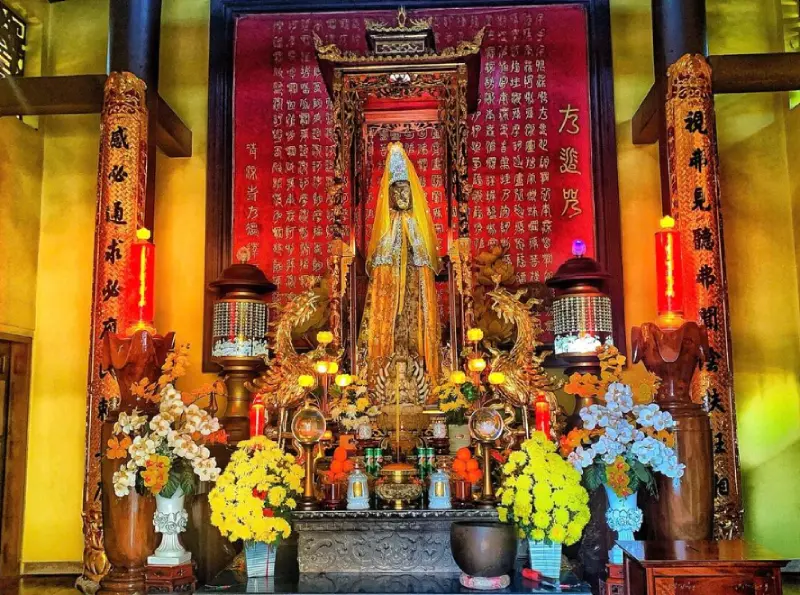
The most intriguing aspect of the pagoda that attracts many tourists is the story of the mysterious statue of Quan The Am that is placed here. Although the exterior of the statue is no longer intact, its standing posture has been preserved by the pagoda until now. Notably, since the statue's arrival, the pagoda has increasingly attracted more visitors from near and far.
The mysterious legend of the statue
According to the abbot of the pagoda, on the morning of December 24, 2003, a statue of Quan The Am drifted ashore at Dua Beach. The statue was standing and wedged between two cliffs, discovered by local fishermen who reported it to the pagoda.
The statue of Quan Am at the pagoda
The pagoda requested permission from the local authorities and mobilized forces to properly bring the statue back according to the rituals. However, despite the manpower, they could not move the statue to the pagoda. Until the abbot personally brought the statue back, a large wave came in to help bring the statue ashore.
After bringing the statue back to the pagoda, the abbot decided to start renovating the landscape. This further attracted visitors to the pagoda. Many foreign tourists also learned about this mysterious story and wished to come to worship and visit.
The pagoda's space is rustic and peaceful
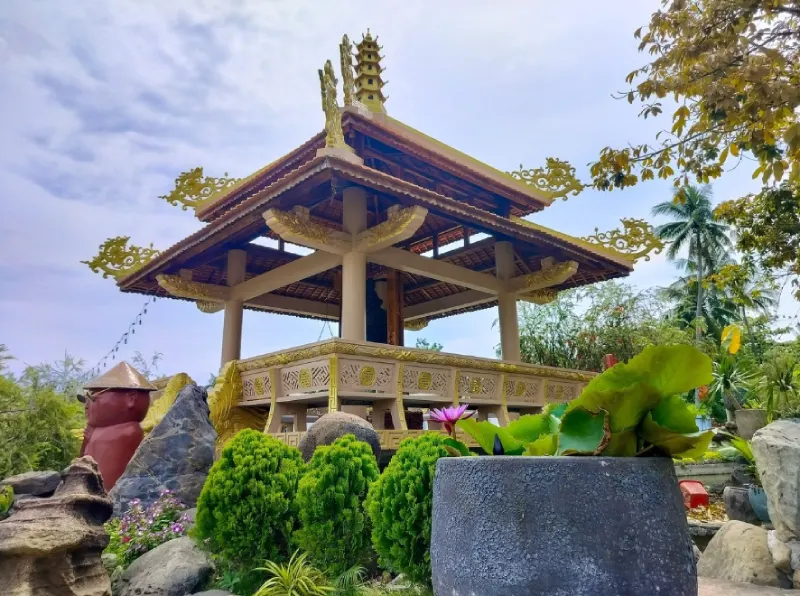
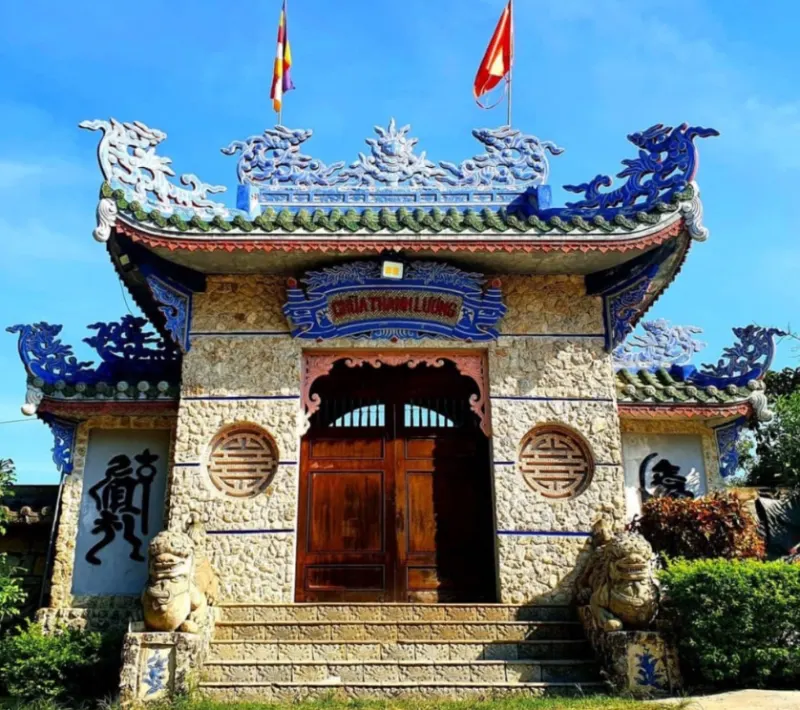
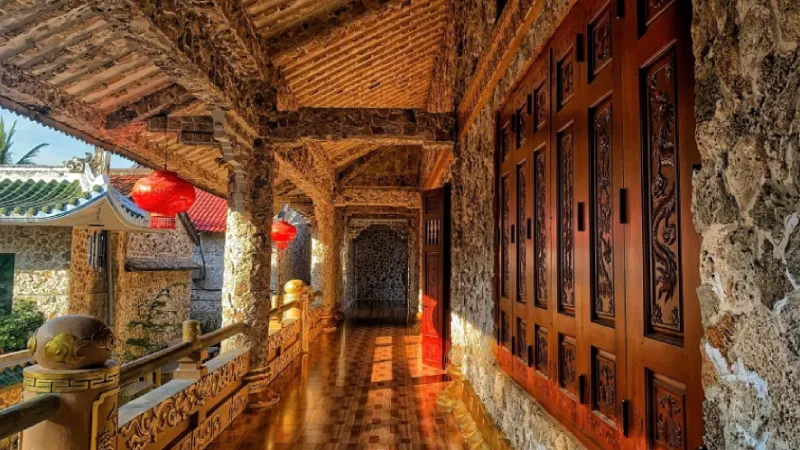
Since the Quan The Am statue was restored, the pagoda has gradually become a famous pilgrimage site and has been renovated with many items such as the Tam Quan gate, meditation hall, Long Thuy lake, and Quan Am shrine. The main hall and the ancestral altar have a spacious area of nearly 1,000 m2, covered with a roof, and decorated entirely with coconut shells and coral. These are familiar materials associated with the daily life of the local people.
The discarded coral blocks are meticulously gathered and carved into wave shapes and the swastika symbol. Additionally, coconut shell pieces are cleverly assembled and attached to the walls to replace wood, creating a rustic and sacred space.
Unique architecture built from coconut shells and coral
Passing through the pagoda gate, you will encounter a gentle statue of Buddha Di Lac, followed by a stone garden. The entire landscape of the pagoda is hidden under the canopy of ancient trees, creating a peaceful and airy atmosphere.
The highlight of the pagoda's scenery is the harmony between nature and the soul, making it a tranquil destination in many people's travel journey to Phu Yen. Especially, the pagoda is also being invested in building a dormitory for people to come to avoid storms and learn short-term meditation courses.
The pagoda's landscape is lush and cool
The surroundings of the pagoda also exude tranquility with many lush green trees, to the east bordering the sea, and to the west stretching sandy hills, creating a picture that is both serene and poetic. Thanks to the cool climate year-round, this place has become an ideal stop for those seeking tranquility in their souls. Notably, the pagoda also features a Buddhist space, a tea ceremony area, and unique souvenirs.
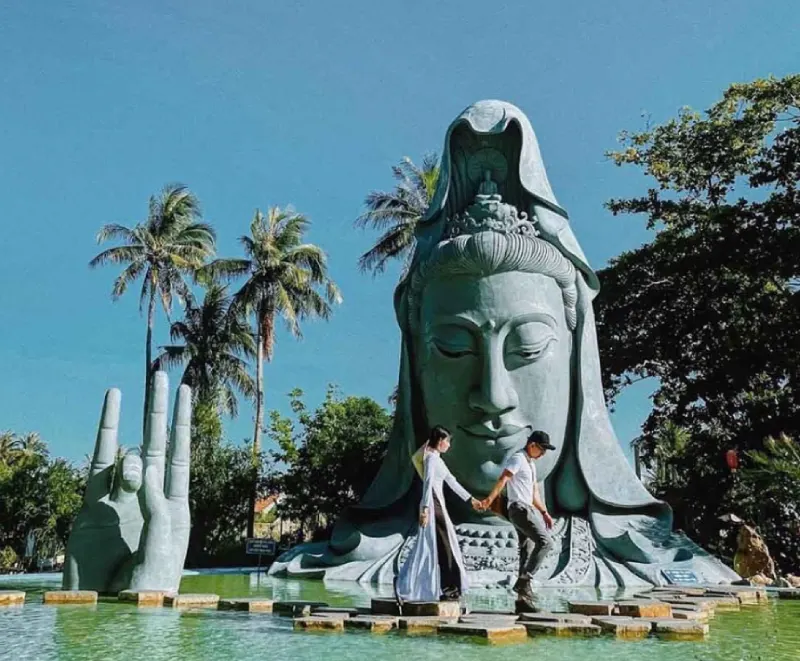
The pagoda has many beautiful photo spots
Thanh Luong Pagoda is also a must-visit place for photography enthusiasts. Any corner here can create an impressive background for your check-in.
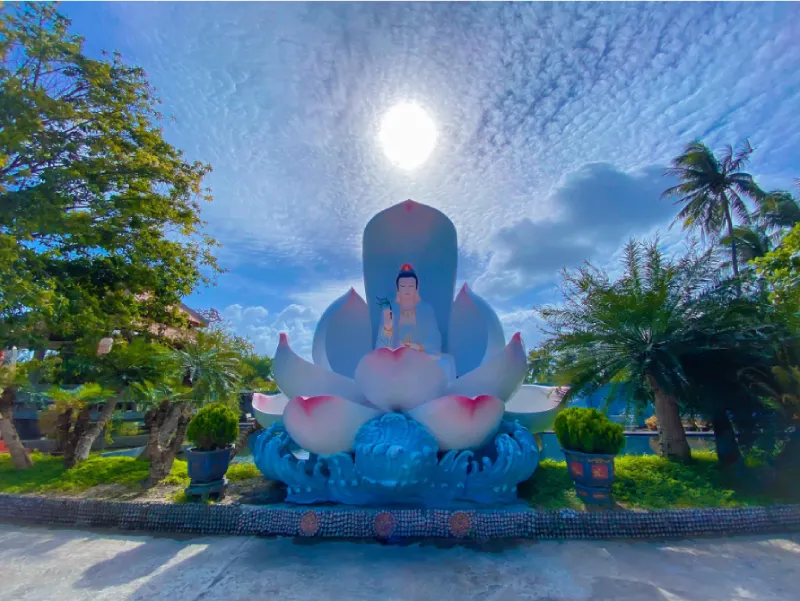
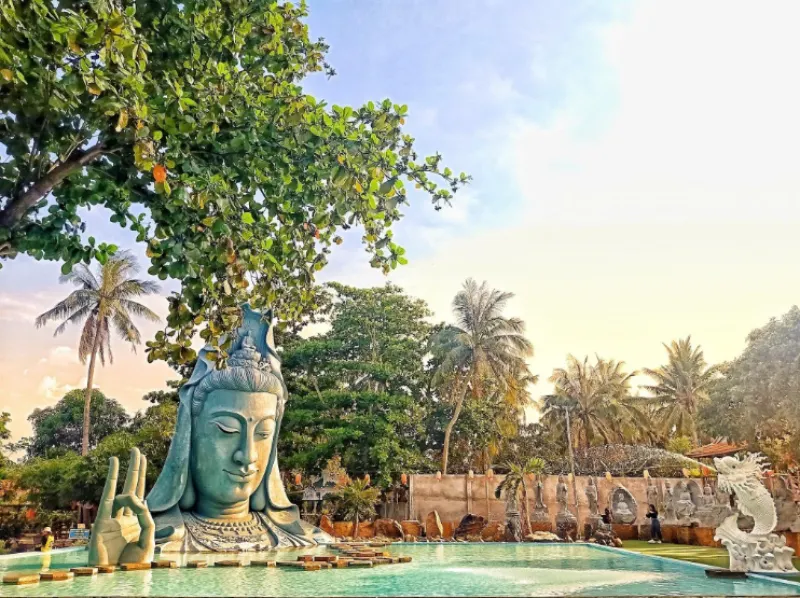
Among them, the lake with the smiling statue of the Bodhisattva and the hand rising above the water is a photo spot loved by many. Visitors just need to prepare a modest outfit, a phone, and a fully charged camera to freely take pictures.
Some important notes for visitors when visiting the pagoda
To ensure a smooth and safe trip exploring Thanh Luong Pagoda, visitors should pay attention to the following:
If you have the chance to set foot in Phu Yen, be sure to visit Thanh Luong Pagoda. For a smooth trip, contact NVK Travel for our advice on all-inclusive tours to Phu Yen at special prices.
Fill out the form and we will contact you