Language
Currency
Clay Pagoda is one of the most famous and unique pagodas in Soc Trang. It leaves a strong impression with thousands of statues handcrafted from clay along with many extraordinary spiritual treasures. Not only does it hold profound cultural and spiritual value, but the pagoda also attracts visitors with its eye-catching architecture and meaningful historical stories.
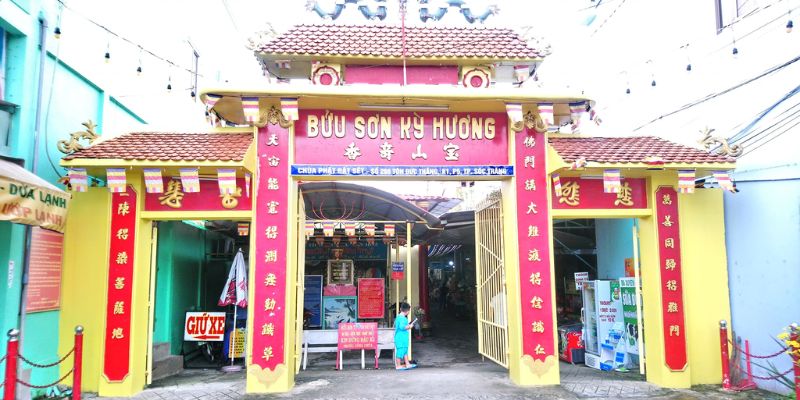
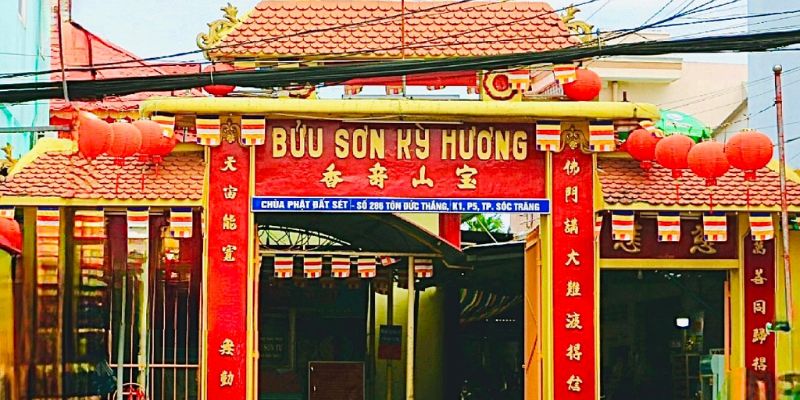
Clay Pagoda, also known as Buu Son Tu, is one of the most unique spiritual destinations in Soc Trang province. The pagoda is located at 286 Ton Duc Thang Street, right in the center of Soc Trang city, in the lower Mekong River region. This place is known as the "land of golden pagodas" with hundreds of large and small religious structures. On December 10, 2010, the pagoda was recognized as a provincial Historical - Cultural relic, marking its special value in local culture and beliefs.
Clay Pagoda is one of the prominent relics in Long An
>>> See more: Chen Kieu Pagoda Soc Trang - Architecture Rich in Khmer Culture
When stopping at Buu Son Tu, visitors have the opportunity to learn more about the spiritual life of the people of Soc Trang as well as experience a uniquely cultural space. Unlike the modest, unassuming, and less grandiose appearance of Som Rong Pagoda or Four Faces Pagoda, what makes Clay Pagoda famous is the thousands of statues, treasures, and offerings crafted entirely from clay.
These works are meticulously shaped, reflecting the creativity, deep faith, and skilled hands of many generations of artisans. It is these special artifacts that have given the pagoda its familiar name "Clay Pagoda." At the same time, this also helps it become an unmissable stop for tourists who love exploring culture, history, and folk art.
The unique pagoda with clay artworks
>>> See more: Discover History Falling Pagoda And Explore Unique Features
According to the elders in the area, Buu Son Tu was initially just a small shrine built by Ngo Kim Tay in the early 19th century as a place for meditation. At that time, the shrine was made from simple materials like bamboo, rushes, and thatch. After many years, during the fourth abbot Ngo Kim Tong's tenure (1909-1970), the small shrine was expanded, renovated, and gradually became the spacious pagoda it is today.
The journey of this monk is also associated with a mysterious oral story. He was the son of Ngo Kim Dinh, who had been ill since childhood, weak in body, and had not recovered after long treatment. In 1929, when he was only 20 years old, his condition worsened, leaving his family in despair, and they had no choice but to take him to the pagoda on the mountain to pray for the Buddha's blessing.
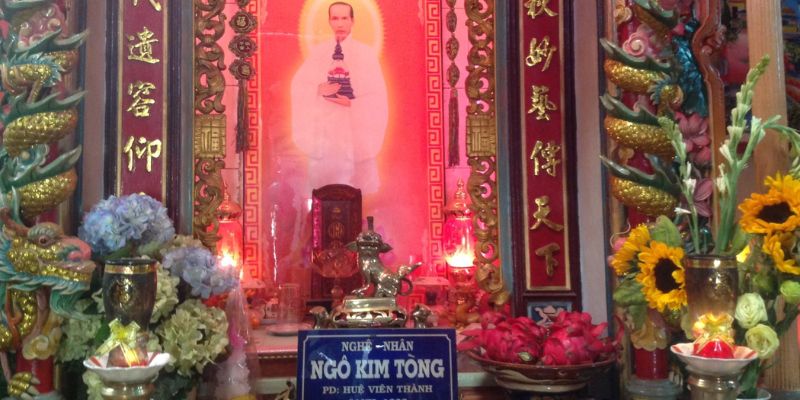
The creator of these artistic values is monk Ngo Kim Tong
A miracle occurred when, during the process of taking medicine combined with meditation, his body gradually recovered. After regaining his health, he decided to shave his head and become a monk, later becoming the fourth abbot of Clay Pagoda. Not only was he instrumental in the restoration of the pagoda, but monk Ngo Kim Tong was also famous for personally creating the entire system of clay statues in the pagoda.
Nestled in the peaceful rhythm of Soc Trang city, Clay Pagoda has long been a familiar pilgrimage site for local people and tourists alike. It does not flaunt a glamorous appearance or magnificent architecture, yet the pagoda still creates a unique charm. This is thanks to its simple, tranquil beauty along with profound spiritual - cultural values preserved through many generations.
The distinctive architecture of the pagoda reflects Southern culture
From a distance, Clay Pagoda has a simple, tidy appearance, not ostentatious like many other large pagodas. The Tam Quan gate is built solidly, with tiled roofing, evoking a solemn atmosphere.
The layer of bricks and tiles at the front breathes modernity, while the interior retains the old charm with original wooden structures. This blend of old and new makes the pagoda's architecture more interesting and relatable to the local people.
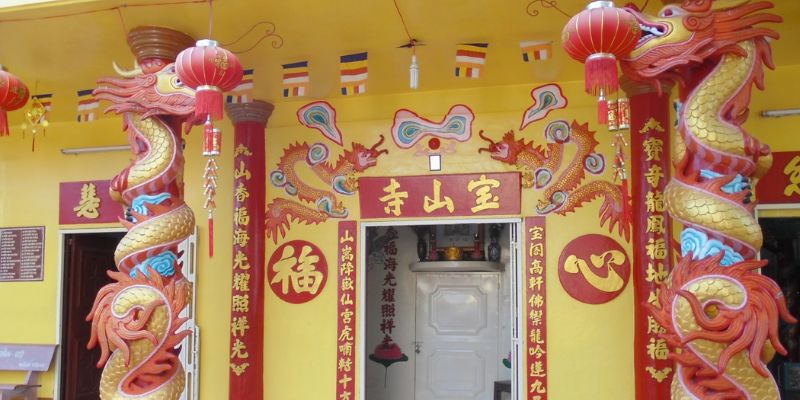
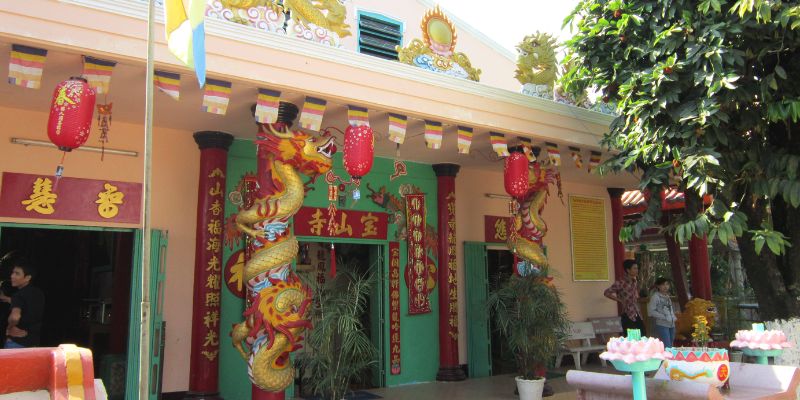
The pagoda's roof consists of two layers, with the upper layer pointed like a pyramid, and the lower layer extending outward as if welcoming distant guests. The walls of the pagoda are made from wooden planks, with the frame entirely made of traditional wood. Notably, right in front of the pagoda are large columns completely made from clay, a surprising sight for anyone visiting.
The pagoda, when viewed from the outside, stands out with its bright red tiled roof
Going deeper into Clay Pagoda through the Tam Quan gate and along the small concrete path beside the pagoda, visitors will encounter a majestic white elephant statue about 2 meters tall standing guard. The elephant statue is also made from clay, signaling the journey to explore a world full of wonders inside the pagoda.
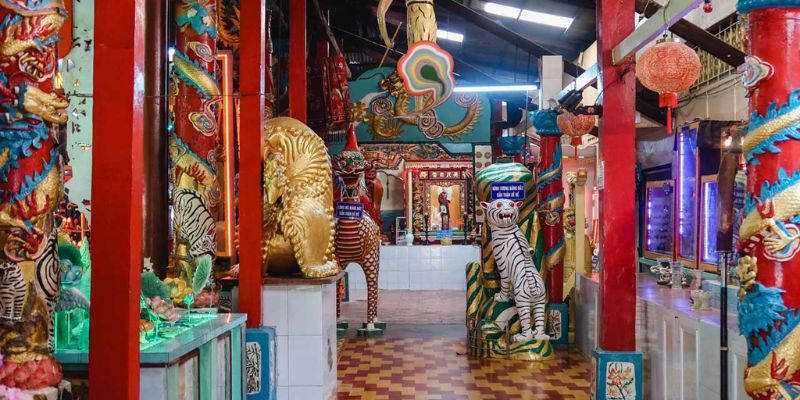
What makes Clay Pagoda stand out is that all 24 columns in the pagoda and hundreds of statues are made from clay. All were crafted by monk Ngo Kim Tong by hand. From the phoenix and dragon patterns to decorative motifs, they all exhibit exquisite beauty, reflecting the meticulousness and reverence of the sculptor.
The pagoda's columns are all made from clay
Wandering around the pagoda, visitors will see a small grave on the side. This is the resting place of monk Ngo Kim Tong. The gravestone is inscribed with the words "Ngo Kim Tong phap an trinh toan tam," expressing the gratitude of the Buddhists towards the master who dedicated his life to creating this unique pagoda. The premises also contain many small shrines dedicated to Ong Ho, Ong Ta, as well as altars for Thien Phu, Dia Mau,... contributing to a rich spiritual space.
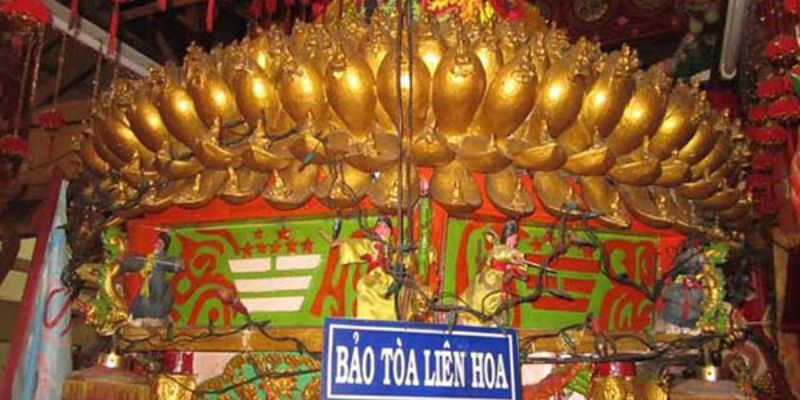
In the center is the statue of Bao toa thinh Phat tru the truyen thap luan (Lotus Throne). This structure is intricately crafted with nearly 1,000 lotus petals, each petal being the abode of a deity. Beneath the lotus pedestal is the "Bat quai Thien tien" consisting of eight palaces (Can, Kham, Can, Chan, Ton, Ly, Khon, Doai), each palace has two celestial maidens attending. At the bottom are the Four Great Heavenly Kings tasked with guarding the four directions.
Bao toa thinh Phat tru the truyen thap luan
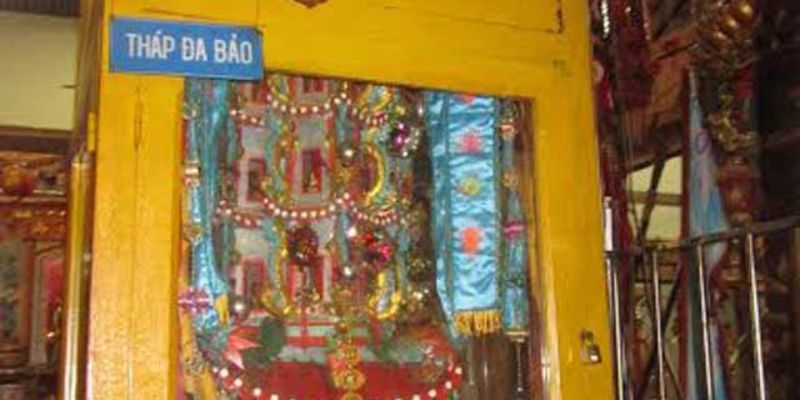
One of the most outstanding masterpieces at the pagoda is Da Bao Tower, built by monk Ngo Kim Tong in 1939 when he was 30 years old. The tower is about 4 meters tall, consisting of 13 floors, each floor having 16 doors. In total, the tower has 208 doors and 208 Buddha statues, all intricately and uniformly shaped to astonishing perfection.
Surrounding the tower are 156 clay dragons twisting as if flying up to the sky, symbolizing protection. Additionally, there is a six-dragon lamp consisting of three large peaks, seven small incense burners, and various mythical creatures such as Kim Lan, Thanh Su, Bach Ho, Bach Tuong, Long Ma,...
Da Bao Tower has a total of 208 doors equivalent to 208 Buddha statues
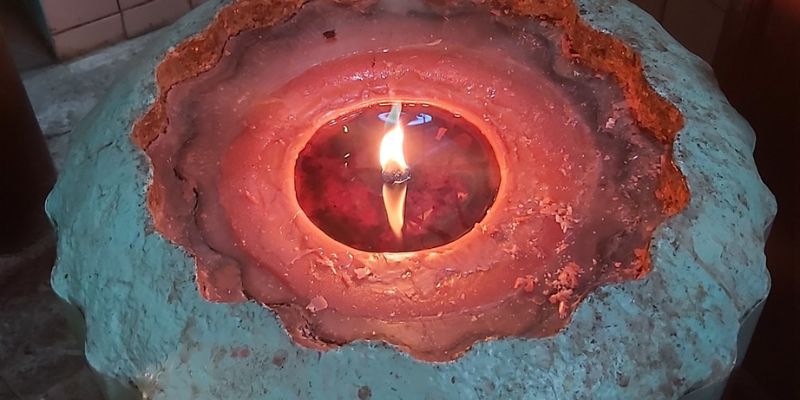
Another special feature of Clay Pagoda is the four pairs of giant candles made by monk Ngo Kim Tong in his later years. Each pair weighs up to 200kg, stands about 2m tall, and is handcrafted with a special structure, capable of burning continuously for over 70 years.
In addition, there are smaller candles weighing about 100kg, with a burning time of over 40 years. Since the monk passed away, every year on the full moon of the seventh month, Buddhists light these candles, and to this day, the candle has only burned down 1/5.
The pairs of candles are lit on the full moon of the seventh lunar month
Clay Pagoda is located on Ton Duc Thang Street, one of the main roads in the center of Soc Trang city, so finding the way here is quite convenient. Since the pagoda is near famous spiritual sites like Kh'leang Pagoda, La Han Pagoda,... tourists often combine visiting multiple locations in one trip to save time.
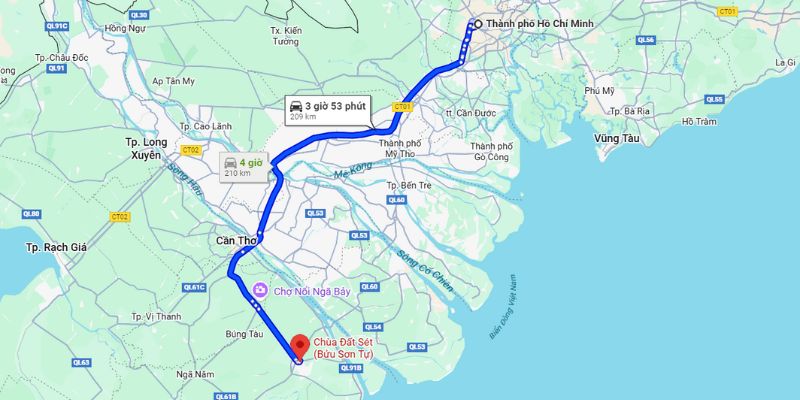
If departing from downtown Ho Chi Minh City, you should head towards the outskirts and enter the Ho Chi Minh City - Trung Luong Expressway (CT.01). This is a modern expressway, convenient and fast, helping to shorten travel time to the western provinces.
Continue traveling along the expressway to Tien Giang province, then enter National Route 1A and cross the provinces of the Mekong Delta. Following QL1A, you will get closer to Soc Trang city. When entering the city center, look for Ton Duc Thang Street, number 286.
The travel route to the pagoda for tourists to refer to
Clay Pagoda is an impressive spiritual destination in Soc Trang, where visitors can also admire unique cultural - artistic values.The journey to Soc Trang will become easier, more convenient, and more complete when you accompany NVK Travel with special tour offers. Let NVK Travel guide you, turning your temple visit into an unforgettable exploration journey.
Fill out the form and we will contact you