Language
Currency
Stretching from North to South, Vietnam is not only famous for its diverse natural landscapes but also possesses a long-standing system of traditional craft villages. Over hundreds of years of development, these craft villages have become places that preserve the essence of culture, craftsmanship, and the identity of each region. From ceramics, silk weaving to weaving and processing specialties, each product bears the mark of the artisan's hand and the historical story behind it. Discover the traditional craft villages in Vietnam is therefore not only about understanding the crafts but also a journey to touch the depths of Vietnamese culture.
Traditional craft villages are understood as communities of residents concentrated in a locality, where many households participate in the production of a craft that has existed for a long time and has been passed down through many generations. According to current regulations, to be recognized as a traditional craft, that craft must have existed for at least 50 years, creating products that carry cultural identity and are associated with the names of artisans or localities.
In Vietnam, the system of craft villages is quite rich. Many statistics show that the country has thousands of craft villages, of which more than a thousand traditional craft villages are currently operating, providing jobs for millions of rural workers.
Not only are they places of production, but craft villages are also special cultural spaces. There, the secrets of the profession, craftsmanship techniques, and the customs of the community are preserved and passed down through many generations.
Craft villages in Vietnam were formed very early, with many places having histories of hundreds of years. In ancient agricultural society, when the harvest season ended, people often took advantage of their free time to develop crafts such as weaving, pottery making, bronze casting, or weaving.
Gradually, these crafts became the main source of income for the entire village and formed famous production centers. Many craft villages are also associated with legends about the ancestors of the craft – the first people who taught the techniques and were revered by the locals through generations.
Through historical upheavals, wars, and urbanization, many craft villages have still endured. This shows the strong vitality of traditional crafts as well as the love for the profession of artisans.
Across the country, there are many famous craft villages associated with each cultural region. Each place has its own characteristics in terms of materials, techniques, and product styles.
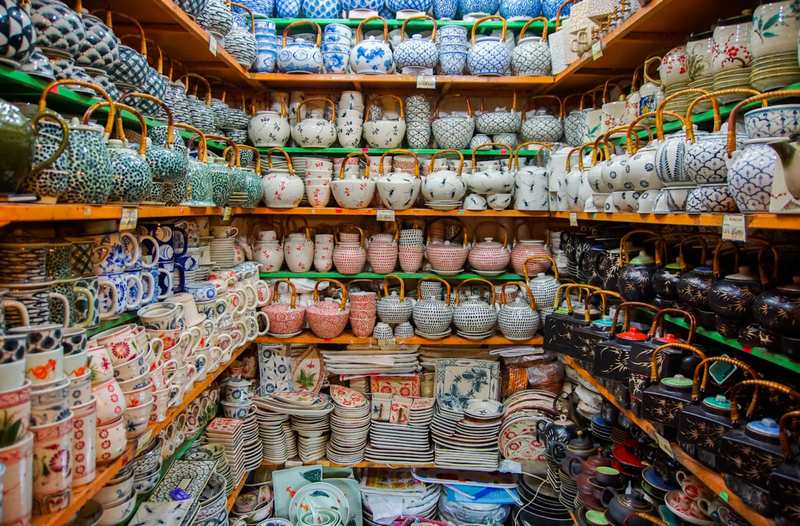
Bat Trang Pottery Village, located by the Red River, in Gia Lam District (Hanoi), is one of the oldest and most famous pottery villages in Vietnam. The pottery craft here has existed for hundreds of years, with products ranging from household items, worship items to high-end decorative items.
The special feature of Bat Trang pottery lies in its firing technique and distinctive glaze. Artisans always combine traditional experience with modern creativity to create products of high aesthetic value.
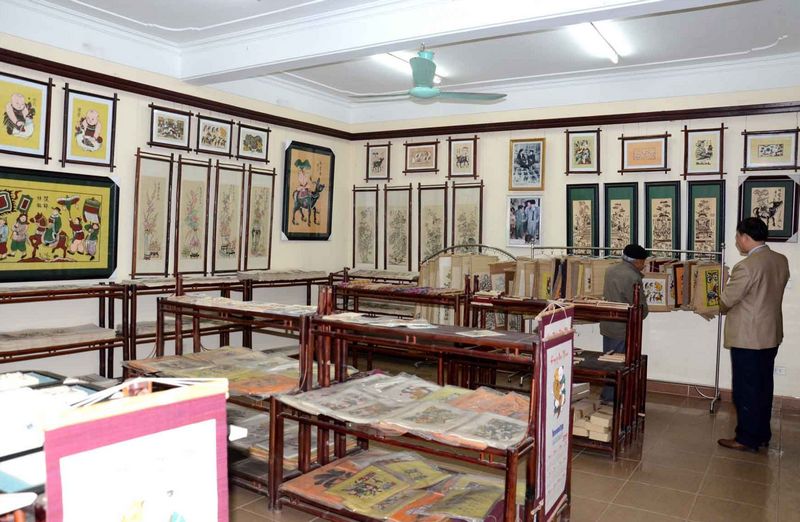
Dong Ho Painting Village in Bac Ninh is the cradle of the famous folk painting genre. The paintings are printed from carved wooden blocks, using natural colors from various plants and minerals.
Dong Ho paintings often reflect rural life, customs, and traditional moral values. This is also one of the distinctive cultural symbols of the Kinh Bac region.
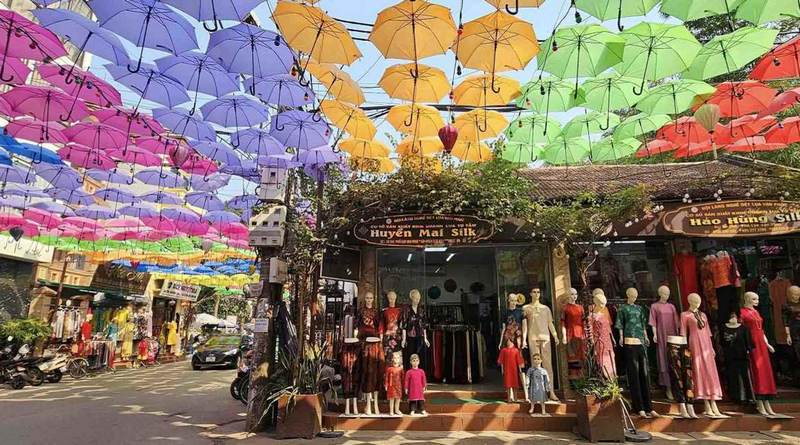
Van Phuc Silk Village (Ha Dong, Hanoi) is famous for its silk weaving craft. The soft, light silk fabrics with intricate patterns were once used in royal costumes in ancient times.
Today, Van Phuc silk still maintains its position in the traditional textile industry. Visitors can witness the traditional silk weaving process and learn about the long history of the craft.
Thanh Ha Pottery Village is located near the ancient town of Hoi An, and is a famous pottery village in Central Vietnam. Unlike Bat Trang pottery, the products here have a rustic style, close to rural life.
The clay in the locality is extracted from the Thu Bon River, creating a distinctive color for products such as jars, vases, or decorative items.
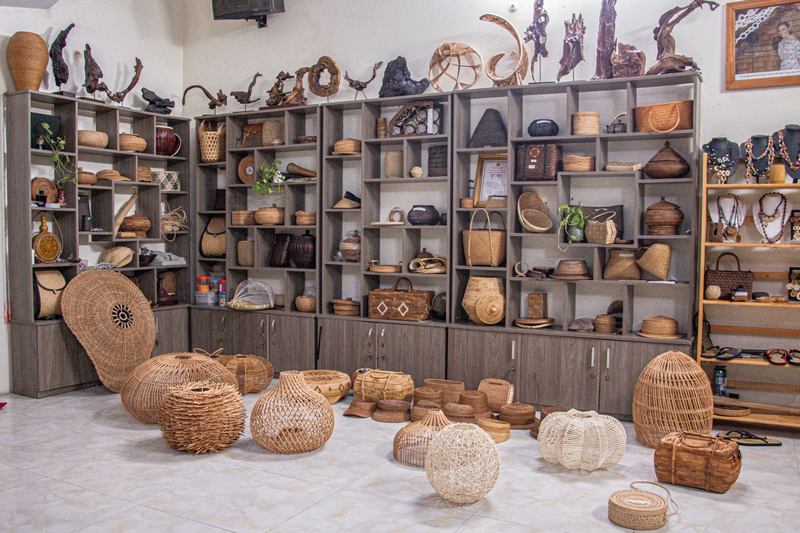
Phu Vinh Bamboo and Rattan Weaving Village in Chuong My District (Hanoi) is famous for its handmade products from bamboo, rattan, and sedge. Baskets, trays, tables, chairs, or decorative items are created entirely by hand, requiring meticulousness and high skill. Currently, many products from Phu Vinh village have been exported to international markets thanks to their sophisticated designs and environmental friendliness.
Traditional craft villages not only carry cultural significance but also make a significant contribution to the rural economy. Many localities have developed craft villages as an important economic sector, providing jobs for millions of workers.
In addition, handicraft products from craft villages have also become valuable export items, contributing to promoting Vietnam's image to the world.
A prominent trend in recent years is the combination of craft villages with experiential tourism. Tourists not only visit but also directly participate in the process of pottery making, fabric weaving, or weaving. This helps craft villages gain additional income and creates opportunities to preserve traditional values.
Traditional craft villages in Vietnam not only help preserve long-standing cultural values but also create distinctive features for local tourism and economy. Each craft village, each product reflects the skill, creativity, and spirit of preserving the craft of many generations of Vietnamese people. If you want to explore these cultural beauties more deeply through real experiential journeys, please refer to tours and travel information at https://nvktravel.com/ to start your journey exploring traditional craft villages across Vietnam.
Fill out the form and we will contact you